


Trump’s Capture of Maduro Delivers Serious Blow to Iran’s Influence
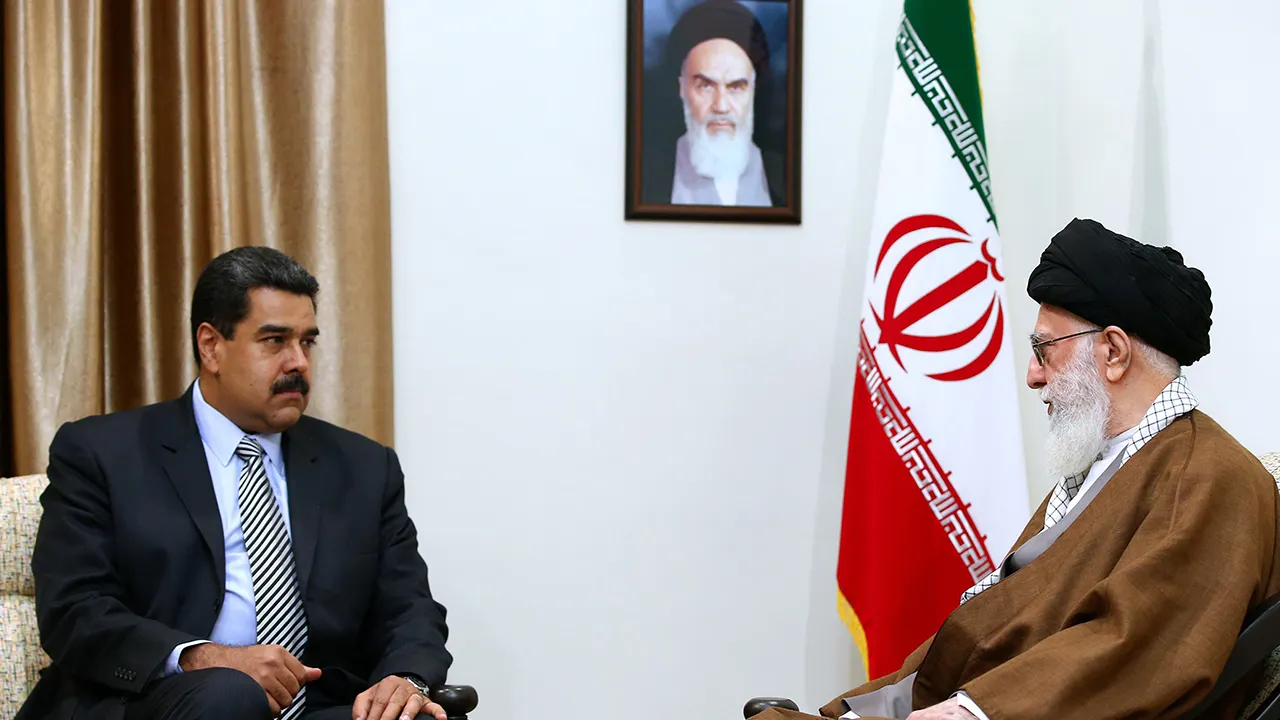
In a decisive military operation, the Trump administration successfully captured Venezuelan President Nicolás Maduro, dealing what experts describe as a significant setback to one of Venezuela’s strongest allies: the Islamic Republic of Iran. As anti-regime protests continue to spread across Iran, the capture of Maduro represents more than just a change in Venezuelan leadership—it signals a potential reshaping of geopolitical alliances in the Western Hemisphere and beyond. Jason Brodsky, policy director at United Against Nuclear Iran, notes that “Maduro’s capture will be a blow to Iran’s interests in the Western Hemisphere as he was a longtime ally of Tehran under the banner of anti-imperialism and Americanism in the region.” The impact of this development extends far beyond Venezuela’s borders, threatening to disrupt Iran’s carefully cultivated network of influence in Latin America.
The Venezuela-Iran relationship has been more than just diplomatic—it has served as a critical operational hub for various activities beneficial to the Iranian regime. Under Maduro’s leadership, Venezuela provided Iran and Hezbollah with a strategic foothold in the Western Hemisphere, facilitating terrorism, drug trafficking, and power projection throughout Latin and South America. The military partnership between the two nations had grown increasingly significant, particularly in the area of drone technology. This alliance offered Iran a way to extend its influence and circumvent international sanctions. The capture of Maduro now places this entire operational infrastructure at risk, depending on who takes power next in Caracas. This follows another recent setback for Iran in the region: Bolivia’s election of a center-right leader who promptly reestablished relations with Israel, further weakening Tehran’s position in South America.
The dramatic capture operation itself sends a powerful message about American resolve that extends well beyond Venezuela. Brodsky emphasizes that “This will be a strike heard around the world. Iran’s regime will be watching it very closely as President Trump threatened the supreme leader during the 12-Day War.” The successful operation enhances the perception of President Trump as “unpredictable and risk-ready,” a quality that “inspires fear in U.S. adversaries and bolsters the credibility of the threat of American military force.” In effect, the capture strengthens U.S. deterrence globally by demonstrating a willingness to take decisive action against hostile regimes. Iran’s immediate reaction reflected its concern, with the Foreign Ministry releasing a statement strongly condemning “the American military attack on Venezuela and the flagrant violation of the national sovereignty and territorial integrity of the country.”
The psychological impact on the Iranian regime and its opponents should not be underestimated. According to British-Iranian expert Potkin Azarmehr, “Every fall of a dictator who is allied with the Ayatollahs is both a boost to the morale of the people in Iran and a setback for the ruling mullahs.” The timing is particularly significant as Iran faces growing internal unrest, with anti-regime protests gaining momentum across the country. The capture of Maduro provides demonstrators with tangible evidence that authoritarian regimes allied with Iran are vulnerable, potentially fueling further opposition to the Iranian government. Protesters can now point to the fall of yet another Iranian ally as evidence that the regime’s international position is weakening, possibly emboldening those seeking change within Iran itself.
The capture represents the latest in a series of significant blows to Iran’s international network of allies and proxies. Azarmehr notes that “The Islamic Republic saw its ‘axis of resistance’ fall apart in the region. Now it’s witnessing its partner in crime further away toppled.” This “axis of resistance”—once a powerful alliance between Iran, Syria under Bashar al-Assad, and Lebanon’s Hezbollah—has been substantially weakened in recent years. The Assad regime in Syria has been effectively neutralized as a regional power, while Hezbollah in Lebanon has seen its capabilities significantly diminished. Maduro’s capture now eliminates another key ally, further isolating Iran on the international stage and potentially restricting its ability to project power beyond the Middle East. These developments may have serious implications for Iran’s revenue streams and resources, particularly as international sanctions continue to pressure the regime economically.
The potential fallout within Iran’s leadership structure could be significant as the regime confronts this latest setback. Azarmehr suggests that “Many of the ruling officials must now be tempted to defect before it’s too late,” hinting at the possibility of fractures within Iran’s power structure as officials assess their future prospects. The combination of internal protests, weakened international alliances, and demonstrated American willingness to take direct action against hostile regimes creates a precarious situation for Iran’s leadership. The capture operation serves as a powerful reminder that the strategic landscape is shifting rapidly, and regimes that have relied on anti-American alliances for support may find themselves increasingly vulnerable. As the situation continues to develop, the full implications of Maduro’s capture for Iran and its remaining international allies remain to be seen, but the immediate impact represents a clear victory for American interests and a corresponding setback for Iran’s regional ambitions.