


Ole Miss Success Without Kiffin: A Story of Perseverance and Unexpected Bonuses
In a stunning display of resilience and skill, Ole Miss demonstrated they could thrive even after the departure of former head coach Lane Kiffin, defeating third-ranked Georgia 39-34 in the Sugar Bowl on Thursday night. Quarterback Trinidad Chambliss led the charge with an impressive 362 yards passing and two touchdowns, silencing doubters who questioned the team’s ability to perform without Kiffin at the helm. “A lot of people did doubt us before the season and they still doubted us when our coach left,” Chambliss reflected after the game, highlighting the team’s determination. “We just want to play ball and have fun, and I think that’s showing right now.” The victory wasn’t just a testament to Ole Miss’s talent and adaptability, but also a powerful statement about the program’s strength beyond any single coach’s influence.
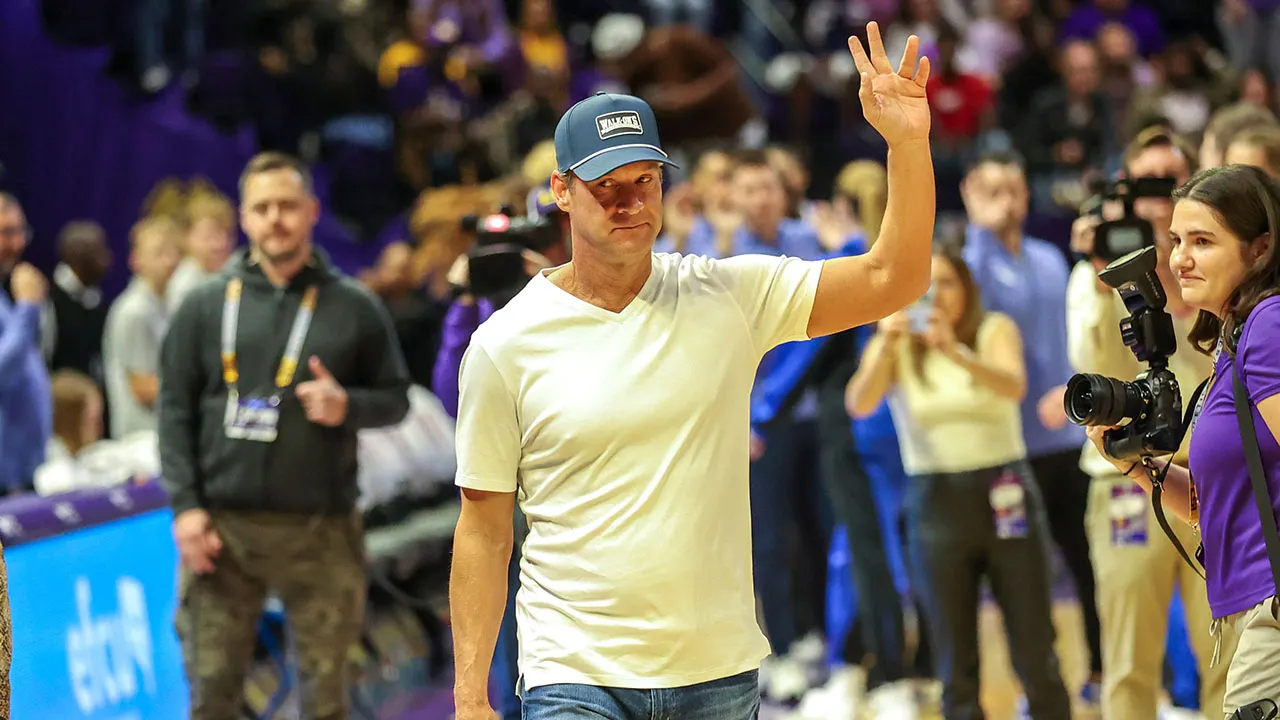
While Kiffin has moved on to LSU, his connection to his former team remains evident, as demonstrated by his enthusiastic social media post following their win: “What a great finish!!! So much fun!! Only two more to go.” This public support for Ole Miss might seem purely sentimental, a coach proud of his former players’ accomplishments, but there’s more to the story than meets the eye. Kiffin’s continued interest in Ole Miss’s playoff journey isn’t solely about goodwill toward his former program—it also comes with substantial financial incentives that were built into his transition to LSU. The unique arrangement means Kiffin stands to benefit financially from his former team’s continued success, creating one of college football’s most unusual situations where a coach at one school has direct financial interests in another program’s playoff performance.
The financial details of Kiffin’s arrangement reveal just how significant these stakes are. As part of LSU’s deal to bring Kiffin aboard, the university agreed to honor the bonus structure from his Ole Miss contract. This meant Kiffin received $150,000 when Ole Miss qualified for the playoffs, which increased to $250,000 after their first-round victory over Tulane. Thursday’s Sugar Bowl triumph over Georgia further sweetened the pot, elevating his bonus to $500,000. Should Ole Miss continue their winning ways by defeating Miami in the semifinals, Kiffin would collect $750,000, with an ultimate payday of $1 million if his former team captures the national championship. This progressive bonus structure creates a remarkable situation where one of the most prominent coaches in the SEC has clear financial motivation to root for a team he no longer coaches.
The unusual dynamic highlights the complex relationships and financial arrangements that have become increasingly common in college football’s high-stakes environment. While coaches changing programs has always been part of the sport, the specific terms of Kiffin’s departure and ongoing compensation structure reflect the evolving nature of coaching contracts in an era of expanded playoffs and larger financial stakes. For Ole Miss players and fans, however, the focus remains squarely on their own remarkable journey, one that has seen them overcome not just tough opponents but also the potential disruption of losing their head coach. Their success demonstrates the program’s solid foundation and the players’ commitment to excellence regardless of who occupies the top coaching position.
The Sugar Bowl victory stands as a defining moment for Ole Miss football, proving that the program’s success wasn’t solely dependent on Kiffin’s presence. For Chambliss and his teammates, the win validates their talent and determination in the face of widespread skepticism. The quarterback’s postgame comments reflect a team playing with freedom and joy—qualities that often translate to success on the field. As Ole Miss advances deeper into the playoffs, they’ve transformed from a team that many expected to stumble without their former coach into legitimate championship contenders, writing their own compelling chapter in college football history.
As the Rebels prepare for their semifinal matchup against Miami, they do so with growing confidence and national respect. The narrative surrounding the team has shifted dramatically from questioning how they would cope without Kiffin to wondering if they might actually win it all. Meanwhile, their former coach watches from afar with genuine pride in their accomplishments—and an undeniable financial interest in their continued success. This unusual situation creates one of college football’s most intriguing subplots: a coach at one powerhouse program with a million reasons to cheer for another. For Ole Miss, however, the motivation is much simpler: proving that their program stands on its own merits and continuing their quest for a national championship that would represent the culmination of their remarkable journey.