


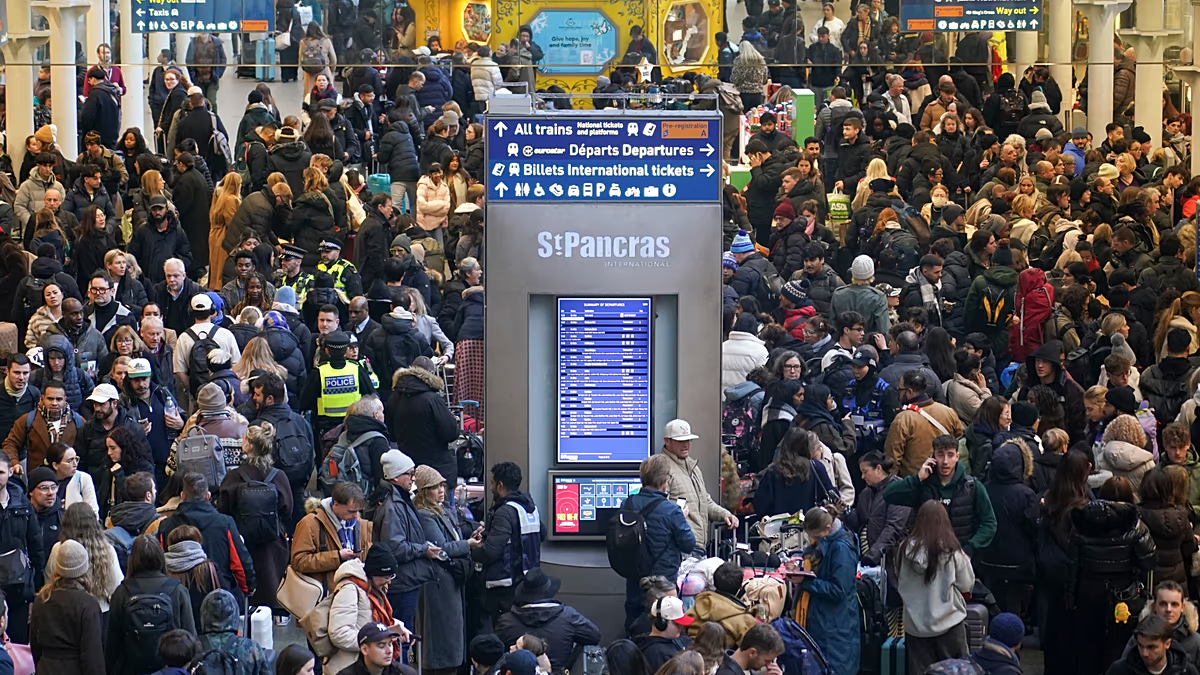
Eurostar Passengers Share Struggles as Channel Tunnel Issues Disrupt Holiday Travel
A power supply problem in the Channel Tunnel left countless Eurostar passengers stranded and frustrated on Tuesday, upending New Year holiday plans during one of the busiest travel periods of the year. The disruption, which began overnight Monday, affected rail traffic in both directions, leaving travelers scrambling for alternative arrangements and emotional as family reunions and romantic getaways were suddenly thrown into disarray. Eurotunnel, the tunnel’s operator, indicated that service would gradually resume Tuesday afternoon, but for many travelers, the damage to their holiday plans was already done.
At Paris’ Gare du Nord station, the scene was one of disappointment and anxiety as travelers like Jamie and Issy Gill faced the prospect of complicated journeys home. The young couple had enjoyed a brief escape to Paris to celebrate Issy’s 30th birthday—their first trip away from their one-year-old son, who was being cared for by grandparents back in the UK. What should have been a simple return journey became an emotional ordeal when their Eurostar train was canceled. “I’m going to get upset,” Issy said, wiping away tears as she explained their situation. The couple was forced to book a roundabout flight via Birmingham the following day, extending their separation from their baby boy and adding unnecessary stress to what had been a special celebration.
The human cost of the transportation disruption was equally evident in London, where John Paul and his partner Lucy saw their romantic Paris getaway vanish before their eyes. Their early morning Eurostar train had made it only about 40 minutes into the journey before coming to a halt due to issues with a train ahead of them. What should have been a memorable trip featuring a Seine river cruise and a visit to the Eiffel Tower instead became a frustrating exercise in patience and disappointment. “There’s no clear information and, obviously, we’ve lost a lot of money, haven’t we?” lamented Paul. The 46-year-old summed up their situation with resigned humor: “We’ll have to put romance on hold for a while.”
For many travelers, the lack of clear communication compounded the frustration of the service disruption. Passengers reported receiving contradictory or vague information, with announcements about a train with brake issues ahead while they waited hopefully for resolution. The uncertainty left people unable to make informed decisions about alternative travel plans, while watching their carefully arranged holiday itineraries—many involving non-refundable bookings at hotels and attractions—slowly unravel. The situation highlights how deeply transportation infrastructure impacts not just physical movement between places but the emotional experiences tied to special occasions and family connections.
The technical explanation for the disruption was relatively straightforward: Eurotunnel reported that power supply problems had affected part of the tunnel, impacting both passenger services and vehicle transport by rail in both directions. However, for those stranded in Paris hoping to return to loved ones, or those in London whose anticipated French holiday experiences were suddenly canceled, the technical details offered little comfort. Instead, they faced the practical realities of finding alternative routes, absorbing financial losses, and managing the emotional disappointment that comes with disrupted plans.
As service gradually resumed Tuesday afternoon, the incident served as a reminder of the vulnerability of international travel infrastructure and the profound ripple effects when systems falter. For the Gills, what should have been a joyous reunion with their baby turned into an extended separation and a complicated journey home. For John Paul and Lucy, their romantic Paris experience was reduced to a brief train ride to nowhere and back. These personal stories reflect the larger reality that transportation disruptions are never just about delayed trains or technical problems—they represent missed moments, altered memories, and emotional journeys that diverge sharply from what travelers had envisioned when they first planned their trips across the Channel.