


A Culinary Roller Coaster: Reflecting on the Dynamic Food Scene of 2025
The past year has been one that food enthusiasts will remember for generations—an unpredictable mix of the exhilarating, the bizarre, and occasionally the disheartening. Despite economic fluctuations, the restaurant industry maintained remarkable resilience, with confident entrepreneurs launching new venues at a dizzying pace. What emerged most clearly was the growing divide between restaurant giants and independent establishments. Major players like Quality Branded, Avra Group, and Mercer Street Hospitality Group expanded their empires with ventures such as Limusina on Ninth Avenue, a new Greek seafood colossus at the Moynihan building, and Seahorse in Union Square respectively. Even culinary legend Jean-Georges Vongerichten made strategic moves, bringing his beloved ABC Kitchen concept to Brooklyn for the first time. These powerhouse companies demonstrated that with sufficient capital and brand recognition, expansion remained not just possible but profitable in an increasingly competitive landscape.
While the restaurant conglomerates flourished, many smaller independent establishments faced a more challenging reality. Brooklyn’s dining scene mourned the loss of neighborhood favorites Colonie and Fette Sau, institutions that had helped define the borough’s culinary identity for years. Even Lodi at Rockefeller Center—a relatively recent addition to the scene—closed its doors after just a brief run, highlighting the precarious nature of even well-reviewed restaurants in prime locations. These closures reflected the harsh economic realities facing small business owners who lack the financial cushion and operational scale of their corporate counterparts. Meanwhile, diners increasingly frustrated with the common complaints of deafening noise levels and uncomfortable seating arrangements found refuge in two emerging alternatives: exclusive private clubs like Margaux (for those fortunate enough to secure membership) and a new breed of public restaurants such as Corner Store and The Eighty Six, where reservations were so notoriously difficult to secure that they functioned as de facto private establishments. This shift signaled a growing consumer demand for dining experiences that prioritized comfort and exclusivity over trendy cacophony.
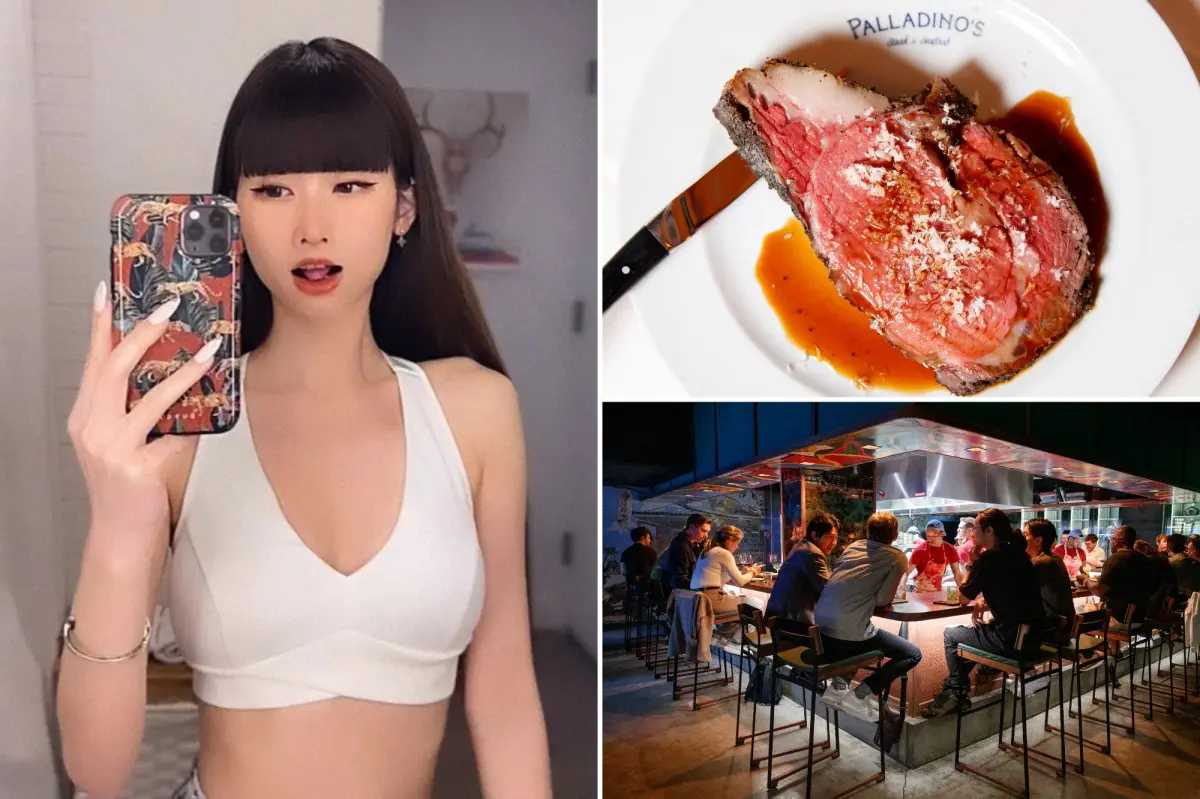
The year witnessed the troubling evolution of “influencer culture” from occasional annoyance to genuine industry menace. The most flagrant example came from Taiwanese-born Pei Chung, who allegedly impersonated an influencer to execute dine-and-dash schemes at more than a dozen Brooklyn restaurants before finally facing arrest and eviction from her Williamsburg apartment. Yet what made Chung’s case remarkable wasn’t her methods but merely their brazenness compared to more sophisticated operators. Countless social media personalities with questionable follower counts routinely leveraged implicit threats of negative coverage to extort complimentary luxury items—from caviar and foie gras to vintage Champagne—from restaurants desperate to avoid online backlash. This phenomenon exposed an uncomfortable truth about modern restaurant criticism: individuals with no culinary expertise beyond personal preference now wield more influence over a restaurant’s fate than professional critics who have devoted careers to understanding food traditions and techniques. The democratization of food criticism through social media has created a system where expertise is often valued less than follower count, fundamentally altering the relationship between restaurants and their reviewers.
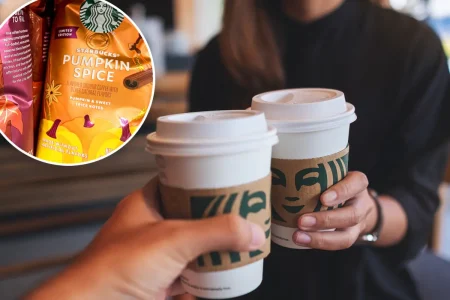
The culinary landscape of 2025 revealed fascinating shifts in dining preferences and philosophy. After years of holding steadfast to its plant-based principles (and three Michelin stars), Eleven Madison Park finally reintroduced meat to its menu last summer—a pragmatic concession after losing high-value private events to clients unwilling to pay premium prices for exclusively vegetable-focused cuisine. This retreat from strict veganism coincided with a remarkable resurgence of steakhouses, suggesting that environmental and health concerns had taken a backseat to traditional indulgences. The year’s most celebrated openings included Palladino’s at Grand Central, the reservation-impossible Eighty Six, and Cuerno with its Mexican-influenced approach to beef. Meanwhile, Starbucks demonstrated how not to address operational challenges when, faced with declining sales due to long wait times, executives implemented a baffling mandate requiring baristas to write personalized messages on every cup—effectively making wait times even longer and customer frustration more acute.
Despite these industry upheavals, 2025 delivered extraordinary culinary triumphs that reminded diners why New York remains a global food capital. Seahorse on Union Square emerged as a standout under chef John Villa, whose mastery extended from seafood specialties to refined land-based offerings like an exceptional duck à l’orange, all presented in a stunning David Rockwell-designed space. The Upper East Side welcomed the southern-influenced Marlow East, whose two-level layout and warm hospitality made an immediate neighborhood impact. Meanwhile, Paul Carmichael breathed new life into the Momofuku empire with Kabawa, where vibrant Caribbean flavors revitalized a brand in need of fresh inspiration. In one of the year’s most fascinating transitions, the hallowed space that once housed La Grenouille underwent an unlikely transformation into iDen & Quanjude Beijing Duck House. The new Chinese ownership made the inspired decision to preserve the legendary French restaurant’s iconic décor—the crimson banquettes, gold fabric walls, and beveled mirrors remain intact—creating a surreal but enchanting setting where tableside duck carving has replaced the traditional fish deboning ritual.
The Michelin Guide delivered some of 2025’s most dramatic moments, upending long-established hierarchies in the city’s fine dining scene. After fifteen years with three coveted stars, sushi sanctuary Masa experienced the rare indignity of a downgrade, losing one of its stars in a development that sent shockwaves through the culinary community—particularly given that meals there regularly exceed $1,000 per person. Meanwhile, relative newcomer Sushi Sho, which only established its New York presence the previous year, leapfrogged into the three-star echelon, suggesting a changing of the guard in the city’s ultra-premium Japanese dining category. On a more heartwarming note, Babbo—once the flagship of the disgraced Mario Batali empire—experienced a triumphant resurrection under new owner Stephen Starr and returning chef Mark Ladner. The revamped restaurant managed the delicate balance of honoring the original’s beloved qualities while implementing necessary changes, including a more accessible menu and an elegantly redesigned second floor that helped exorcise the shadow of its controversial founder. Perhaps most charmingly, amid all the high-end culinary developments, 2025 saw the humble peanut butter and jelly sandwich elevated to art form at Hani’s Bakery & Cafe, where husband-and-wife team Miro Uskokovic (formerly Gramercy Tavern’s pastry chef) and Shilpa Uskokovic (a Bon Appetit senior food editor) created an open-faced version using freshly ground peanuts and local raspberry jam that reviewers described as nothing short of life-changing.