



Wellness Trends to Leave Behind in the New Year
As we bid farewell to another year, it’s time to reflect on some of the wellness trends that captured our attention—for better or worse. While we all enjoy discovering new paths to better health, not every viral sensation deserves a place in our wellness routines moving forward. Medical professionals have raised significant concerns about several popular trends that swept across social media platforms this year, suggesting they might be doing more harm than good. From celebrity-endorsed parasite cleanses to questionable sleep hacks, let’s examine the wellness trends that experts hope will stay in the past as we enter the new year with a more informed approach to health.
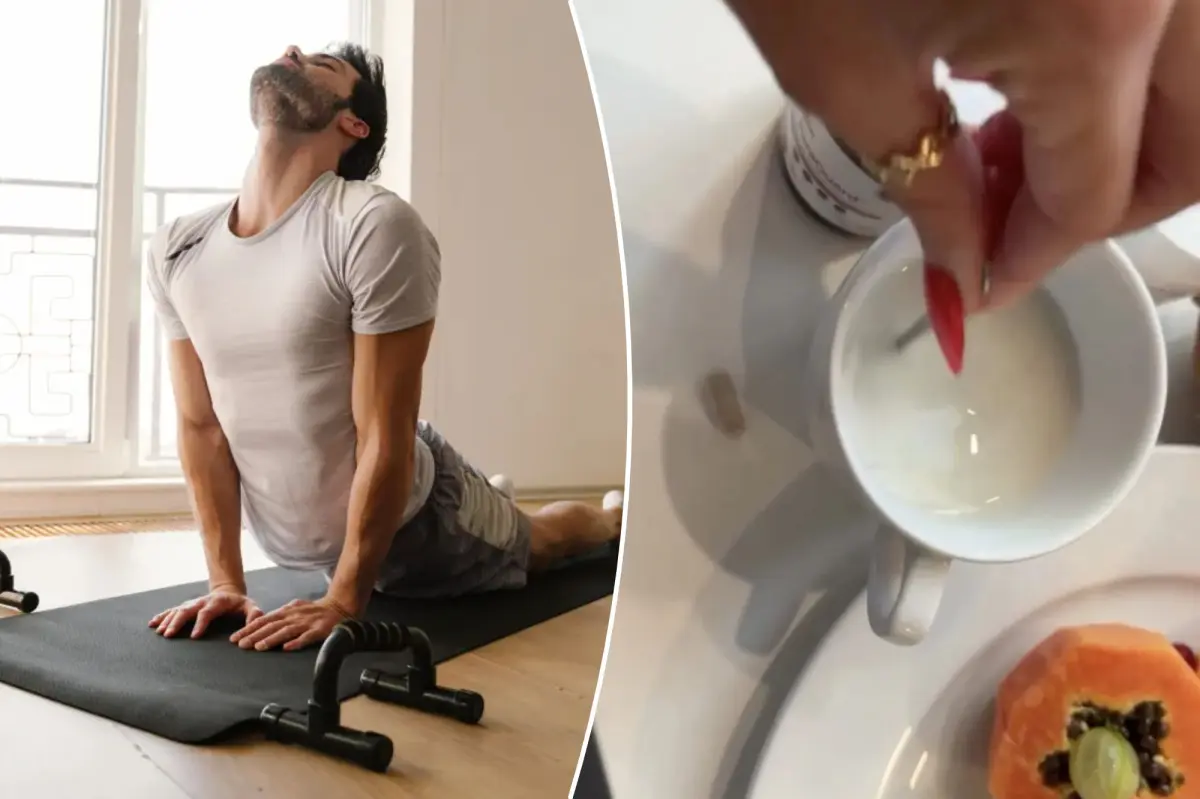
The parasite cleanse trend gained momentum after supermodel Heidi Klum shared her experience with a “deworming” regimen in August. Klum, 52, told the Wall Street Journal she was trying it for the first time, stating, “I heard that you’re supposed to do this once a year, and I’ve never done it.” Her claim that “we all have parasites and worms” especially if we consume raw foods like sushi, along with her endorsement of ingredients like clove and papaya seeds, sparked interest among her followers. However, medical professionals strongly caution against following this trend. Dr. David Purow, a gastroenterologist at Huntington Hospital, emphasized that “There are no clear, proven benefits to these cleanses,” refuting Klum’s claim that everyone harbors parasites as part of their microbiome. Dr. Wendi LeBrett added that these cleanses are “not necessary and potentially harmful,” noting that marketed parasite cleanses lack sufficient evidence of effectiveness while carrying risks of kidney or liver injury. The medical consensus is clear: if you suspect a parasitic infection, consult a healthcare provider rather than self-administering an unproven cleanse.
The protein obsession has reached unprecedented levels, with manufacturers adding protein to virtually everything—from popcorn to peanut butter (which naturally contains protein already) to Pop-Tarts, Doritos, and even water. Celebrities like Olympian Ilona Maher and entrepreneur Bethenny Frankel have criticized this trend, with Frankel describing it as “an out-of-control fad that everyday people are fixated on as if they’re training for the Olympics.” She added, “It’s another marketing gimmick like keto or carnivore or low carb or all the absurd fads I’ve witnessed over the years. Balance is key.” Nutrition experts share these concerns. Registered dietitian Sotiria Everett warns that protein-enhanced products shouldn’t replace meals containing fruits, vegetables, and whole grains, which offer essential fiber and nutrients often absent in these products. Moreover, excessive protein consumption can damage arteries and increase heart disease risk. The recommended daily intake is just 0.36 grams per pound of body weight—for a 150-pound person, that’s only 54 grams, equivalent to a large chicken breast and two eggs. The message is clear: most people don’t need the extra protein found in these trendy, often expensive products.
“Fibermaxxing” represents another case of taking a healthy recommendation to unhealthy extremes. While fiber offers numerous health benefits—reducing risks of constipation, hemorrhoids, diverticular disease, and even colon cancer—social media has transformed moderate fiber consumption into an excessive practice. Maura Donovan, a registered dietitian, explains that many people are “overindulging in fiber for weight and diet management, as well as reducing inflammation in the body.” The problem arises when someone rapidly increases their fiber intake, which can trigger uncomfortable gastrointestinal symptoms including gas, bloating, and cramping. Beyond discomfort, excessive fiber can interfere with the body’s absorption of essential minerals like iron, calcium, and zinc. Instead of extreme approaches, nutritionists recommend following established guidelines: about 25 grams of fiber daily for women and 38 grams for men (slightly less for those over 50). This moderate approach allows you to gain fiber’s benefits without suffering its potential drawbacks when consumed to excess.
Mouth taping—applying tape to keep your mouth closed during sleep—persisted as a controversial trend despite repeated warnings from medical professionals. Celebrities like Gwyneth Paltrow, Ashley Graham, and Jimmy Fallon, along with various social media influencers, have endorsed this practice, claiming it promotes nasal breathing that can improve sleep quality, reduce snoring, freshen morning breath, enhance oral health, and even define the jawline. However, medical experts strongly disagree with both the claimed benefits and the safety of this approach. Canadian ENT surgeon Dr. Brian Rotenberg stated that “The general concept of mouth taping, from a scientific and biological perspective, doesn’t make a lot of sense.” More concerning is the risk of asphyxiation if your nose becomes blocked while your mouth is taped shut. This danger is particularly alarming for people with undiagnosed sleep apnea, as mouth taping could potentially worsen their condition rather than improve it.
As we move into the new year, the message from healthcare professionals is consistent across all these trends: seek evidence-based approaches to wellness rather than following viral sensations. Dr. Rotenberg summed it up perfectly when he said, “Don’t take the advice of a social media influencer or celebrities you might like.” While nasal breathing and adequate fiber and protein consumption are worthwhile goals, extreme measures promoted on social media platforms often lack scientific backing and may carry unexpected risks. The healthiest approach to wellness involves balance, moderation, and consultation with qualified healthcare professionals when needed. By leaving behind these questionable trends and embracing evidence-based health practices, we can work toward genuine improvements in our wellbeing rather than chasing the next viral sensation that promises quick fixes without scientific foundation. Let this new year be one of informed health choices based on sound medical advice rather than fleeting social media crazes.