


Trump and Netanyahu Set for Crucial Mar-a-Lago Meeting Amid Regional Tensions
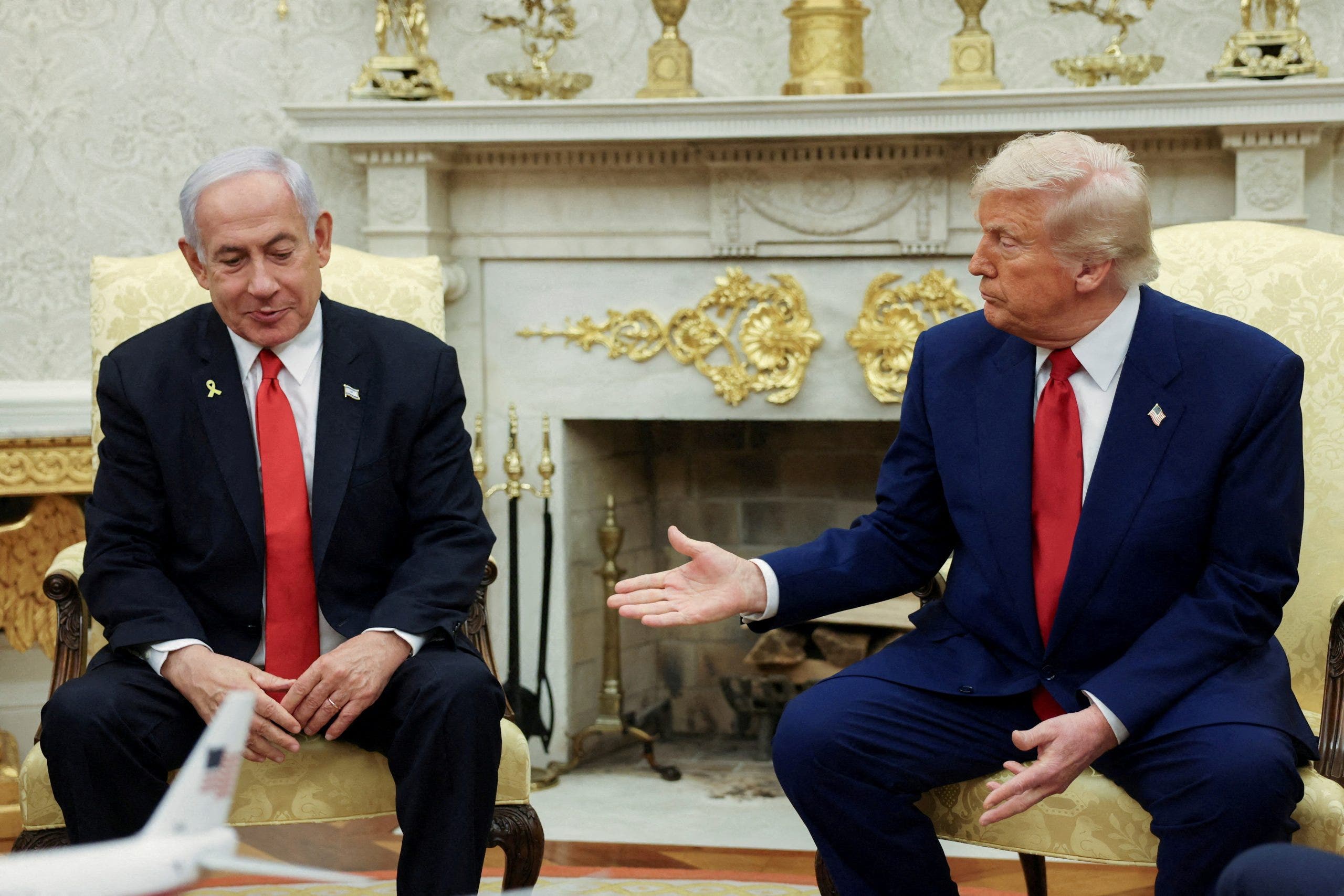
President Donald Trump and Israeli Prime Minister Benjamin Netanyahu are scheduled to meet at Mar-a-Lago on Monday, with high-stakes discussions centered on Iran’s growing threats and advancing the Gaza peace plan. The meeting comes at a critical juncture as Israel confronts multiple security challenges on different fronts, while Trump is eager to see tangible progress on his Middle East initiatives. Before his presidential engagement, Netanyahu will confer with Secretary of State Marco Rubio, setting the stage for what many analysts consider a pivotal diplomatic exchange between the longstanding allies.
Dr. Dan Diker, president of the Jerusalem Center for Security and Foreign Affairs, suggests that Trump has likely been pressing Netanyahu for quicker implementation of the peace plan, reflecting the President’s business background and impatience with the region’s protracted timelines. “The problem is that Hamas knows all it needs to do is survive and continue controlling western Gaza while attacking Israel from its tunnel network,” Diker explained. This strategy effectively creates tension in the U.S.-Israel relationship, as Hamas simply needs to endure rather than win outright. Netanyahu’s primary objectives during this visit appear twofold: convincing Trump of the severity of threats from Iran, Hezbollah, and Hamas, while seeking approval for Israel to take whatever measures it deems necessary to completely defeat Hamas and secure its borders.
Former Israeli Prime Minister Yair Lapid emphasized the importance of coordination with Trump, particularly regarding “stage two in Gaza.” Lapid stressed that Israel needs to achieve Hamas disarmament and remove threats from Gaza, which requires fully implementing the President’s plan. The current deadlock poses significant challenges, as Israel insists on complete demilitarization before withdrawal, while Hamas continues operating from tunnel networks beneath Gaza. Israeli Minister Orit Strook took an even firmer position, warning that “The IDF will not withdraw even one meter, and no rehabilitation framework will be established until full demilitarization is completed.” She characterized any compromise on this principle as “a failure of the peace plan, a failure for Trump himself, and a failure for us.”
Reports indicate Netanyahu will present Trump with plans for a potential strike against Iran’s military infrastructure, particularly targeting its missile program. This comes amid heightened tensions following an Iranian Revolutionary Guard Corps missile drill that Israeli intelligence suggests could be preparation for an attack. Israel has maintained heightened military readiness, even as U.S. intelligence assessments indicate no immediate threat. Dr. Meir Javedanfar, a Middle East expert from Reichman University, believes Israel’s strategy includes striking Iran’s missile capabilities with the additional aim of undermining the legitimacy of Iran’s supreme leader and creating political instability within the country. The timing of such discussions is particularly significant given Iranian President Masoud Pezeshkian’s recent declaration that his country is engaged in what he described as “total war” with the United States, Israel, and Europe.
Trump is expected to soon unveil the second stage of his Gaza framework, despite complications including Hamas’s refusal to return the remains of an Israeli police officer killed during the October 7, 2023 attack. This reflects the President’s determination to advance his peace initiative regardless of Hamas’s intransigence on certain conditions. The negotiations underscore the complex balancing act facing both leaders: Trump seeks visible progress on his Middle East peace efforts as part of his broader foreign policy agenda, while Netanyahu must demonstrate resolve against Israel’s enemies while maintaining crucial U.S. support. The outcome of these discussions will likely shape not only bilateral relations but also the broader trajectory of Middle East stability in the coming months.
The Mar-a-Lago meeting represents more than just diplomatic consultation—it’s a pivotal moment for both countries’ strategic interests in a volatile region. Trump’s approach reflects his characteristic impatience with traditional diplomatic timelines and preference for concrete results, while Netanyahu arrives under immense domestic pressure to achieve decisive security outcomes. As Gaza’s humanitarian situation deteriorates and Iran’s regional provocations increase, the decisions made during this meeting will reverberate across the Middle East. Both leaders understand the stakes: finding a path that addresses Israel’s security imperatives while creating conditions for regional stability that align with American interests. How they navigate these challenges could define not only their personal legacies but also the future of American-Israeli cooperation in confronting shared adversaries.