




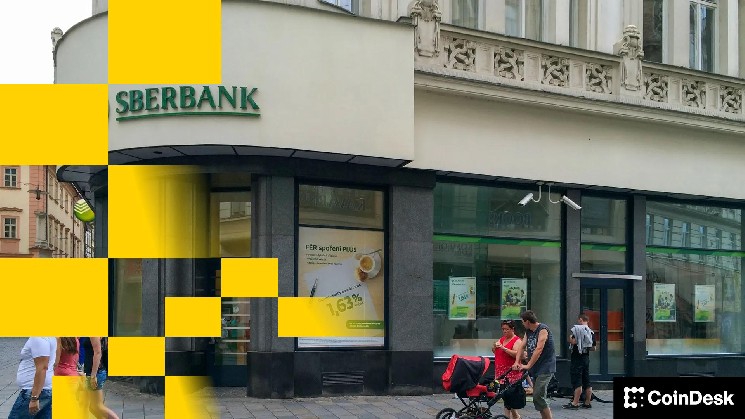
Russian Banking Giant Sberbank Makes History with First Bitcoin-Backed Loan to Mining Firm
Pioneering Financial Move Signals Broader Cryptocurrency Integration in Russian Banking Sector
In a groundbreaking development that signals a significant shift in Russia’s approach to digital assets, Sberbank, the nation’s second-largest financial institution, has issued the country’s first-ever bitcoin-backed loan. The recipient, Intelion Data, stands among Russia’s most prominent bitcoin mining operations, with both parties characterizing the transaction as a pilot initiative that could pave the way for similar arrangements in the future.
“We believe this product will be relevant not only for cryptocurrency miners, but also for companies that own cryptocurrencies,” Sberbank officials stated in their announcement detailing the historic transaction. While maintaining confidentiality regarding the specific loan amount, the bank’s willingness to publicly discuss the arrangement suggests a strategic positioning within the emerging cryptocurrency-backed lending market. This move comes at a time when traditional financial institutions worldwide are cautiously exploring various methods of engagement with digital assets, from custody services to direct investment vehicles.
The innovative loan structure leverages Sberbank’s proprietary crypto custody solution, aptly named Rutoken, which securely holds the bitcoin assets serving as collateral throughout the loan term. “The loan was secured by digital currency mined by [Intelion Data]. This guarantees the assets’ safety during the loan period,” Sberbank explained, highlighting the technical infrastructure supporting this financial innovation. The implementation of an in-house custody solution demonstrates Sberbank’s comprehensive approach to cryptocurrency integration, suggesting substantial internal investment in blockchain capabilities rather than merely partnering with external service providers as many Western banks have done.
Mining Industry Implications and Market Maturation
The significance of this pioneering financial product extends beyond the specific transaction, potentially representing a watershed moment for Russia’s cryptocurrency mining sector. IntelionData CEO Timofey Semenov, speaking to RBC Crypto, characterized the loan as “an important practical example for the industry and an indicator that the market is reaching a new level.” Semenov further suggested that successful implementation of this model could lead to broader adoption throughout Russia’s mining industry, potentially addressing one of the sector’s persistent challenges: access to traditional capital while holding significant digital assets.
For Russia’s mining operations, which have expanded considerably despite regulatory uncertainty, access to collateralized lending against their bitcoin holdings could fundamentally transform their business models. Previously, many mining companies faced difficult choices between liquidating their mined assets to fund operational expenses or seeking capital through equity arrangements that diluted ownership. The introduction of bitcoin-backed loans offers a third path that allows these firms to maintain their cryptocurrency positions while accessing needed capital—potentially creating a more sustainable operational model during cryptocurrency market volatility.
Expanding Digital Asset Services at Sberbank
Anatoly Popov, Sberbank’s deputy chairman, revealed that this bitcoin-backed loan represents just one component of the bank’s broader digital asset strategy. According to Popov, Sberbank already provides clients with structured bonds and digital financial assets tied to investments in bitcoin, ether (currently valued at approximately $2,928.80), and diversified cryptocurrency baskets. This progressive product lineup indicates Sberbank’s comprehensive approach to incorporating blockchain-based assets into its traditional banking framework, positioning the institution at the forefront of Russia’s formal financial engagement with cryptocurrency markets.
Particularly noteworthy is Popov’s disclosure that Sberbank is actively testing decentralized finance (DeFi) instruments, suggesting an interest in the more innovative and potentially disruptive aspects of cryptocurrency beyond simple asset holding or collateralization. This exploration of DeFi, which typically operates without centralized intermediaries through automated smart contracts, represents an unusually forward-thinking approach for a major traditional banking institution. Popov also expressed support for the “gradual legalization of cryptocurrencies within the Russian legal framework,” indicating the bank’s strategic alignment with potential regulatory developments that would further normalize digital assets within the country’s financial system.
Regulatory Context and Future Implications
This pioneering loan emerges against a complex regulatory backdrop in Russia, where authorities have historically maintained ambivalent or restrictive positions toward cryptocurrencies while simultaneously recognizing their potential economic benefits. Sberbank’s initiative may indicate a softening of this stance, particularly given the bank’s close relationship with the Russian government. The transaction potentially signals broader regulatory accommodation of certain cryptocurrency activities, especially those that can be structured within existing financial frameworks and contribute to domestic economic development.
The pilot program’s success could catalyze similar offerings from other Russian financial institutions, potentially creating a competitive market for cryptocurrency-backed lending services. More broadly, this development may accelerate the integration of digital assets into Russia’s mainstream financial system, with implications for everything from monetary policy to international trade settlement. As global economies navigate an increasingly digital financial landscape, Sberbank’s willingness to embrace cryptocurrency collateralization suggests Russia’s financial sector is positioning itself to maintain relevance and competitive advantage in a rapidly evolving global economy where digital assets play an increasingly central role.
International Context and Market Position
Sberbank’s move places Russia among a select group of nations where traditional banking giants have begun actively engaging with cryptocurrency assets through lending mechanisms. While cryptocurrency-backed loans have existed in specialized markets and through crypto-native platforms for years, their adoption by major regulated banks represents a significant milestone in the normalization of digital assets. This development positions Russia alongside jurisdictions like Singapore, Switzerland, and certain U.S. states where regulatory frameworks have evolved to accommodate similar financial innovations.
The implications extend beyond Russia’s borders, potentially influencing international banking practices and regulatory approaches. As a major global financial institution embraces bitcoin collateralization, it creates precedent and operational models that may be studied and adapted by banks in other jurisdictions. For the global cryptocurrency ecosystem, Sberbank’s initiative represents another step toward mainstream financial integration—a process that continues to unfold unevenly across different regulatory environments but maintains clear directional momentum. Whether this development accelerates Russia’s broader engagement with global cryptocurrency markets or remains primarily focused on domestic applications will likely depend on both regulatory evolution and the success of this initial pilot, making Sberbank’s bitcoin-backed loan not merely a national first but potentially a globally significant case study in cryptocurrency banking integration.