


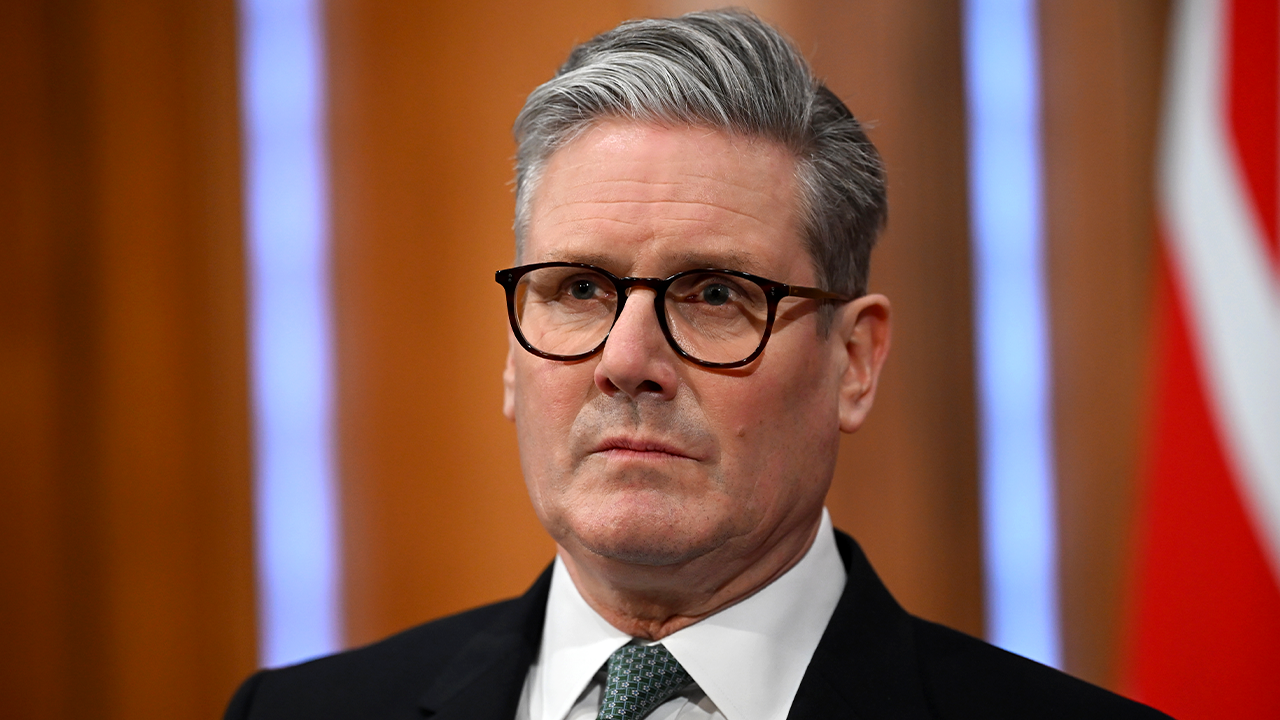
UK Prime Minister Faces Backlash Over Welcoming Controversial Activist
UK Prime Minister Keir Starmer has found himself embroiled in controversy after enthusiastically welcoming home Alaa Abd el-Fattah, a dual British-Egyptian citizen who recently returned to the UK following his release from Egyptian prison. While Starmer expressed delight at Abd el-Fattah’s reunion with his family, opposition figures quickly highlighted the activist’s problematic social media history, which allegedly included violent and antisemitic content. This has sparked a heated debate about government endorsements, freedom of expression, and the complex nature of international advocacy for detained citizens abroad.
The case of Abd el-Fattah represents the culmination of years of diplomatic efforts spanning multiple British administrations. Having spent nearly 14 of the past years incarcerated in Egypt, his release came after persistent pressure from the UK government, human rights organizations, and his family—particularly his 69-year-old mother, Laila Soueif, who undertook a grueling 10-month hunger strike to draw attention to her son’s plight. When Egyptian President Abdel-Fattah el-Sissi finally pardoned Abd el-Fattah in September, the activist remained under a travel ban until recently, finally returning to British soil last Friday. His family has consistently maintained that his imprisonment stemmed from his outspoken opposition to el-Sissi’s government rather than any criminal activity, positioning him as a political prisoner and champion of free speech.
The controversy erupted almost immediately upon Abd el-Fattah’s arrival at London’s Heathrow Airport, when critics began circulating his past social media posts that allegedly endorsed violence against Zionists and police. Robert Jenrick, the Shadow Secretary of State for Justice, led the criticism against Starmer, questioning whether the Prime Minister was aware of these troubling statements before offering what Jenrick called a “personal, public endorsement” of the activist. Conservative leader Kemi Badenoch and Reform UK leader Nigel Farage went further, calling for the revocation of Abd el-Fattah’s British citizenship and his deportation. This reaction highlights the tension between celebrating someone’s freedom from potentially unjust imprisonment and appearing to endorse all aspects of their personal views and past statements.
The UK government quickly moved to clarify its position, drawing a distinction between advocating for a citizen’s freedom and endorsing their personal views. The Foreign, Commonwealth and Development Office issued a statement condemning Abd el-Fattah’s “historic tweets” as “abhorrent” while emphasizing that securing his release had been “a long-standing priority” for governments of both major political parties. This careful distancing reflects the delicate balancing act faced by governments when advocating for citizens detained abroad—they must push for fair treatment and due process without necessarily supporting all of the individual’s past actions or statements. The clarification underscores the principle that freedom from arbitrary detention should be a universal right, regardless of one’s political views or past statements.
For his part, Abd el-Fattah has addressed the controversy by issuing an “unequivocal apology” for his past remarks, characterizing them as “expressions of a young man’s anger” during times of regional crisis and police brutality in Egypt. According to The Times of London, he has previously claimed the comments were taken out of context and were part of a “private conversation” during an Israeli offensive in Gaza. This response highlights the complexity of judging past statements, particularly those made during periods of heightened regional tension or personal duress. It also raises questions about how societies should evaluate personal growth, the context of controversial statements, and the possibility of genuine remorse and change.
This incident illuminates broader questions about political leadership, moral consistency, and the intersection of diplomatic advocacy with domestic politics. Prime Minister Starmer now faces the challenge of maintaining his government’s commitment to human rights advocacy while also responding to legitimate concerns about endorsing individuals with troubling past statements. The controversy demonstrates how quickly international human rights cases can become entangled with domestic political debates, particularly in an era where social media preserves past statements indefinitely. As the UK government navigates this situation, it must balance multiple considerations: supporting citizens detained abroad, maintaining moral clarity on issues of hate speech and violence, acknowledging the possibility of personal growth and redemption, and managing the political optics of its diplomatic efforts. This delicate balancing act reflects the complex moral and political landscape that modern leaders must navigate.