



Crime Stories That Defined 2025: A Year of Justice, Tragedy, and National Reckoning
In a year marked by shocking violence and high-profile court cases, 2025 brought criminal stories that captivated American attention and sparked national conversations about justice, politics, and societal divisions. From political assassinations to long-awaited resolutions in notorious murder cases, the stories that unfolded across the country reflected deeper tensions within American society while testing our legal system’s ability to deliver justice in complex and emotionally charged situations. As we reflect on these events, we’re reminded of both the fragility of human life and the enduring strength of our institutions when faced with tragedy.
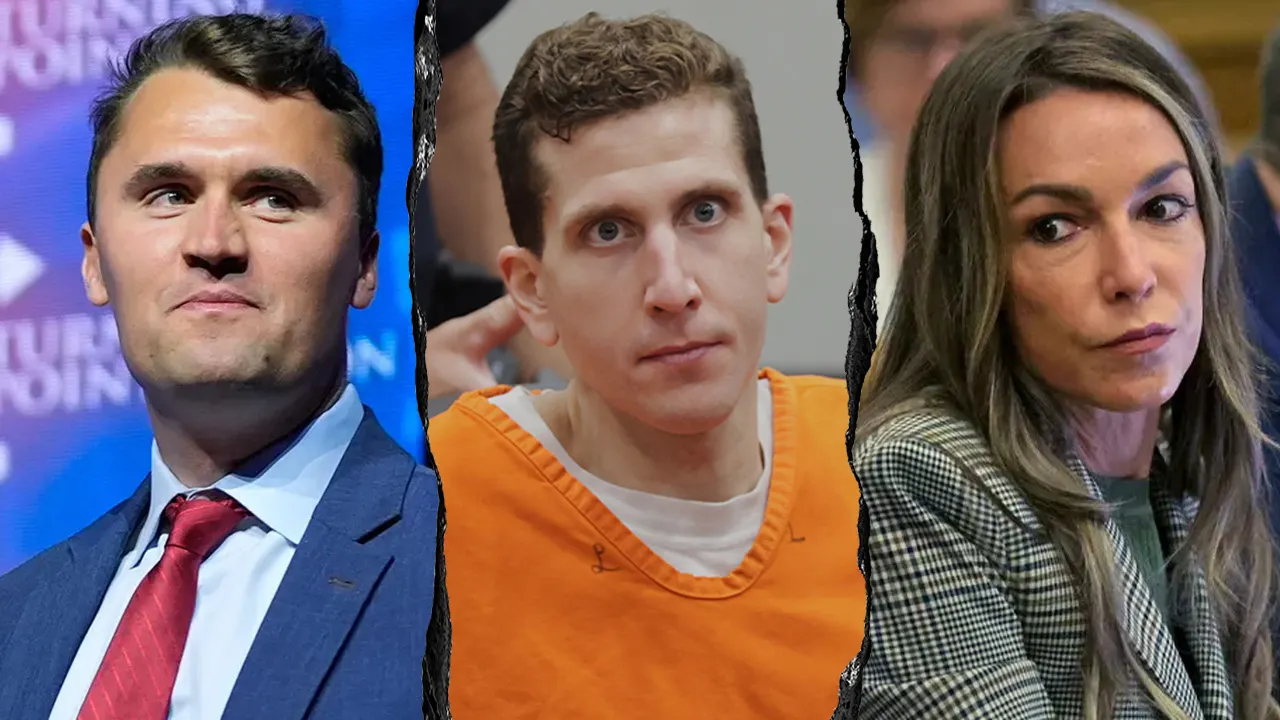
The assassination of conservative icon Charlie Kirk sent shockwaves through the political landscape in 2025, igniting intense debate about political extremism and online radicalization. Tyler Robinson, a 22-year-old former Utah State University student, was taken into custody after allegedly using a bolt-action rifle to kill the Turning Point USA founder. The case took a dramatic turn when a relative of Robinson contacted authorities after he reportedly confessed to involvement in the crime. President Trump personally commented on the investigation, stating on “FOX & Friends” that authorities had the suspect in custody “with a high degree of certainty” before Robinson was officially identified. Now charged and awaiting trial likely to begin in early 2026, Robinson’s case represents a disturbing example of political violence in an era of heightened partisan tensions. The assassination prompted soul-searching conversations across the political spectrum about the increasingly dangerous rhetoric surrounding political differences in America.
After years of investigation, pre-trial delays, and national attention, the infamous Idaho student murders case finally reached its conclusion in 2025 when Bryan Kohberger pleaded guilty to the brutal 2022 killings of Madison Mogen, Kaylee Goncalves, Xana Kernodle, and Ethan Chapin. Kohberger, a criminology Ph.D. student at Washington State University at the time of the murders, had been linked to the crime through cellphone data, surveillance video, and DNA evidence recovered from a knife sheath left at the scene. On July 2, 2025, he accepted a plea agreement that spared him from the death penalty but resulted in four consecutive life sentences without the possibility of parole. The resolution brought a measure of closure for the victims’ families, though some expressed frustration at not seeing a full trial. Perhaps most frustratingly for those seeking understanding, Kohberger, now 31 and housed in Idaho’s maximum-security prison, has never provided an explanation or motive for the senseless killings that devastated a college community and haunted the nation for years.
The Karen Read murder trial captivated public attention with its dramatic courtroom battles and allegations of police conspiracy before ending in a stunning acquittal. Read, 45, faced serious charges including second-degree murder in the 2022 death of her boyfriend, Boston police officer John O’Keefe, whose body was found face-up in the snow outside a fellow officer’s home. Prosecutors alleged Read struck O’Keefe with her SUV during a snowstorm and abandoned him, while the defense maintained she was the victim of a widespread cover-up among law enforcement. After her first trial ended with a hung jury, a Norfolk County jury acquitted Read of all major charges in June 2025, finding her guilty only of operating a vehicle under the influence—a verdict that sparked both celebration and controversy. While the criminal matter has concluded with Read receiving probation for the misdemeanor conviction, she still faces a wrongful death civil lawsuit filed by O’Keefe’s family that will likely continue through 2026, ensuring this complex and contentious case will remain in the public eye for the foreseeable future.
Political violence struck again in June 2025 when Minnesota House Speaker Melissa Hortman and her husband were killed in what authorities described as a politically motivated attack. Vance Boelter, 58, was arrested following a multistate manhunt and charged with multiple federal crimes after allegedly shooting and killing the Hortmans and wounding Senator John Hoffman and his wife. According to federal investigators, Boelter was impersonating a police officer and carried a hit list targeting Democratic officials on the night of the shootings. Digital evidence, security footage, and ballistics tests connected him to the crimes, highlighting growing concerns about targeted violence against elected officials. Meanwhile, in a separate case that underscored the ongoing threat of terrorism on American soil, fourteen New Year’s revelers lost their lives when Shamsud-Din Jabbar, a 42-year-old U.S. Army veteran, deliberately drove his truck into crowds celebrating on New Orleans’ famous Bourbon Street in the early hours of January 1, 2025. Jabbar, who was killed in a subsequent shootout with police, left behind bomb-making materials and a burned rental property, prompting an ongoing FBI terrorism investigation to determine whether he acted alone or had outside support for the devastating attack.
The year also saw a significant development in one of America’s most notorious murder cases when Erik and Lyle Menendez, convicted of killing their parents in 1989, became eligible for parole after a judge resentenced them to 50 years to life in prison. The brothers, who have maintained they killed their parents after suffering years of sexual and physical abuse, came closer than ever to potential freedom after serving over three decades behind bars. However, in August 2025, both were denied parole, with the board citing concerns about Erik’s prison violations and contraband issues, while noting Lyle displayed “antisocial traits” despite good behavior. The parole commissioner acknowledged Lyle’s genuine remorse and model behavior in many respects but ultimately determined both brothers still posed “an unreasonable risk to public safety.” Despite the setback, the Menendez brothers can request an administrative review in just one year, potentially allowing them another chance at parole sooner than the standard three-year waiting period—keeping this infamous case in the public consciousness for years to come as debates continue about justice, rehabilitation, and the complex legacy of trauma.