



Caroline Ellison’s Journey: From Crypto Fraud to Early Prison Release
In a case that captured headlines across the financial world, Caroline Ellison, the former head of Alameda Research and ex-girlfriend of disgraced crypto entrepreneur Sam Bankman-Fried, is now set for an early release from federal prison. The 31-year-old former executive, who became a key witness against Bankman-Fried in one of the largest cryptocurrency fraud cases in history, will serve just 15 months of her two-year sentence, with US Bureau of Prisons records indicating her release date as January 21. This early freedom stands in stark contrast to Bankman-Fried’s 25-year sentence, highlighting the significant impact of Ellison’s cooperation with prosecutors in bringing down the architect of the FTX empire.
Ellison’s role in the FTX collapse reveals a complex story of ambition, poor judgment, and eventual redemption through cooperation with authorities. As the head of Alameda Research, the hedge fund closely linked to FTX, she was instrumental in the high-risk cryptocurrency trading operations that eventually led to disaster. When these speculative investments began to fail, prosecutors established that Bankman-Fried diverted approximately $8 billion of FTX customers’ funds to keep Alameda afloat—a desperate and illegal attempt to prevent the collapse of his crypto empire. The misappropriated funds weren’t just used to cover trading losses; they reportedly financed extravagant lifestyles, political contributions, and what media reports characterized as drug-fueled “polycule” sex parties in luxury properties. Throughout this period, Ellison maintained both a professional and personal relationship with Bankman-Fried, creating a complicated dynamic that would later factor into her legal strategy.
The human dimension of Ellison’s story took an unexpected turn during her incarceration when she channeled her intellectual energy into creative writing. According to her mother, Sara Fisher Ellison, an MIT economics lecturer who wrote to the judge overseeing the case, Caroline authored a romance “novella” set in Edwardian-era England. This literary endeavor, described as being “loosely based” on “imagined amorous exploits” of her sister Kate, offers a curious glimpse into how Ellison coped with confinement and perhaps processed her own complicated romantic history. The choice to write historical fiction set in a period known for its rigid social structures and changing gender roles seems particularly noteworthy given Ellison’s own experience navigating the male-dominated cryptocurrency industry and her entanglement in both professional and personal relationships that ultimately led to her downfall.
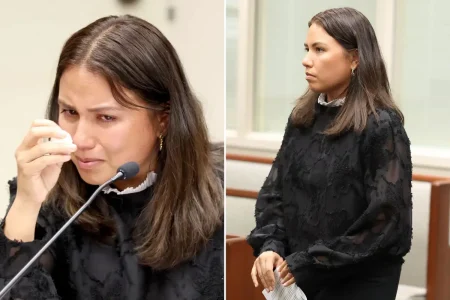
During her sentencing hearing, Ellison expressed deep remorse for her actions, telling Judge Lewis Kaplan that she was “deeply ashamed” of her role in the fraud. This contrition, coupled with her extensive cooperation with prosecutors, played a significant role in her relatively lenient sentence. Judge Kaplan explicitly acknowledged the crucial distinction between Ellison and Bankman-Fried, noting: “While you were gravely culpable in this fraud, there is no doubt that you had remarkable cooperation. That’s a fundamental distinction between you and Mr. Bankman-Fried.” This judicial assessment underscores how cooperation with authorities can substantially influence sentencing outcomes in high-profile white-collar crime cases. For Ellison, the decision to turn against her former boyfriend and business partner represented both a legal strategy and perhaps a moral reckoning with her own culpability in a scheme that harmed countless investors.
The progressive reduction of Ellison’s prison term illustrates the impact of her cooperation and perhaps good behavior while incarcerated. Initially sentenced to two years in September 2024, her release date was first moved up by three months to July 2026 just two months after sentencing. Now, federal records indicate an even earlier release date, resulting in a sentence that amounts to just over a year behind bars. This trajectory stands in stark contrast to Bankman-Fried’s fate and those of many others convicted in financial crimes of similar magnitude. It raises questions about fairness in sentencing and the value that the justice system places on cooperation, especially in complex financial cases where insider testimony can be crucial to securing convictions against the principal architects of fraud schemes.
Ellison’s story, from promising mathematics student to cryptocurrency executive to federal witness and inmate, represents more than just another tale of financial misconduct. It reflects the particular vulnerabilities and pressures of the cryptocurrency industry, where immense wealth can be generated seemingly overnight, regulatory oversight remains incomplete, and the lines between innovation and exploitation often blur. As she prepares for her early release, Ellison faces the challenge of rebuilding her life under the shadow of her involvement in one of the most notorious financial scandals of recent years. Her journey—from the heights of crypto wealth to the humbling experience of incarceration and cooperation—serves as a cautionary tale about the risks of unchecked ambition and the complex moral choices that individuals face when caught up in fraudulent enterprises. It also demonstrates how the American justice system values and rewards cooperation, even when that cooperation comes after participation in serious criminal activity.