


Musk Criticizes NYC Mayor’s FDNY Commissioner Appointment, Citing Concerns Over Experience
In a social media exchange that highlights the ongoing debate about qualifications for leadership in public safety roles, Elon Musk publicly criticized incoming New York City Mayor Zohran Mamdani’s selection for FDNY commissioner. Musk expressed grave concerns on his X platform about Mamdani’s appointment of Lillian Bonsignore, stating bluntly: “People will die because of this. Proven experience matters when lives are at stake.” His comment reflects a fundamental question about what type of experience should be prioritized in emergency services leadership – operational firefighting experience or broader emergency management expertise. The tech billionaire’s intervention in municipal affairs demonstrates how public safety appointments have become part of the broader national political discourse, especially when they involve groundbreaking selections that challenge traditional leadership models.
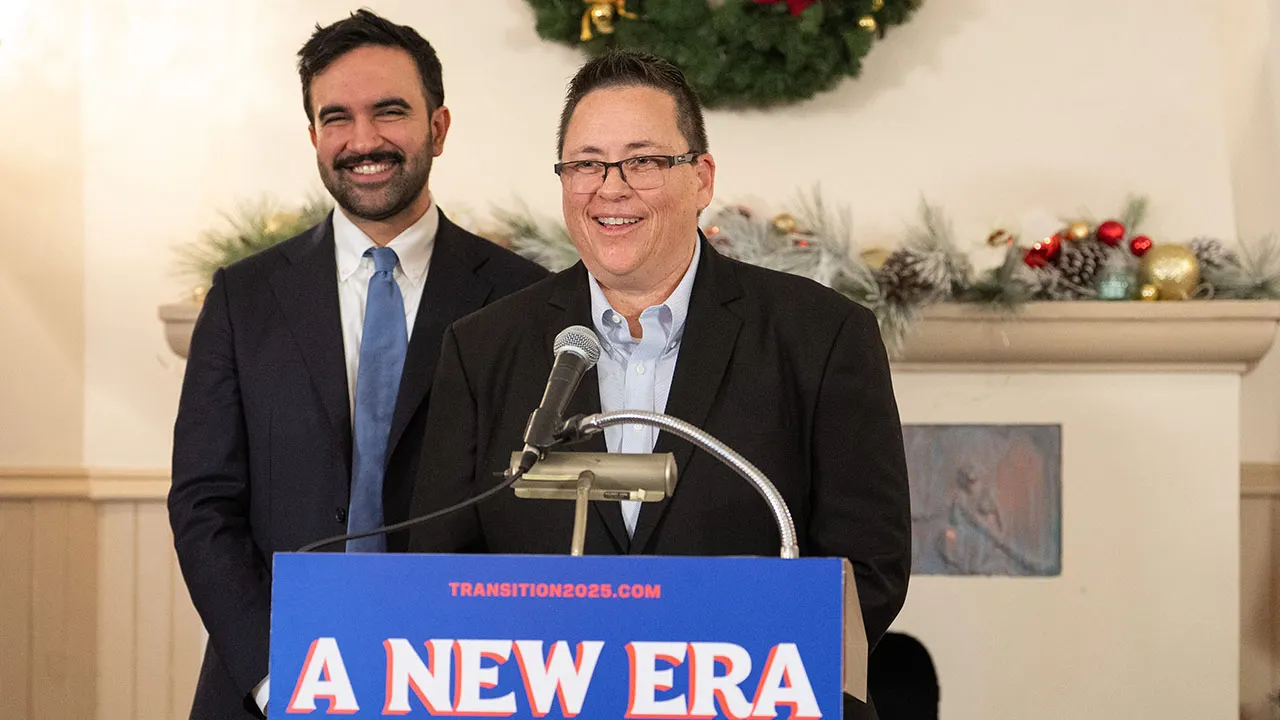
Mamdani, who takes office on January 1, quickly defended his choice by emphasizing Bonsignore’s extensive 31-year career with the FDNY, primarily in Emergency Medical Services. In his response to Musk, Mamdani highlighted a practical reality of modern emergency services: “Experience does matter, which is why I appointed the person who spent more than 30 years at EMS. You know, the workforce that addresses at least 70% of all calls coming into FDNY?” This appointment represents a significant milestone as Bonsignore will become only the second woman to hold the commissioner position and the first openly gay person in the role. Mamdani had previously celebrated her appointment on social media, noting she was “the first woman to achieve a 4-star rank in FDNY history” and praising her “crisis leadership and operational expertise.” Bonsignore led EMS Operations during the COVID-19 pandemic before retiring in 2022, bringing experience in managing citywide health emergencies.
The dispute highlights deeper questions about the evolving nature of emergency services and what constitutes appropriate leadership experience in the modern era. Musk’s criticism implies that direct firefighting experience should be a prerequisite for leading the department, reflecting traditional views on progression through emergency service ranks. However, Mamdani’s defense suggests a more holistic view that values crisis management experience and leadership of EMS operations – which handle the majority of the department’s calls – as equally valid preparation for the commissioner role. Bonsignore herself addressed these concerns at her introduction, stating: “I am honored, so honored, and humbled to stand before you as the new fire commissioner. This appointment represents a significant responsibility, one I accept with humility, dedication and a deep sense of commitment to the city and its people.” Her three decades of service in emergency response, albeit primarily in EMS rather than fire operations, provides a different but substantial foundation for leadership.
Adding another layer to this transitional drama, outgoing Mayor Eric Adams made his own FDNY commissioner appointment this week, selecting FDNY First Deputy Commissioner Mark Guerra. This unusual situation of competing appointments highlights the tensions in the mayoral transition period. Adams defended his choice by emphasizing that “keeping New Yorkers safe and protected has always been our North Star, and having principled, qualified public servants in place to lead our critical public safety agencies is crucial to fulfilling that goal; there’s no person who meets those high standards (like) Commissioner Mark Guerra.” This move creates potential confusion about leadership continuity in one of the city’s most critical emergency response agencies during the transition between administrations.
Mamdani, however, remained steadfast in his support for Bonsignore, responding to Adams’ appointment by stating, “Lillian’s light is one that can’t be dimmed by anything else that takes place. The mayor is free to continue to be the mayor until the end of this year and make decisions as such.” This political maneuvering reflects the high stakes involved in emergency services leadership and the competing visions for the department’s future. The incoming mayor’s appointment of Bonsignore signals a potential shift in FDNY leadership philosophy, possibly placing greater emphasis on the department’s medical response capabilities and diversifying its leadership ranks, which have historically been dominated by firefighting operations.
This controversy speaks to broader national conversations about qualification requirements for leadership positions, diversity in public safety agencies, and the balance between traditional experience and new perspectives. Bonsignore’s appointment represents a significant step for representation in emergency services leadership, breaking barriers as both a woman and an openly gay person in a traditionally male-dominated field. While Musk’s concerns focus on operational firefighting experience, Mamdani’s appointment reflects an evolving understanding of what constitutes valuable experience in modern emergency services leadership. As cities nationwide face increasingly complex emergency response challenges – from climate disasters to public health crises – the debate over what makes an effective emergency services leader will likely continue to evolve, with New York City’s current transition serving as a high-profile case study in these changing dynamics.