

Ukraine’s Quest for Peace Amid Escalating Russian Aggression
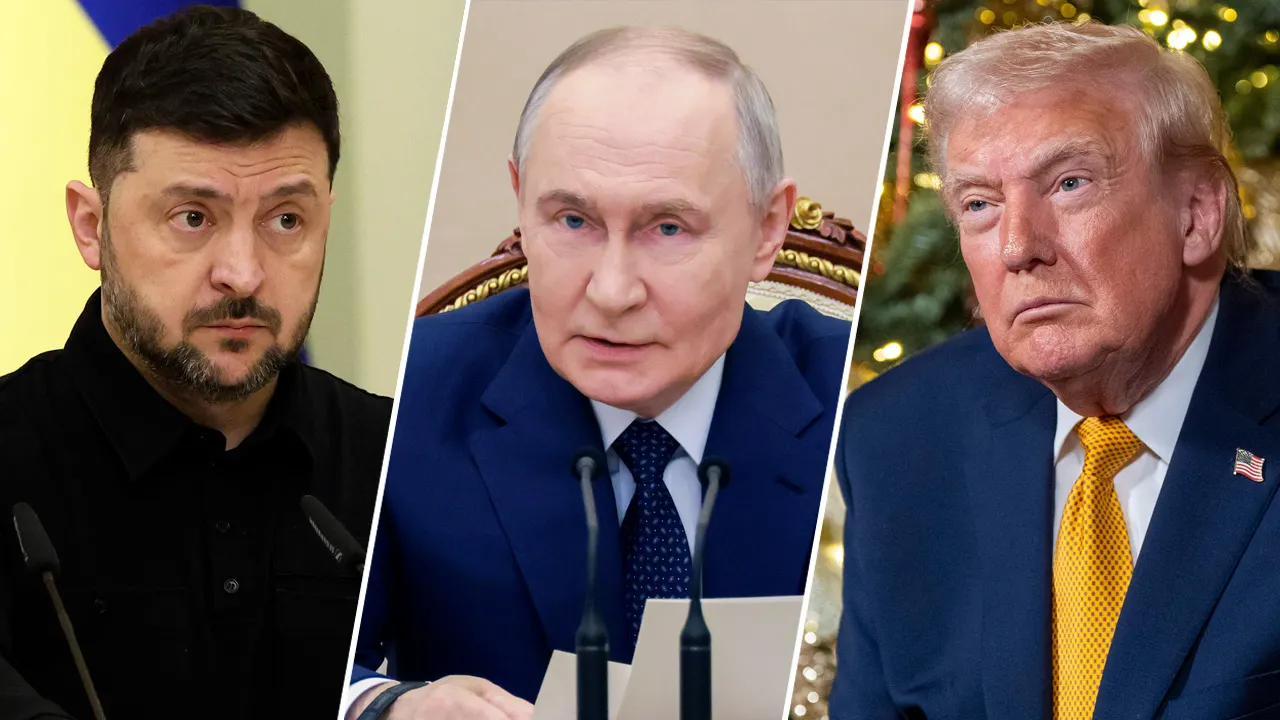
In a heartfelt appeal to the world community, Ukrainian President Volodymyr Zelenskyy declared his nation “willing to do whatever it takes” to end the devastating war with Russia. This statement came just before his scheduled meeting with President-elect Donald Trump in Florida, where the Ukrainian leader plans to present a comprehensive 20-point peace proposal. Zelenskyy’s plea for international support comes at a critical juncture, as he frames the conflict in stark terms: “If the whole world – Europe and America – is on our side, together we will stop Putin,” he warned, adding that if any nation sides with Russia, “this means the war will continue.” The Ukrainian president emphasized that Russia’s ambitions won’t end with Ukraine, suggesting that the consequences of this conflict extend far beyond his country’s borders and represent “a risk for all countries in the world.”
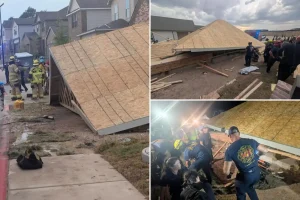
The urgency of Zelenskyy’s message was dramatically underscored by a massive Russian attack on Kyiv that coincided with his statements. In what appeared to be a brutal response to peace overtures, Russia launched approximately 500 drones and 40 missiles, including hypersonic Kinzhals, primarily targeting Ukraine’s capital city. The overnight assault damaged civilian infrastructure, destroyed residential buildings, left at least one person dead and 27 injured, and forced emergency services to search for people trapped under rubble. Zelenskyy characterized this attack as revealing the “true attitude of Putin and his inner circle,” suggesting that while Russian representatives engage in diplomatic talks, their actions speak a different language: “They do not want to end the war and seek to use every opportunity to cause Ukraine even greater suffering and increase their pressure on others around the world.”
The timing of the attack – during the Christmas and New Year period – particularly disturbed Zelenskyy, who argued that such “sick activity” demands “truly strong steps” from international partners. “The United States has this capability. Europe has this capability. Many of our partners have this capability. The key is to use it,” he stated on social media. The Ukrainian president has been consistently clear about who bears responsibility for the conflict: “Ukraine did not start this war. Russia started it.” He noted that Ukraine had supported President Trump’s earlier ceasefire proposal and has agreed to numerous compromises, as documented in their draft agreements and peace plan. For Ukraine, Zelenskyy stressed, “priority number one – or the only priority – is ending the war.”
To achieve peace, Zelenskyy emphasized that Ukraine needs to negotiate from a position of strength, which requires robust international support. He outlined specific needs: air defenses, weaponry, and financial resources – all of which he described as “currently insufficient.” While acknowledging recent European financial commitments, he highlighted “a constant shortage of funds, in particular for the production of weapons and, most importantly, drones.” The upcoming meeting with Trump represents a critical opportunity for Zelenskyy to secure American support, though the president-elect has made clear his intention to maintain control over any peace agreement, telling Politico, “He doesn’t have anything until I approve it. So we’ll see what he’s got.”
Meanwhile, Russia continues to frame its attacks differently. The Russian Defense Ministry characterized the overnight bombardment as a “massive strike” using “long-range precision-guided weapons” that targeted energy infrastructure facilities “used by the Ukrainian Armed Forces” and “Ukrainian military-industrial complex enterprises.” They claimed the strike was in response to Ukraine’s attacks on “civilian objects” in Russia – a narrative that contrasts sharply with the civilian casualties and infrastructure damage reported in Kyiv. The ministry also reported that its air defenses had shot down seven Ukrainian drones over the Russian regions of Krasnodar and Adygeya overnight, continuing the cycle of attack and counter-attack that has defined much of this conflict.
The international community has taken notice of these developments, with Polish Prime Minister Donald Tusk pointedly observing on social media: “Contrary to President Trump’s expectations and despite the readiness to make compromises by Ukrainian President Volodymyr Zelenskyy, Russia attacked again Kyiv’s residential districts.” Tusk announced plans to discuss “the chances for peace” with leaders from Ukraine, Germany, France, the UK, Italy, and the EU. As Zelenskyy prepares for his crucial meeting with Trump, the world watches to see whether diplomatic efforts can gain traction or if Russia’s apparent commitment to military escalation will prevail. The stakes couldn’t be higher – not just for Ukraine’s sovereignty and the lives of its citizens, but potentially for the stability of the international order and the future of European security.