


Italian Authorities Uncover Hamas Funding Scheme Under Charitable Facade
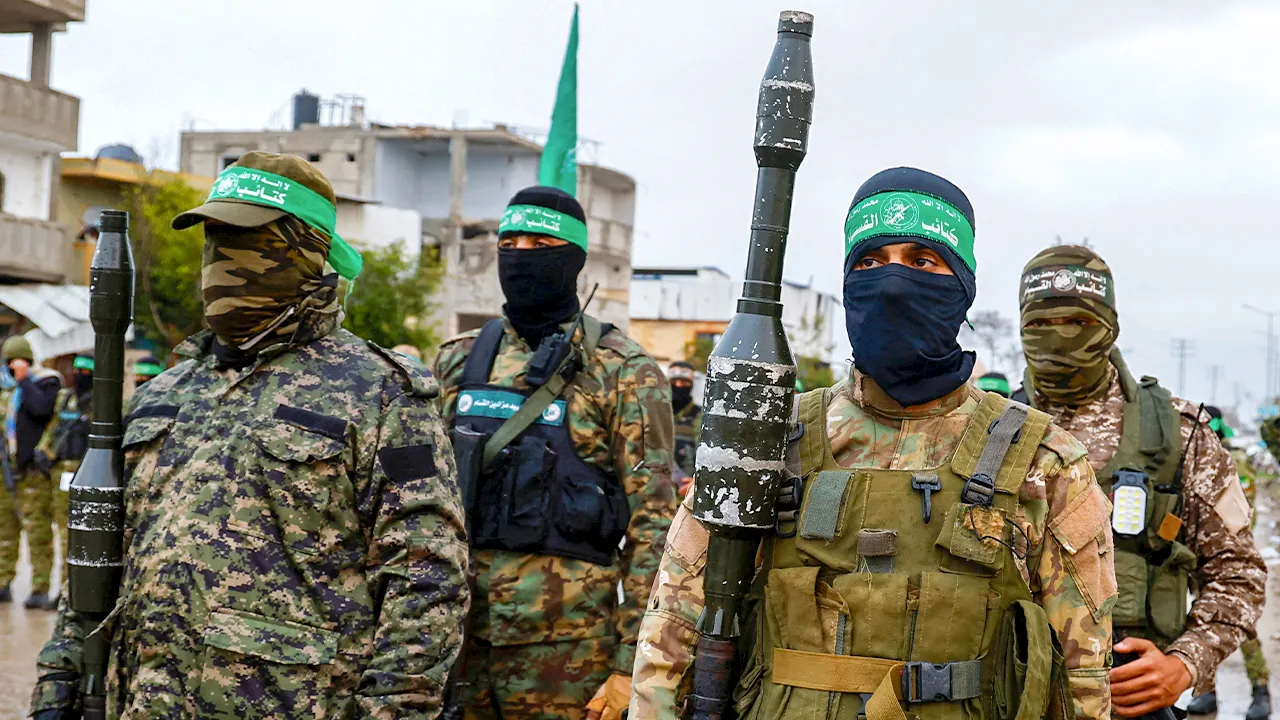
In a significant anti-terrorism operation, Italian authorities have arrested nine individuals connected to three charities suspected of funneling approximately 7 million euros ($8.2 million) to Hamas, the Palestinian organization designated as a terrorist group by numerous countries including the United States, European Union, and Israel. The investigation revealed a sophisticated scheme where funds ostensibly collected for humanitarian purposes for Palestinians were instead primarily directed to Hamas or affiliated entities. According to police reports, while these charities publicly claimed to be providing humanitarian aid, more than 71% of the donations were channeled to the terrorist organization and its associates, with some money allegedly reaching family members of individuals involved in terrorist attacks.
Among those arrested was Mohammad Hannoun, president of the Palestinian Association in Italy, whom prosecutors have described as the “head of the Italian cell of the Hamas organization.” The funding mechanism employed by these individuals was intricate, involving what authorities called “triangulation operations” – complex bank transfers routed through various international organizations before ultimately reaching Gaza-based associations. These recipient organizations have been declared illegal by Israel due to their connections with Hamas. The elaborate financial web was designed to obscure the true destination of the funds, making it challenging for authorities to track the money flow until this breakthrough investigation.
Italian Interior Minister Matteo Paintedosi praised the operation as “important and significant,” noting that it “lifted the veil on behavior and activities which, pretending to be initiatives in favor of the Palestinian population, concealed support for and participation in terrorist organizations.” This statement underscores the challenge faced by international authorities in distinguishing between legitimate humanitarian efforts for Palestinians and covert financing of terrorist activities. The Italian investigation highlights the growing sophistication of terrorist financing networks that exploit charitable giving and humanitarian concerns to fund organizations engaged in violence and extremism.
The arrests come at a time of heightened global concern about terrorist financing through seemingly legitimate channels. Hamas, which has controlled the Gaza Strip since 2006, remains designated as a terrorist organization by numerous nations and international bodies due to its history of violent attacks and its charter’s calls for the destruction of Israel. This case demonstrates the ongoing challenges in monitoring international money flows and the continued efforts by terrorist organizations to secure funding through deceptive means. The complexity of the financial arrangements uncovered in Italy suggests a level of international coordination that crosses multiple borders and jurisdictions.
This Italian investigation also raises important questions about the oversight of international charitable organizations, particularly those operating in conflict zones. The ability of these alleged Hamas supporters to raise millions of euros under the guise of humanitarian aid points to potential gaps in regulatory frameworks designed to prevent terrorist financing. For legitimate charities working to alleviate suffering in Gaza and other Palestinian territories, such cases can create additional scrutiny and obstacles, potentially hampering genuine humanitarian efforts in a region already facing severe humanitarian challenges. The delicate balance between enabling humanitarian support and preventing terrorist financing remains a significant policy challenge for governments worldwide.
As authorities continue to investigate these financial networks, the case serves as a reminder of the global nature of terrorist financing and the importance of international cooperation in combating it. The successful operation by Italian authorities demonstrates that with proper intelligence sharing and investigative resources, such covert funding channels can be exposed and dismantled. However, it also suggests that similar operations may exist in other countries, using charitable fronts to channel money to terrorist organizations. For the international community, this case reinforces the need for vigilance, robust financial monitoring systems, and continued cooperation to ensure that humanitarian aid reaches its intended recipients rather than supporting organizations engaged in violence and terrorism.