


Chiefs’ Relocation Plan Sparks Controversy Over Public Funding
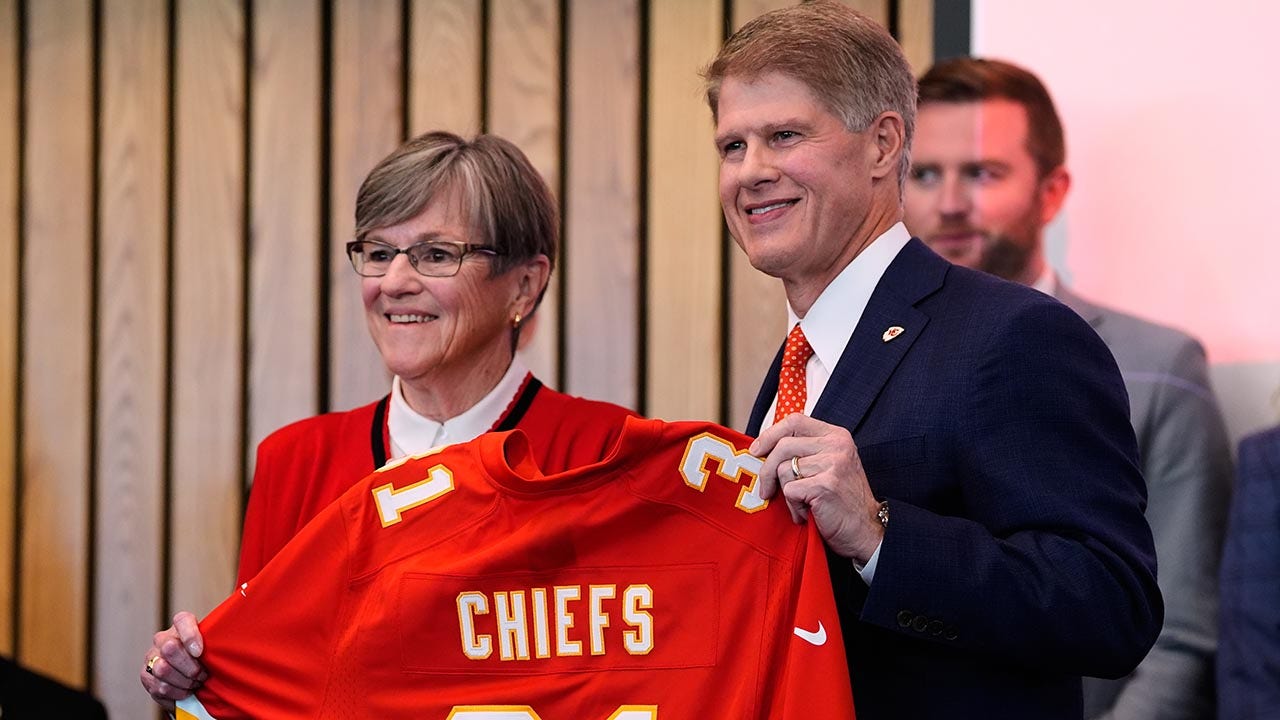
Pennsylvania Rep. Brendan Boyle has publicly criticized Kansas City Chiefs owner Clark Hunt following the team’s announcement that they plan to relocate to a new stadium in Kansas City, Kansas, by 2031. Taking to social media, Boyle didn’t mince words, calling Hunt “the biggest Welfare King in America” and condemning the use of “billions of taxpayer money going to this billionaire, while working people suffer.” The Democratic congressman’s outrage centers on the financing structure of the new stadium, which will heavily rely on public funds despite the Hunt family’s estimated net worth of $1.6 billion according to Forbes.
The controversy stems from a bidding war between Kansas and Missouri, with Kansas ultimately securing the Chiefs’ move through a generous funding package. Kansas lawmakers unanimously approved a plan that will cover approximately 60-70% of the new stadium costs using STAR (Sales Tax and Revenue) bonds, which will be repaid through state sales and liquor tax revenues generated in the area surrounding the development. This arrangement came after voters in Missouri’s Jackson County rejected an extension of a sales tax that would have funded improvements to the team’s current home, Arrowhead Stadium, as well as a new stadium for the Kansas City Royals baseball team. The rejection effectively forced both franchises to explore alternative options for their future facilities.
Clark Hunt has framed the move as beneficial for the entire Kansas City region, emphasizing that the new domed stadium will position the city to host major events like the Super Bowl and NCAA Final Four. “The benefit to the entire region will be monumental,” Hunt stated in his announcement. “A stadium of this caliber will put Kansas City in the running for Super Bowls, Final Fours, and other world class events.” The owner also highlighted plans for a “new mixed-use district” that would “rival that of any sports-anchored development anywhere in the country,” suggesting the project would create broader economic benefits beyond just housing the football team.
This situation reflects a continuing pattern in professional sports where team owners leverage their franchises’ cultural and economic importance to secure substantial public funding for stadium projects. Critics like Rep. Boyle question why billionaire owners receive such generous taxpayer subsidies when they could presumably finance more of these projects privately. The debate touches on fundamental questions about the appropriate use of public funds, the economic impact of sports teams on their communities, and who ultimately benefits from these large-scale development projects.
The Chiefs’ relocation also represents another chapter in the team’s geographical evolution. Though many fans associate the Chiefs closely with Kansas City, Missouri, the franchise actually began as the Dallas Texans, winning an American Football League championship before moving to Kansas City, Missouri, in 1963. The team initially played at Kansas City Municipal Stadium before later moving to Arrowhead Stadium, which has become one of the NFL’s most iconic venues known for its passionate fans and record-setting noise levels. This latest move will take them across the state line but keep them within the same metropolitan area.
The controversy surrounding the Chiefs’ stadium deal echoes similar debates happening across professional sports. Just recently, Buffalo Bills owner Terry Pegula faced backlash over owning a $100 million yacht while New York taxpayers contribute significantly to funding the Bills’ new stadium. These situations highlight the growing tension between the immense wealth concentrated in professional sports ownership and the increasing expectation that local communities should subsidize their facilities through public funds. As cities compete to attract or retain professional sports franchises, the question remains whether these public investments deliver sufficient economic and cultural returns to justify their costs, or whether they primarily serve to enhance the wealth of already-affluent team owners.