



The Persistent Issue of Palestinian Authority’s “Pay-for-Slay” Program
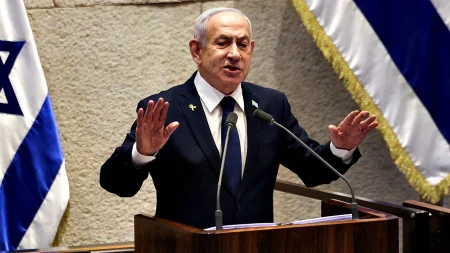
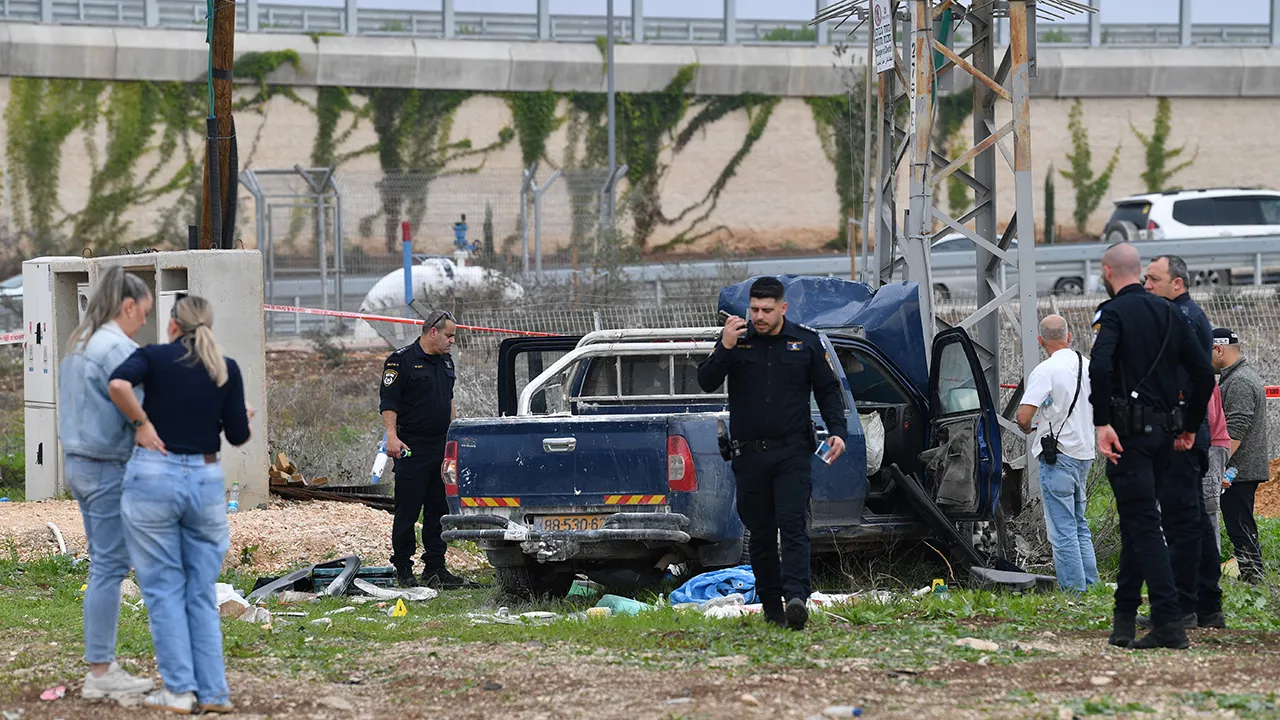
In the wake of a tragic terrorist attack that claimed the lives of two Israeli citizens, Israel’s Foreign Minister Gideon Sa’ar has sharply criticized the Palestinian Authority (PA) for its continued implementation of the controversial “Pay-for-Slay” program. This policy, which provides financial support to Palestinians who commit acts of terrorism against Israelis and to their families, has been a source of ongoing tension between Israeli authorities and Palestinian leadership. On Friday, 19-year-old Aviv Maor from Kibbutz Ein Harod and 68-year-old Mordechai Shimshon from Beit She’an were murdered by Palestinian terrorists in northern Israel, bringing renewed attention to this contentious issue. Sa’ar’s criticism highlights the Israeli government’s frustration with what they perceive as international complacency toward Palestinian leadership’s policies that incentivize violence.
The “Pay-for-Slay” program first gained widespread international attention following the 2016 murder of Taylor Force, an American West Point graduate who was stabbed to death while visiting Israel. This tragedy led to the Taylor Force Act, signed into law by President Donald Trump in 2018, which restricts U.S. economic aid to the Palestinian Authority until it ceases payments to individuals who commit acts of terrorism and to the families of deceased terrorists. Prior to the recent attacks, Sa’ar had taken to social media to warn the international community about what he described as deception by Palestinian President Mahmoud Abbas. Sa’ar claimed that despite public statements suggesting otherwise, the PA has continued its policy of providing financial support to terrorists and their families, merely disguising some payments as pensions for Palestinian Security Services to avoid international scrutiny.
The question of whether the PA has genuinely reformed the “Pay-for-Slay” program remains contested. While a PA-linked organization called The Palestinian National Economic Empowerment Institution (Tamkeen) has insisted that “the payment system linked to the number of years of imprisonment has been completely and permanently abolished,” Israeli experts remain unconvinced. Kobi Michael, a senior researcher at Israel’s Institute for National Security Studies, described the PA’s claims of policy changes as a “façade,” suggesting that the program continues under different guises that make it more difficult for international donors to monitor. This disagreement reflects the deeper challenge of verifying commitments in a context of deep mistrust between the parties involved. Despite multiple attempts by journalists to obtain clarification from Palestinian authorities, their requests for comment have gone unanswered.
The persistence of the “Pay-for-Slay” program raises significant questions about the responsibilities of nations that provide financial support to the Palestinian Authority. Michael argues that donor nations should adopt a stricter approach to their financial contributions and leverage their economic influence to pressure the PA to genuinely abandon policies that reward terrorism. He particularly criticized Western European leaders who have moved to recognize an independent Palestinian state without ensuring that such a state would firmly reject terrorism. The recent announcements by British, French, and Spanish leaders that they intend to recognize a Palestinian state in 2025 have been interpreted by some Israeli observers as inadvertently providing “an incentive to continue to ‘Pay for Slay'” by reducing pressure for reform. This perspective highlights the complex interplay between diplomatic recognition, financial aid, and security concerns in the Israeli-Palestinian conflict.
The broader context of the “Pay-for-Slay” controversy includes ongoing security challenges in Gaza, where the militant group Hamas maintains significant influence despite international pressure. Michael warns that failure to dismantle and disarm Hamas in Gaza would represent “another achievement of Hamas and the Palestinian Authority” in their resistance to external demands for reform. This comment reflects a view common among Israeli security experts that international efforts to promote peace and stability must address not only formal policies like “Pay-for-Slay” but also the presence and power of armed groups that operate outside state control. The persistent challenge of Hamas in Gaza complicates any attempt to establish a comprehensive peace arrangement, as it represents a parallel power structure that frequently acts independently of the Palestinian Authority in the West Bank.
The controversy surrounding the “Pay-for-Slay” program illustrates the deeper challenges facing Israeli-Palestinian relations and international efforts to promote peace in the region. While the Palestinian Authority publicly claims to have reformed its policies regarding payments to terrorists, Israeli officials and security experts remain skeptical, pointing to what they see as continued financial incentives for violence merely disguised under different administrative categories. This disagreement underscores how difficult it is to build trust between parties with a long history of conflict and mutual suspicion. As the international community continues to search for pathways to peace, addressing policies that may incentivize violence while also acknowledging legitimate Palestinian aspirations for statehood remains a delicate and contentious balancing act. Without clear mechanisms for verification and accountability, statements of policy change from either side are likely to be met with continued skepticism from their counterparts.