



RFK Jr.’s Health Initiative Faces Legal Challenge in West Virginia
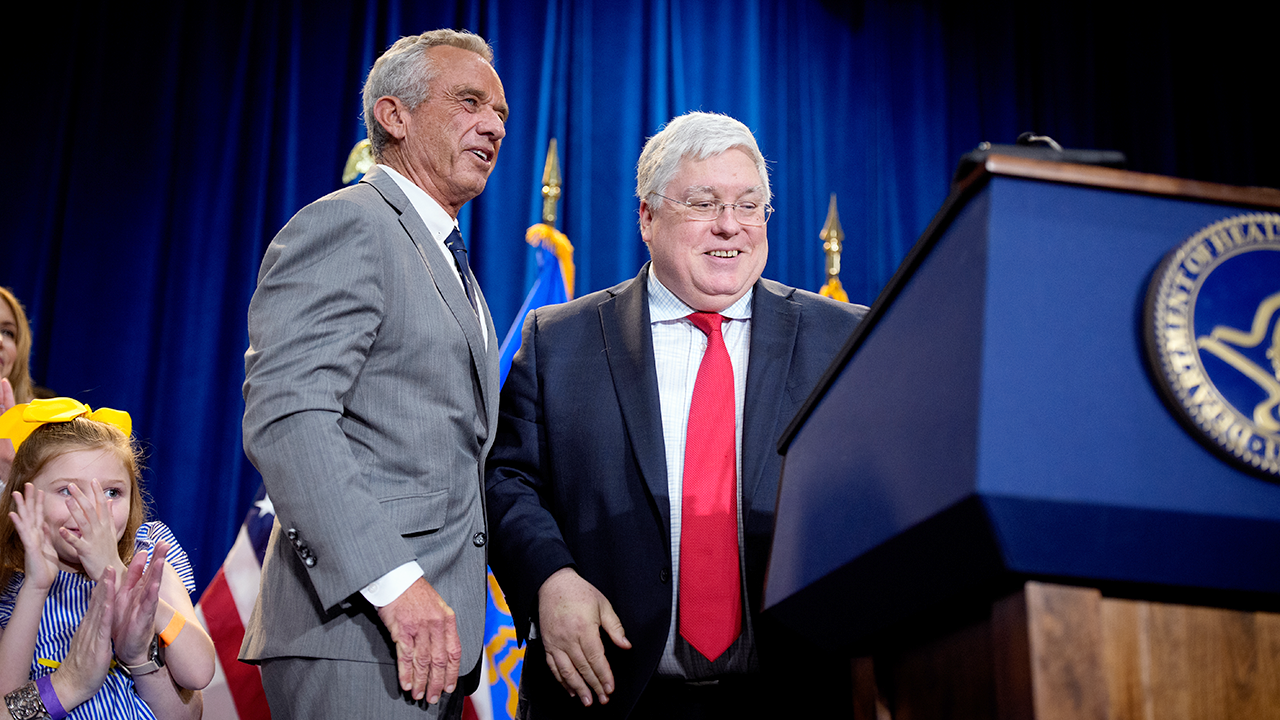
In his role as Health and Human Services Secretary under President Donald Trump’s second administration, Robert F. Kennedy Jr. has been diligently working to implement his “Make America Healthy Again” (MAHA) vision. This ambitious health initiative aims to transform American wellness from the ground up, with particular focus on removing harmful artificial additives from the food supply. Kennedy’s crusade began symbolically in March with a visit to Martinsburg, West Virginia, where he stood alongside Governor Patrick Morrisey to announce that the MAHA movement would have its first stronghold in the Mountain State. This choice wasn’t accidental – West Virginia had already drafted legislation to ban several controversial food dyes and additives, positioning itself as a pioneer in what Kennedy hoped would become a nationwide movement to purify America’s food system.
However, the path to healthier food has hit a significant roadblock. Just before the year’s end, Obama-appointed federal Judge Irene Berger issued a 30-page ruling that blocks West Virginia from enforcing its groundbreaking ban on artificial food additives. The judge sided with the International Association of Color Manufacturers, which challenged the state law known as HB 2354. This legislation, drafted by Republican Delegate Adam Burkhammer, would have prohibited food and pharmaceuticals containing specific artificial compounds including butylated hydroxyanisole and several synthetic dyes: Red 3, Red 40, Yellow 5, Yellow 6, Blue 1, Blue 2, and Green 3. The law would have imposed misdemeanor charges and $500 fines on those knowingly using these substances in products sold in West Virginia. It’s worth noting that Red 3 is already banned by the FDA due to its association with thyroid problems and potential carcinogenic effects in laboratory testing.
The legal challenge centered on several claims by the dye manufacturers’ association. They argued that West Virginia’s ban would cause economic harm to member companies, improperly usurp federal regulatory authority, and interfere with interstate commerce – which falls under federal jurisdiction. In their statement announcing the lawsuit, the IACM asserted that the targeted color additives have never been found unsafe by any U.S. regulatory body and that the ban lacks scientific evidence. While Judge Berger agreed with many of these arguments in her preliminary injunction, she rejected the claim that the policy constituted an unlawful bill-of-attainder (a law singling out a specific group). Her ruling particularly cited concerns about the law’s vague terminology, noting that phrases like “poisonous and injurious” lacked clear criteria for determination, potentially creating unfair situations for manufacturers.
Governor Morrisey expressed strong disagreement with the court’s decision, calling it “premature and incorrectly decided.” In a statement reflecting his continued commitment to the issue, he asserted that “West Virginia will continue to defend its authority to protect the health and well-being of our citizens, especially children,” and promised to review legal options while pressing forward with “efforts to get harmful crap out of our food supply.” The reaction from other state Republicans was similarly defiant. Delegate David Elliott Pritt criticized “Big Food” companies for challenging the law, questioning how profit-driven entities could “fight for your company’s ability to willingly and knowingly continue to poison the kids of this state and nation because you refuse to alter your formulas.” Meanwhile, Health Committee Chairman Evan Worrell emphasized that the law transcended politics, focusing instead on protecting children from “unnecessary chemical additives” already banned in other countries.
Kennedy’s concerns about food additives extend beyond just physical health. During his Martinsburg appearance, he connected these chemicals to broader social issues, suggesting links between food additives and “the increasing epidemic of social loneliness and dispossession, as well as the crises we have in mental health, in suicide, in ADD, ADHD.” He specifically pointed to “very strong studies” connecting the dyes targeted by West Virginia’s ban to ADHD and various cancers. This holistic view of health – connecting what we consume with broader social and psychological well-being – represents a cornerstone of Kennedy’s MAHA philosophy, which seeks to address the root causes of America’s health crises rather than merely treating symptoms.
Despite the legal setback in West Virginia, the movement to remove artificial additives from the American food supply continues to gain momentum. Several states including California, Virginia, Utah, and Arizona have begun pursuing similar bans, primarily focused on school lunches. Even the private sector has started to respond, with retail giant Walmart announcing plans to remove synthetic dyes and certain artificial sweeteners and fats from its store brands by January. This suggests that Kennedy’s message is resonating beyond government channels, potentially creating a market-driven shift toward healthier food options. The court battle in West Virginia represents just one front in what appears to be a broader cultural reconsideration of what Americans eat and how those choices affect national health. While the legal system works through these challenges, Kennedy’s MAHA initiative continues to spark crucial conversations about the relationship between government regulation, corporate responsibility, and public health in contemporary America.