


Pope Leo XIV’s Christmas Message: A Call for Global Peace and Compassion
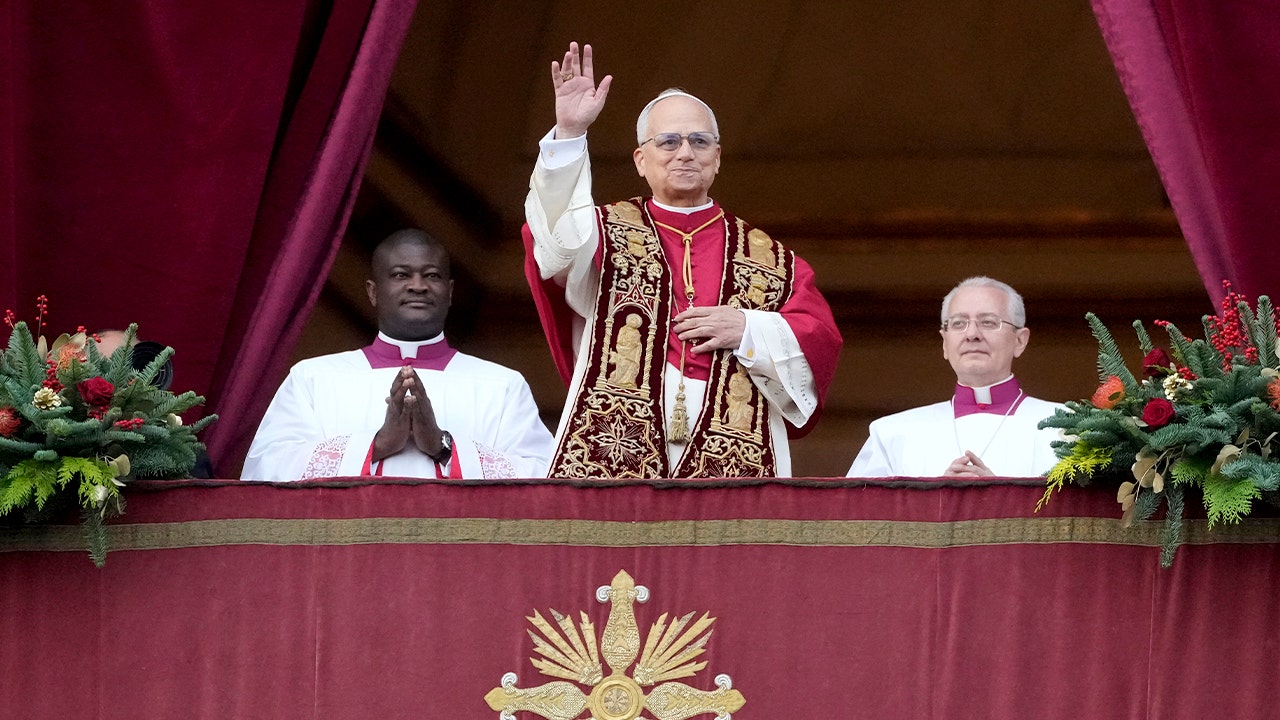
In a powerful Christmas Day address that resonated across the globe, Pope Leo XIV delivered his first “Urbi et Orbi” message to tens of thousands gathered in St. Peter’s Square. The pontiff, who made history as the first American-born pope following his election in May after Pope Francis’s death, used this traditional platform to advocate for peace in regions torn by conflict. His heartfelt appeal highlighted the suffering of people in war zones and called for renewed commitment to dialogue and justice. This message of hope and reconciliation has quickly become a cornerstone of his early papacy, reflecting his dedication to addressing global conflicts through diplomatic engagement and spiritual guidance.
The Pope’s address began with a passionate plea for “justice, peace, and stability” in the Middle East, specifically mentioning Lebanon, Palestine, Israel, and Syria. He then turned his attention to Ukraine, describing its people as “tormented” by the ongoing Russian invasion. With conviction in his voice, Pope Leo called for the “clamor of weapons to cease,” urging all parties involved in the conflict to find the courage for “sincere, direct, and respectful dialogue” with international support. This focus on Ukraine is consistent with the Vatican’s diplomatic efforts, as the Pope has previously met with Ukrainian President Volodymyr Zelenskyy and offered to host peace negotiations between Ukrainian and Russian representatives, demonstrating his commitment to active peacemaking rather than merely symbolic gestures.
The Christmas message extended beyond headline-grabbing conflicts to embrace suffering people in less-publicized crises across Africa and Asia. Pope Leo spoke of those enduring the consequences of political instability, religious persecution, and terrorism, making it clear that his concern for human dignity knows no geographical boundaries. In addressing world leaders, he emphasized that lasting peace cannot be built on violence or indifference but must be rooted in justice, meaningful dialogue, and solidarity with the most vulnerable. This comprehensive approach to global suffering reflects the Pope’s understanding that peace is not merely the absence of conflict but requires active commitment to human rights and dignity in all corners of the world.
In a particularly moving segment of his address, Pope Leo connected the Christmas story to contemporary human suffering, saying, “In becoming man, Jesus took upon himself our fragility, identifying with each one of us.” He specifically mentioned “the inhabitants of Gaza who have nothing left,” the “Yemeni people prey to hunger and poverty,” and refugees and migrants crossing the Mediterranean and American continent in search of a better future. By drawing these parallels between Christ’s incarnation and modern suffering, the Pope invited believers to see the divine presence in those experiencing hardship today. This theological framing transformed his political appeals into spiritual imperatives, suggesting that compassion for the suffering is not merely humanitarian but central to Christian faith.
“On this holy day, let us open our hearts to our brothers and sisters who are in need or in pain,” the Pope continued, connecting this openness to others with openness to “the Child Jesus, who welcomes us with open arms and reveals his divinity to us.” This invitation to spiritual and practical compassion illustrates how Pope Leo has quickly established himself as a spiritual leader who integrates faith with social action. His Christmas message avoided abstract theological pronouncements in favor of concrete calls to recognize human dignity in specific contexts of suffering, suggesting that authentic spiritual practice must manifest in concern for others, particularly those most marginalized by conflict and injustice.
Since his historic election as the first American pope, Leo XIV has consistently centered peace advocacy in his papacy. His Christmas message reinforced this focus, building upon previous diplomatic initiatives including his meetings with Zelenskyy and his expressed willingness to mediate peace talks between Russia and Ukraine. While maintaining the Vatican’s traditional role in international diplomacy, Pope Leo has brought his own distinct approach to global conflict resolution, emphasizing direct engagement with world leaders while simultaneously appealing to ordinary believers to participate in peacebuilding through prayer and compassionate action. As his papacy unfolds, this Christmas message stands as an important marker of his priorities and his vision for a church actively engaged in healing a divided world through both spiritual wisdom and practical peacemaking.