


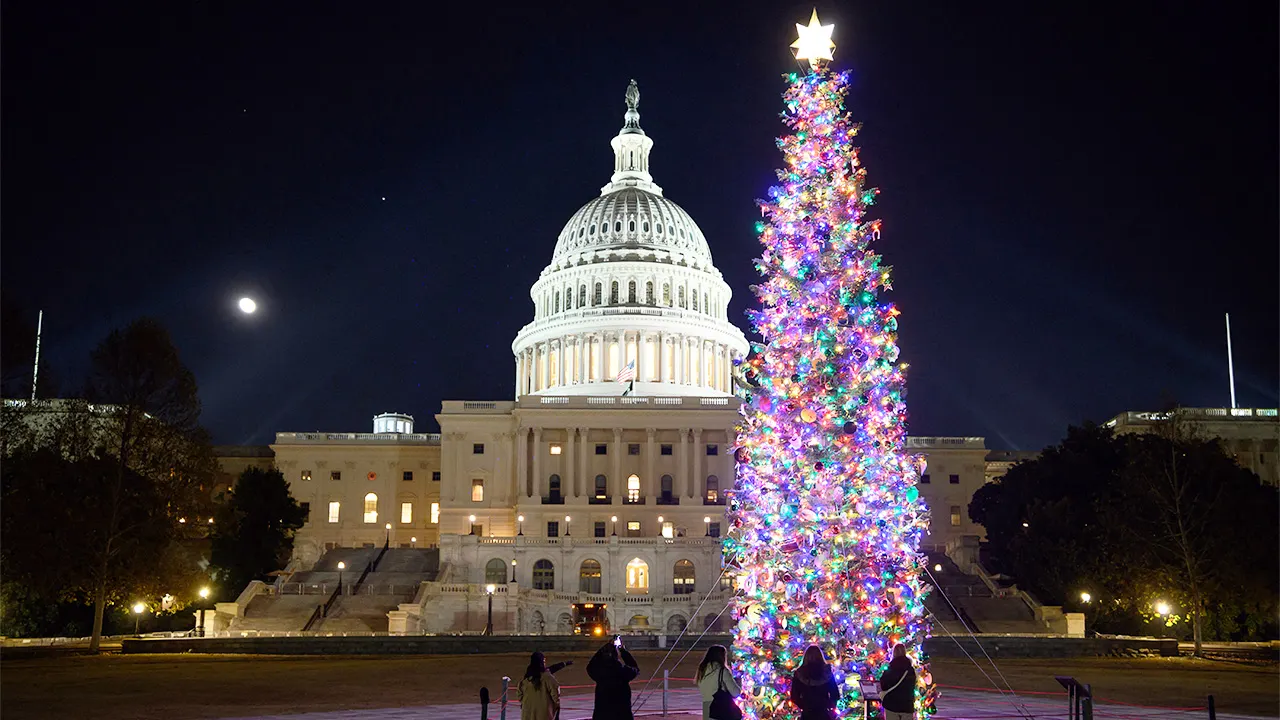
Lawmakers Share Their Heartfelt Holiday Traditions
As December’s chill settles over Washington D.C., the halls of Congress empty out as representatives return to their districts, exchanging political debates for family gatherings and cherished holiday traditions. While the nation’s capital becomes a ghost town, lawmakers from both sides of the aisle find themselves engaged in the universal experience of holiday celebration—a rare moment of common ground in today’s polarized political landscape.
For many representatives, the holidays center around food that tells their family story. Republican Congressman Byron Donalds embraces his cultural heritage with “Spanish bean soup and Cuban sandwiches” on Christmas Eve, a tradition that brings his family together before they spend Christmas Day relaxing and watching sports. Similarly, Democratic Representative Henry Cuellar from Texas begins his celebration by attending Christmas Mass, honoring the religious significance of the holiday before gathering with family around home-cooked meals. House Majority Leader Steve Scalise of Louisiana maintains Southern traditions with his family, particularly enjoying Cajun fried turkey as they open presents together—proving that regional flavors remain a strong connector to home, even for those who spend much of their year in Washington.
The holiday season brings out the playful side of these lawmakers, revealing the personalities behind the politics. Missouri Republican Eric Burlison lights up when describing his mother’s special Christmas scavenger hunt for her grandchildren, followed by a competitive Christmas bingo game for White Elephant gifts. With a smile, he shares how his brother mischievously “steals something from the house and then throws it in as one of the gifts,” creating moments of surprise and laughter when someone unwraps what turns out to be their own possession. These lighthearted traditions remind us that beneath their professional personas, representatives share in the same joy and family dynamics as their constituents.
For Democratic members like Representative Debbie Dingell of Michigan, the holidays highlight the importance of chosen family. Without emphasizing traditional family structures, she creates meaningful celebrations with friends and neighbors, baking and sharing Christmas cookies and hosting special holiday dinners with her college roommates and poker group. This approach reflects the changing nature of American households and demonstrates how the season’s spirit of togetherness transcends conventional family boundaries. Meanwhile, New Jersey Democrat Josh Gottheimer balances cultural traditions, lighting the menorah with his children for Hanukkah while also participating in community celebrations and charitable giving through local toy drives.
What emerges from these diverse stories is a tapestry of American holiday experiences that cross party lines and reflect the nation’s cultural diversity. Whether celebrating Christmas with religious reverence like Cuellar, maintaining cultural food traditions like Donalds, or blending religious observances with community engagement like Gottheimer, these lawmakers demonstrate how holiday traditions serve as anchors to their personal identities beyond their political roles. The variety of celebrations mirrors America itself—a nation of diverse backgrounds united by common themes of family, generosity, and reflection at year’s end.
Perhaps most striking about these holiday snapshots is how they humanize political figures often viewed through the lens of partisan conflict. In a political environment where differences are typically emphasized, these holiday traditions reveal shared values and experiences. As lawmakers exchange Capitol Hill for hometown gatherings, they reconnect with the communities they represent and the personal foundations that shaped them before they entered public service. These moments away from legislation and political maneuvering serve as important reminders that beneath policy disagreements lie individuals with families, traditions, and cherished memories—a perspective that might benefit our national discourse if carried back to Washington when the holidays conclude and the serious business of governance resumes in January.