



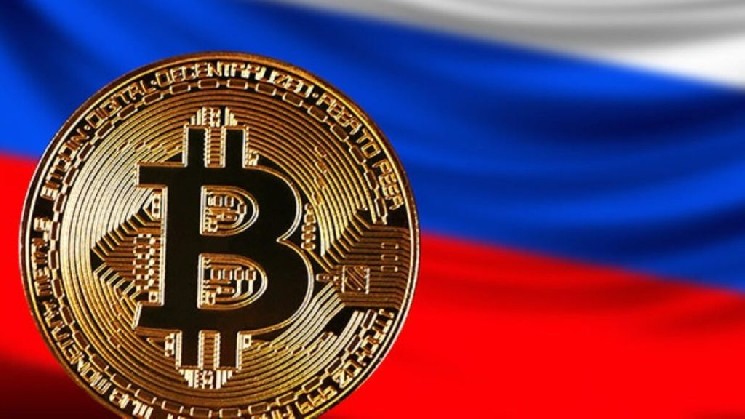
Russia Takes Bold Steps in Cryptocurrency Regulation with New Central Bank Framework
Russian Central Bank Unveils Comprehensive Cryptocurrency Regulatory Framework as Major Exchanges Signal Readiness
In a significant development for the cryptocurrency landscape in Russia, the Central Bank has introduced a detailed conceptual framework aimed at regulating Bitcoin (BTC) and other digital currencies. This move represents the latest in a series of efforts by Russian authorities to establish clear parameters for cryptocurrency operations within the country’s financial system, balancing innovation with oversight in an increasingly digital economy.
The newly published framework, which has been submitted to the government alongside proposed legal amendments, establishes a two-tier approach to cryptocurrency regulation that distinguishes between qualified investors and individual retail participants. This nuanced strategy reflects Russia’s evolving stance on digital assets, moving from earlier skepticism toward a more structured regulatory environment that acknowledges cryptocurrencies’ growing role in global finance while maintaining protective measures for ordinary citizens.
Tiered Investment Structure Creates Clear Boundaries for Market Participants
At the heart of the Central Bank’s proposal lies a carefully calibrated system that creates different investment thresholds based on investor classification. Individual investors will face an annual upper limit of 300,000 rubles (approximately $3,200) for cryptocurrency investments, a cap designed to protect retail participants from excessive exposure to volatile digital assets. In contrast, qualified investors—typically institutional entities or high-net-worth individuals meeting specific financial criteria—will enjoy unrestricted investment capabilities with the notable exception of privacy-focused cryptocurrencies, which remain subject to additional scrutiny due to concerns about transaction transparency and potential illicit use.
“The differentiation between investor categories represents a pragmatic approach to cryptocurrency regulation,” explains financial analyst Mikhail Petrov, who specializes in emerging market regulations. “By establishing these distinctions, the Central Bank acknowledges the legitimate place of cryptocurrencies in a modern financial portfolio while implementing guardrails for less experienced investors who might be vulnerable to market volatility and speculative risks.” This balanced approach signals Russia’s recognition that digital assets have become an established component of the global financial ecosystem rather than a passing phenomenon, requiring thoughtful regulation rather than prohibition.
Major Russian Exchanges Embrace Regulatory Clarity with Operational Readiness
In a clear vote of confidence for the regulatory framework, Russia’s two premier exchanges—the Moscow Stock Exchange (MOEX) and the St. Petersburg Stock Exchange (SPB)—have publicly declared their readiness to facilitate cryptocurrency trading once the proposed regulations take effect in 2024. This enthusiastic response from established financial institutions demonstrates the potential for mainstream integration of cryptocurrency markets within Russia’s traditional financial infrastructure, possibly accelerating adoption among both retail and institutional investors who have previously hesitated due to regulatory uncertainty.
“The Moscow Stock Exchange is actively working on solutions to serve the cryptocurrency market and plans to launch their circulation as soon as the relevant regulations come into effect,” announced MOEX representatives in an official statement, highlighting the exchange’s proactive stance. Similarly, the St. Petersburg Exchange confirmed its technological preparedness, stating, “We are ready to start trading cryptocurrencies after the necessary changes are made within the relevant legal framework. The SPB exchange has the appropriate technological infrastructure for transactions and payments.” These declarations underscore how traditional financial institutions are positioning themselves at the intersection of conventional finance and digital asset innovation, potentially transforming Russia’s cryptocurrency marketplace from a primarily unregulated space to one that operates within established financial channels.
Regulatory Evolution Reflects Changing Global Cryptocurrency Landscape
Russia’s regulatory approach represents part of a broader global trend toward establishing comprehensive frameworks for cryptocurrency oversight, joining jurisdictions such as the European Union, Singapore, and Japan in developing nuanced regulations that acknowledge cryptocurrencies’ legitimate use cases while addressing concerns about consumer protection, financial stability, and illicit activities. The Russian framework is particularly noteworthy for its attempt to integrate cryptocurrencies into the existing financial system rather than creating entirely separate regulatory structures, potentially making compliance more straightforward for institutions already familiar with securities regulations.
“What we’re witnessing is Russia’s adaptation to the inevitability of cryptocurrencies as financial instruments,” notes Dr. Elena Volkova, professor of financial technology at Moscow State University. “Rather than fighting this technological evolution, Russian authorities are seeking to channel it through regulated pathways that maintain sovereign oversight while enabling participation in global digital finance developments.” This pragmatic shift comes as numerous countries reconsider their approaches to cryptocurrency regulation, moving away from binary positions of outright prohibition or unrestricted acceptance toward more sophisticated frameworks that recognize the technology’s complexity and potential for both benefits and risks.
Looking Ahead: Implementation Challenges and Market Implications
As Russia prepares to implement this new regulatory framework in 2024, market participants and regulatory experts are closely monitoring several key aspects that will determine its effectiveness. Critical questions remain regarding enforcement mechanisms, cross-border transactions, and the technical infrastructure required for compliance monitoring. Additionally, the framework’s impact on Russia’s position in the global cryptocurrency ecosystem will depend on how these regulations compare with international standards and whether they facilitate or hinder cross-border cryptocurrency activities involving Russian entities.
The successful implementation of these regulations could position Russia as a significant player in the regulated cryptocurrency space, potentially attracting institutional investment and fostering innovation within established parameters. However, challenges remain, including technological requirements for exchange platforms, KYC/AML compliance processes, and potential conflicts with international sanctions regimes. As the cryptocurrency landscape continues to evolve globally, Russia’s regulatory approach represents an important case study in how traditional financial powers are adapting to the decentralized finance revolution, balancing national interests with the borderless nature of digital currencies. While this framework marks a significant step in cryptocurrency regulation, market participants are reminded that regulatory developments should inform, not determine, investment strategies in this dynamic and still-emerging asset class.