


Airline Seating Dilemma: When Personal Space Gets Too Personal
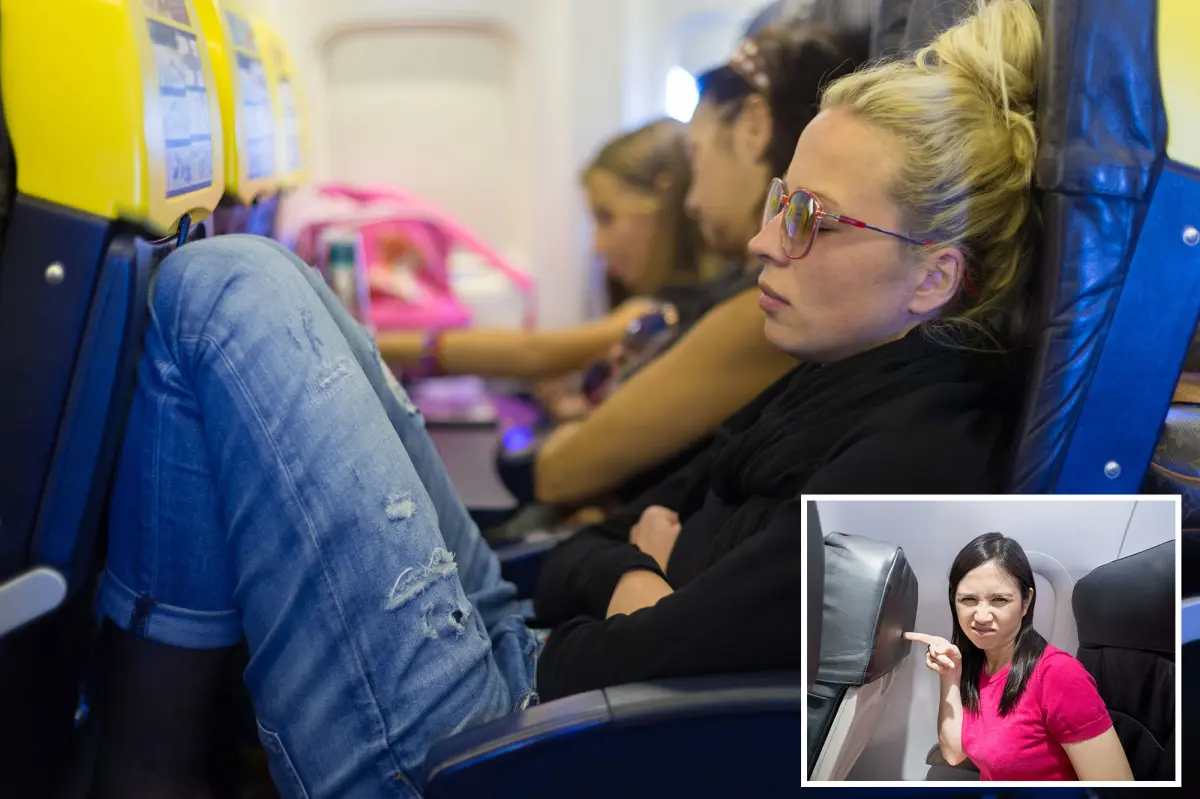
In an era of social media transparency, airline passengers are increasingly sharing their uncomfortable experiences of being cramped in tight airplane seats. These viral accounts have ignited intense discussions about airline policies, passenger rights, and the delicate etiquette of sharing confined spaces at 30,000 feet. From Reddit threads to TikTok videos, travelers document moments of being pressed against windows or armrests on packed flights, describing feelings of entrapment and even panic when neighboring passengers encroach on their space. One particularly resonant Reddit post detailed a cross-country flight during which the poster was “crushed against the side of the plane” after their middle-seat neighbor fell asleep. Despite attempts to reclaim their space, the passenger ultimately required flight attendant intervention—a situation that hundreds of commenters identified with from their own travel experiences.
The debate around passenger size and seating rights has become increasingly nuanced, with divided opinions on responsibility and solutions. Many travelers point to airline policies that technically require passengers to fit within their designated space with armrests down—United Airlines, for example, states that passengers “must be able to sit in their own seat with the armrests fully down, otherwise they need a second seat.” Yet enforcement remains inconsistent. Fellow travelers often advise addressing seating concerns during boarding rather than mid-flight, though many report airlines frequently fail to uphold their own guidelines. The conversation becomes particularly charged when videos specifically mention larger passengers, with comment sections splitting between those advocating for personal space rights and others cautioning against body shaming. As one commenter succinctly put it: “He paid for a seat and was crushed into two-thirds of it,” while another countered with: “Instead of shaming them, you should keep your opinion to yourself.”
These social media exchanges reflect the growing tension as airline seating continues to shrink while human bodies don’t. Jacqueline Whitmore, a Florida-based etiquette expert and former flight attendant, emphasizes that “the seats on airplanes seem to be getting smaller for everyone, which makes awareness essential.” She affirms a baseline expectation: “No one should be pressed, leaned on or crowded out of their seat.” Yet her advice acknowledges the complexity of the situation, suggesting that “when space becomes a problem and boundaries are crossed, the solution isn’t to suffer in silence.” Instead, she recommends addressing concerns “calmly, thoughtfully and appropriately”—an approach that recognizes both the discomfort of the squeezed passenger and the potential embarrassment of the space-occupying traveler.
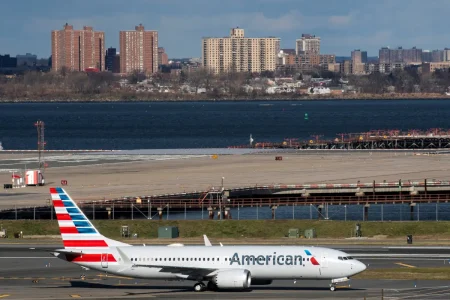
Major airlines have established policies to address these situations, though implementation varies widely. Both United Airlines and American Airlines note that passengers requiring additional space have options: booking an extra seat, upgrading to premium cabins with wider seating, or rebooking on flights with available space if necessary. The official policies state that all passengers must be able to sit comfortably within their assigned seats with armrests lowered. However, these policies also recommend addressing special seating needs well in advance of travel, acknowledging that same-day accommodations may be limited or impossible on fully booked flights. This advance planning requirement places the responsibility primarily on passengers who might need extra space, while providing little recourse for those who find themselves unexpectedly cramped after boarding.
The conversation around airline seating comfort touches on broader societal issues of accessibility, body diversity, and consumer rights. While airlines continue maximizing profit by squeezing more seats into aircraft, passengers of all sizes struggle with diminishing space. The standard economy seat width has shrunk from approximately 18.5 inches in the 1990s to around 17 inches today, with some budget carriers offering seats as narrow as 16 inches. Meanwhile, legroom has decreased by an average of 4 inches over the past few decades. These industry trends affect everyone but create particular hardship for taller or broader passengers. The issue raises questions about whether airlines should accommodate human diversity through more inclusive seating designs rather than placing the burden on passengers to fit themselves into increasingly restrictive spaces or pay significantly more for adequate accommodation.
As air travel remains an essential transportation mode for millions, finding equitable solutions becomes increasingly urgent. The social media testimonials highlight not just physical discomfort but emotional distress—passengers describe anxiety, embarrassment, and conflict arising from these cramped conditions. While airlines technically offer solutions through additional seat purchases, premium upgrades, or rebooking options, these alternatives often come with prohibitive costs that many travelers simply cannot afford. The ongoing debate reveals a fundamental tension between profit-driven airline business models and basic passenger comfort expectations. Until regulatory bodies step in with minimum space requirements or airlines voluntarily improve their seating configurations, travelers will likely continue sharing their experiences online, hoping that collective consumer pressure might eventually lead to more humane flying conditions for everyone—regardless of body size or financial means.