


Bukele Clashes with Clinton: A Controversy Over El Salvador’s CECOT Prison
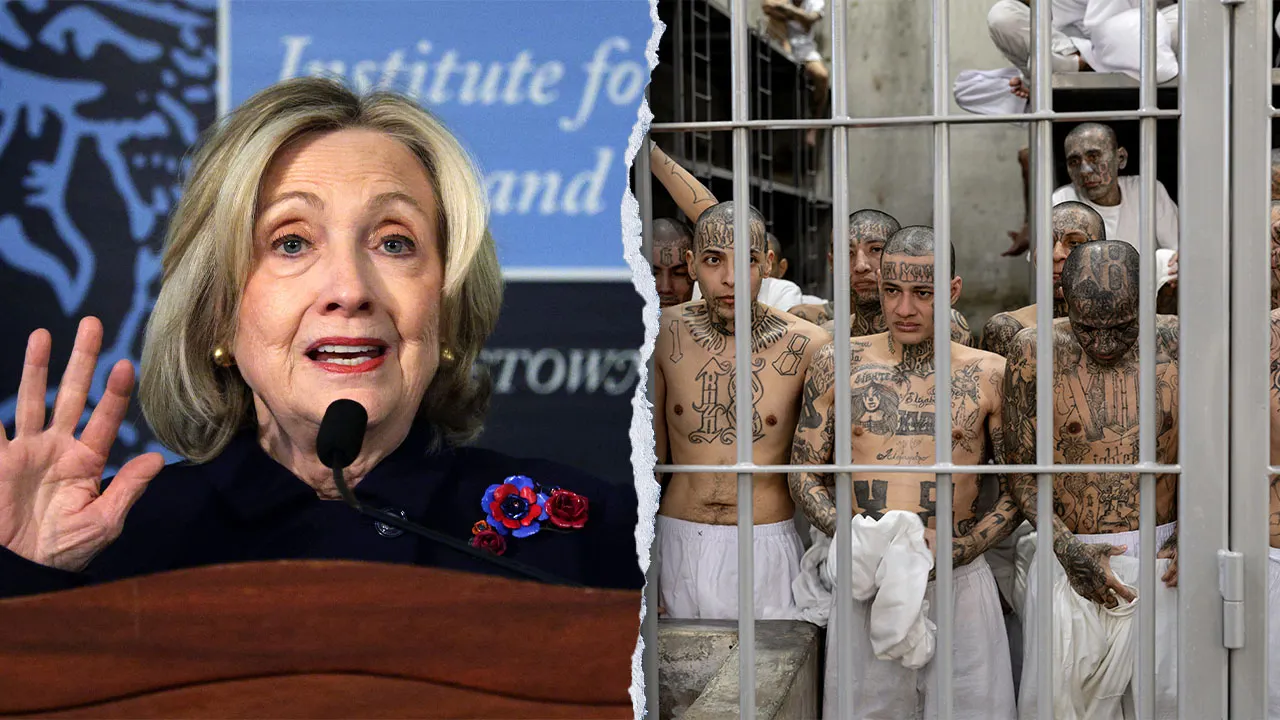
In a notable exchange on social media, El Salvador’s President Nayib Bukele and former U.S. Secretary of State Hillary Clinton found themselves at odds over the controversial Terrorism Confinement Center (CECOT). The dispute began when Clinton shared an 11-minute PBS Frontline documentary titled “Surviving CECOT,” which detailed the experiences of three Venezuelan men—Juan José Ramos Ramos, Andry Blanco Bonilla, and Wilmer Vega Sandia—who were deported to the maximum-security Salvadoran prison during the Trump administration. According to the documentary, these men were labeled as members of the dangerous Tren de Aragua gang, allegations they firmly deny. Clinton’s post appeared to question the evidence behind these gang designations and drew attention to what the documentary portrayed as harsh conditions within the facility that has become increasingly relevant in U.S. immigration discussions.
President Bukele’s response was both defiant and provocative. Rather than directly refuting specific allegations about prison conditions, he offered what appears to be a dramatic solution: “We are willing to release our entire prison population (including all gang leaders and all those described as ‘political prisoners’) to any country willing to receive them,” with the condition that “it must be everyone.” This bold statement seems designed to challenge critics while highlighting what Bukele perceives as hypocrisy from international observers. He suggested that if accusations about systemic problems at CECOT were true, there should be “a much larger pool of sources” willing to come forward, and that governments concerned about human rights violations should eagerly offer protection to these released prisoners. The exchange reveals the significant tensions surrounding CECOT, which has become a symbol of Bukele’s tough approach to crime and, more recently, a component in U.S. immigration enforcement.
The controversy touches on a complex arrangement between the Trump administration and El Salvador. As the U.S. faces challenges with deportations to Venezuela, which has refused to accept its citizens back, the administration turned to El Salvador as an alternative destination for Venezuelan migrants deemed to be gang members. This partnership aligns with President-elect Trump’s hardline immigration stance and Bukele’s crime-fighting reputation. CECOT itself has become notorious for housing gang members rounded up during Bukele’s crackdown on crime in El Salvador—a policy that has dramatically reduced the country’s murder rate but has drawn criticism from human rights organizations concerned about due process and detention conditions. The PBS documentary that sparked this exchange appears to question both the evidence used to designate migrants as gang members and the treatment they receive once deported to CECOT.
The diplomatic tension has escalated further with recent legal developments in the United States. A federal judge has ordered the Trump administration to provide due process to Venezuelan migrants deported to El Salvador in March, giving officials two weeks to detail their plans for compliance. This judicial intervention sets up what could become a significant clash between the White House and federal courts over immigration enforcement practices. Meanwhile, media coverage of CECOT continues to evolve, with CBS’s “60 Minutes” recently postponing a segment on migrant inmates at the facility. These developments suggest the story is still unfolding and may have implications for U.S. immigration policy and international relations as President-elect Trump prepares to take office.
Bukele’s defense of his country’s approach focuses on what he sees as a greater good: “El Salvador will continue prioritizing the human rights of the millions of Salvadorans who today live free from gang rule.” This perspective frames the tough security measures not as human rights violations but as necessary steps to protect the broader population from the violence and control of criminal organizations that once dominated Salvadoran society. The dramatic reduction in El Salvador’s murder rate under Bukele’s administration lends weight to this argument in the eyes of many Salvadorans and some international observers. However, organizations concerned with prisoner rights continue to question whether security improvements justify what they characterize as mass incarceration and potentially abusive conditions.
At its core, this exchange between Clinton and Bukele represents more than a disagreement about a single prison; it highlights fundamental tensions in approaches to security, justice, and migration. Bukele’s administration has embraced a security-first philosophy that prioritizes results—specifically, reduced crime rates—over concerns about process or individual rights of those accused of criminal activity. This approach has made him extraordinarily popular within El Salvador while drawing criticism internationally. Meanwhile, critics like Clinton appear concerned with individual due process rights and the potential for abuse in systems that prioritize security over legal protections. The controversy surrounding CECOT will likely continue as the Trump administration prepares to implement its immigration policies, potentially expanding deportations to El Salvador and other cooperative countries, while courts and human rights organizations push for greater transparency and procedural safeguards for those facing deportation.