


Silver’s Unprecedented Rally: How the Metal Outshined Gold and Bitcoin in 2025
The Perfect Storm: Understanding Silver’s Remarkable Rise
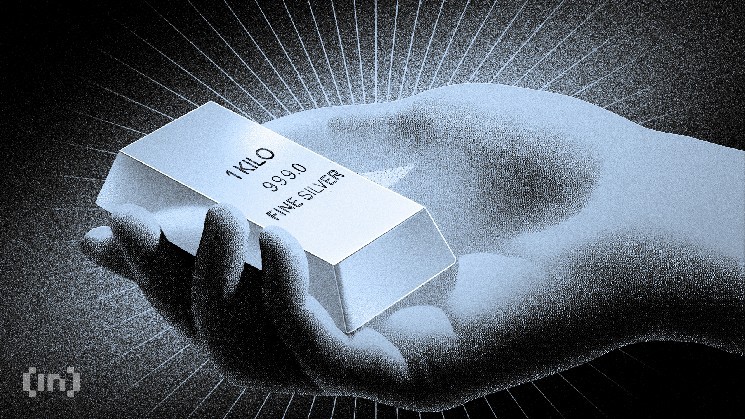
Silver emerged as the standout performer among major investment assets in 2025, delivering extraordinary returns that left both gold and traditional cryptocurrencies in its wake. By year-end, silver prices surged to approximately $71 per ounce, marking a staggering 120% increase from January levels. This exceptional performance wasn’t merely the product of market speculation or investor sentiment, but rather the culmination of several powerful forces converging simultaneously – creating what analysts describe as a “perfect storm” for the precious metal.
The silver market’s trajectory in 2025 represented a fundamental shift in how investors and industrial consumers view the metal. Starting the year at a relatively modest $29 per ounce, silver embarked on a steady upward climb that accelerated dramatically in the latter half of 2025. This momentum developed as widening supply deficits collided with unexpectedly robust industrial demand across multiple sectors. Meanwhile, gold delivered a respectable but comparatively modest 60% return, climbing from $2,800 to over $4,400 per ounce – impressive by historical standards yet significantly trailing silver’s performance.
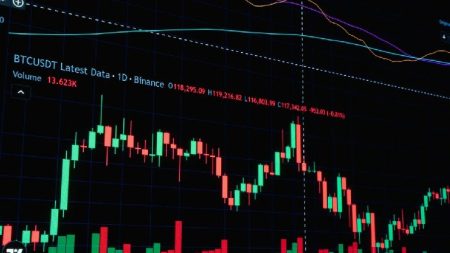
Bitcoin, long considered the digital alternative to precious metals, followed an entirely different pattern. While reaching an all-time high near $126,000 in early October, the cryptocurrency experienced a substantial reversal, ending December around $87,000. Unlike silver, Bitcoin struggled to maintain safe-haven inflows during periods of heightened market volatility, particularly in the fourth quarter when risk-off sentiment dominated financial markets. This divergence underscored a key difference between digital assets and physical metals in 2025’s macroeconomic landscape.
Economic Catalysts: Monetary Policy and Industrial Renaissance
The macroeconomic environment of 2025 created ideal conditions for silver’s exceptional performance. The U.S. Federal Reserve’s pivot toward monetary easing delivered multiple interest rate cuts throughout the year, pushing real yields lower and weakening the dollar – conditions historically favorable for precious metals. Yet unlike gold, which primarily responds to monetary factors, silver’s industrial applications allowed it to simultaneously benefit from ongoing economic expansion, creating a powerful dual catalyst for price appreciation.
“Silver uniquely combines monetary protection with direct exposure to global electrification and defense spending,” noted veteran commodities analyst Peter Brandt, who highlighted the metal’s technical breakout above the psychologically important $50 level – a threshold that had twice rejected silver’s advances in 1981 and 2011. This breach of long-term resistance suggested a fundamental revaluation of silver’s role in the modern economy and financial system.
The energy transition emerged as perhaps the most significant driver of industrial silver demand. Solar power installations continued their global expansion, with each gigawatt of new capacity requiring substantial silver inputs for photovoltaic cells. This consistent source of physical demand helped stabilize silver prices during brief periods of investment outflows. Importantly, 2025 marked the fifth consecutive year of silver market deficits, as mining production – predominantly a byproduct of base metal operations rather than dedicated silver mines – struggled to keep pace with accelerating consumption across multiple industries.
The Electrification Revolution: EVs Transform Silver Demand Dynamics
Among the most transformative developments in the silver market was the accelerating adoption of electric vehicles worldwide. Each new EV requires between 25 and 50 grams of silver – approximately 70% more than traditional internal combustion vehicles – creating significant incremental demand as global EV sales continued their double-digit growth trajectory throughout 2025. This automotive-related consumption wasn’t simply a temporary phenomenon but represented structural demand that analysts expect to persist for decades.
“Industrial demand, particularly from solar and electric vehicles, continues to rise steadily,” explained precious metals specialist GoldSilverHQ. “What’s fascinating is that most industrial users aren’t price-sensitive about silver, since it represents only a small component cost in their final products.” This inelasticity of industrial demand created an unusual market dynamic where rising prices failed to trigger the typical demand destruction seen in other commodity markets.
The EV revolution extended beyond vehicles themselves. The rapid expansion of charging infrastructure added another layer of silver consumption, with high-power fast chargers utilizing significant quantities of the metal in power electronics and connectors. Perhaps most intriguing were developments in battery technology, with Samsung’s announcement of silver-carbon battery production beginning in 2027 – a technology that could require approximately one kilogram of silver per vehicle, potentially representing a step-change increase in automotive demand in coming years.
National Security Dimensions: Defense Spending Tightens the Silver Market
A less visible but increasingly significant factor in silver’s stellar performance was the surge in defense-related consumption. Modern weapons systems heavily rely on silver for guidance electronics, radar systems, secure communications equipment, and unmanned aerial vehicles. Unlike consumer electronics, where silver can potentially be recycled, military applications often result in complete consumption – particularly in the case of expended munitions, where high-silver-content components are effectively removed from the market permanently.
Global military spending reached unprecedented levels in 2025 amid ongoing conflicts in Ukraine and the Middle East. The United States, European nations, and Asian powers all substantially increased procurement of advanced weapons systems, quietly absorbing significant physical silver supplies. This defense-related demand created unique market dynamics, as governments prioritized securing strategic materials regardless of price considerations.
The geopolitical dimension extended beyond direct military consumption. Trade fragmentation and supply chain concerns prompted several governments to reclassify silver as a strategic material, recognizing its critical role in both civilian and military technologies. This policy shift triggered increased stockpiling efforts and created what market analysts described as a “rare feedback loop” – where geopolitical tensions simultaneously boosted both investment demand for silver as a safe haven and actual physical consumption for national security purposes.
Investment Implications: Silver’s Monetary and Industrial Convergence
The investment case for silver strengthened throughout 2025 as market participants increasingly recognized the unique convergence of monetary and industrial drivers supporting the metal. Unlike gold, which functions primarily as a monetary hedge but lacks significant industrial applications, silver benefited from both declining real interest rates and accelerating physical demand across multiple sectors. This combination allowed silver to significantly outperform its more famous precious metal cousin on a percentage basis.
Financial commentator Peter Schiff drew historical parallels, noting: “The rise in gold and silver prices from 2001 through 2008 was a sign of a major Fed policy error and a harbinger of the 2008 financial crisis. The current rally that began in 2024 is signaling a bigger policy error that will have even more profound consequences for the U.S.” This perspective highlighted silver’s role as both a monetary indicator and potential protection against policy missteps.
The sustainability of silver’s outperformance became a central question for investors positioning for 2026. Technical analyst Rashad Hajiyev identified immediate price targets in the $75-80 range, observing that many investors remained “in denial” about the structural shift in silver market fundamentals. This sentiment was echoed across the investment community, with growing recognition that silver’s rally represented more than a temporary speculative surge but rather reflected deep structural changes in how the global economy consumes and values the metal.
Outlook for 2026: Sustained Outperformance or Reversion?
Looking ahead to 2026, the fundamental factors that propelled silver’s exceptional 2025 performance appear largely intact. The transition to renewable energy continues to accelerate globally, with solar installations projected to expand at double-digit rates. Electric vehicle adoption is likewise gaining momentum across major automotive markets. Defense budgets show no signs of contraction amid persistent geopolitical tensions. These demand drivers are operating against a backdrop of constrained supply, as new mining projects face lengthy development timelines and environmental hurdles.
The supply-demand imbalance could potentially widen further in 2026. Primary silver mining projects remain limited, with most new production continuing to come as a byproduct of base metal operations. Recycling efforts, while growing, cannot fully offset the increasing amounts of silver being consumed in unrecoverable applications like defense systems. This fundamental tightness in physical markets provides a solid foundation for sustained price support, even if investment demand moderates.
For investors considering asset allocation decisions, silver’s demonstrated ability to outperform during periods of monetary easing, industrial transformation, and geopolitical uncertainty makes a compelling case for continued exposure. While both gold and Bitcoin maintain their respective investment theses, neither offers silver’s unique combination of monetary protection and direct participation in the electrification revolution reshaping the global economy. As one market commentator succinctly observed, “Silver’s 2025 rally was not a one-off speculative spike. It reflected deep structural changes in how the global economy consumes the metal.” This fundamental transformation suggests silver’s outperformance relative to both traditional and digital alternatives could extend well into 2026 and potentially beyond.