



The Rise of Elara: How AI’s Favorite Baby Name Might Change Parenting Trends
In a surprising twist of digital influence, artificial intelligence has quietly crowned a new favorite baby name that’s poised to challenge traditional favorites like Emma and Liam. Elara—melodic, vowel-rich, and virtually untethered to existing cultural associations—has emerged as the unexpected darling of AI-generated content across platforms. Naming expert Laura Wattenberg recently captured attention with her viral blog post declaring Elara as the “must-have baby name of 2025,” noting its unique position as “an extremely rare name in the human world” yet “a smash hit” in AI-generated narratives. The name’s meteoric rise within algorithmic content creation represents a fascinating case study in how technology might subtly influence human naming conventions in ways we’ve never seen before, creating a new intersection between digital trends and deeply personal family decisions.
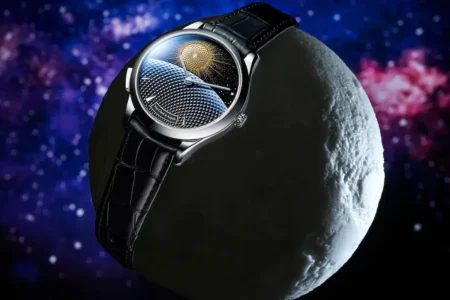
What makes Elara so appealing to artificial intelligence? The name possesses qualities that seem tailor-made for digital adoption—flowing easily with its alternating consonant-vowel pattern, carrying subtle connections to both Greek mythology and astronomy (as one of Jupiter’s moons), and remaining refreshingly unburdened by strong cultural associations or stereotypes. Wattenberg describes encountering the name repeatedly across diverse AI outputs, from ChatGPT responses to math word problems to fictional narratives. “They populate every writing genre,” she observed, highlighting how Elara has become something of a default character name in what she playfully terms “AI slop”—the endless stream of machine-generated content flooding digital spaces. This prevalence suggests that somewhere in the complex web of training data and algorithmic preferences, this particular combination of letters has emerged as ideally suited to AI’s conception of an appealing human name.
The phenomenon extends beyond mere digital curiosity and into the realm of potential cultural influence. While New York City’s current top baby name charts still feature familiar favorites like Mia, Noah, Emma and Liam—with Elara notably absent—the dynamic between technological suggestion and human adoption raises fascinating questions about future naming trends. Traditional influences on baby names have included family heritage, cultural touchpoints, celebrity choices, and general sound preferences. Now, we may be witnessing the emergence of a new influencer: artificial intelligence itself. As AI-generated content becomes increasingly integrated into daily life—from children’s educational materials to entertainment—names that algorithms favor could subtly seep into human consciousness, gradually normalizing options that might previously have seemed unusual or obscure.
Interestingly, Elara already has its human champions, suggesting a pre-existing alignment between AI preferences and evolving parental tastes. Across Reddit discussions predating Wattenberg’s viral post, expectant parents have expressed admiration for the name, with one commenter noting, “Good friends of mine have a 3-year-old named Elara Iris. It’s a pretty name. I had never heard it before.” Others have highlighted its international appeal and pleasing sound qualities. The name’s connections to mythology and astronomy haven’t gone unnoticed either, with one parent suggesting these associations “could make for fun nursery decor.” Some even appreciate its fantastical undertones, describing it as having witch-like or fairy-like qualities—drawing parallels to “Elora Danan” from the beloved 1988 fantasy film “Willow.” These organic discussions suggest that Elara occupies a sweet spot between uniqueness and approachability that appeals to modern naming sensibilities.
The potential rise of Elara represents more than just another naming trend—it offers a window into how artificial intelligence might subtly shape human culture in unexpected ways. Unlike explicit recommendations or targeted marketing, the prevalence of certain names in AI-generated content creates a form of passive influence that operates beneath conscious awareness. Parents exposed to the name Elara across multiple contexts might find themselves drawn to it without recognizing the technological origin of their familiarity. This mechanism differs from traditional naming influences like celebrity choices or cultural heritage because it operates through ambient exposure rather than direct emulation. If Elara does indeed make the leap from AI favorite to birth certificate staple in coming years, it may signal a new chapter in how technology shapes deeply personal human choices through subtle, distributed influence rather than direct intervention.
While some might view this potential influence with concern, seeing it as another example of technology encroaching on human autonomy, others might recognize it as simply the latest evolution in the complex social ecosystem that has always shaped naming practices. Throughout history, names have risen and fallen with cultural touchpoints—from biblical references to literary characters to music icons. Perhaps AI-favored names represent merely another contributor to this ongoing conversation, one that reflects something meaningful about our current technological moment. The case of Elara demonstrates how artificial intelligence, rather than imposing entirely foreign preferences, might instead amplify emerging human tastes that already exist at the margins of popular culture, accelerating their movement toward mainstream acceptance.
As we look toward 2025 and beyond, the story of Elara invites contemplation about the evolving relationship between human culture and the technologies we create. Whether this particular name breaks through to become a genuine naming trend or remains a curious digital phenomenon, it highlights the increasingly blurred boundaries between algorithmically-generated content and human creative expression. Parents facing the profound responsibility of naming a child now navigate a landscape where digital influences subtly shape perceptions of what sounds fresh, appealing, and meaningful. In this context, Elara stands as both a beautiful name in its own right and a fascinating harbinger of how future generations might be named—at the intersection of ancient mythologies, celestial bodies, parental intuition, and yes, the quiet suggestions of artificial minds working to understand and reproduce human patterns of meaning-making.