



The Bipartisan Struggle to Save Obamacare Subsidies
As Obamacare subsidies reach their expiration date, millions of Americans face potential increases in their healthcare costs due to congressional inaction. Despite months of debate since September, including during the longest government shutdown in history, lawmakers failed to pass either Republican or Democratic proposals to address the expiring Biden-era enhanced tax credits. The impact of this expiration will vary widely by state, leaving many families uncertain about their future healthcare affordability. However, amid the partisan gridlock that has defined this issue, a small group of senators from both parties is quietly working to craft a compromise solution for when Congress reconvenes in the new year.
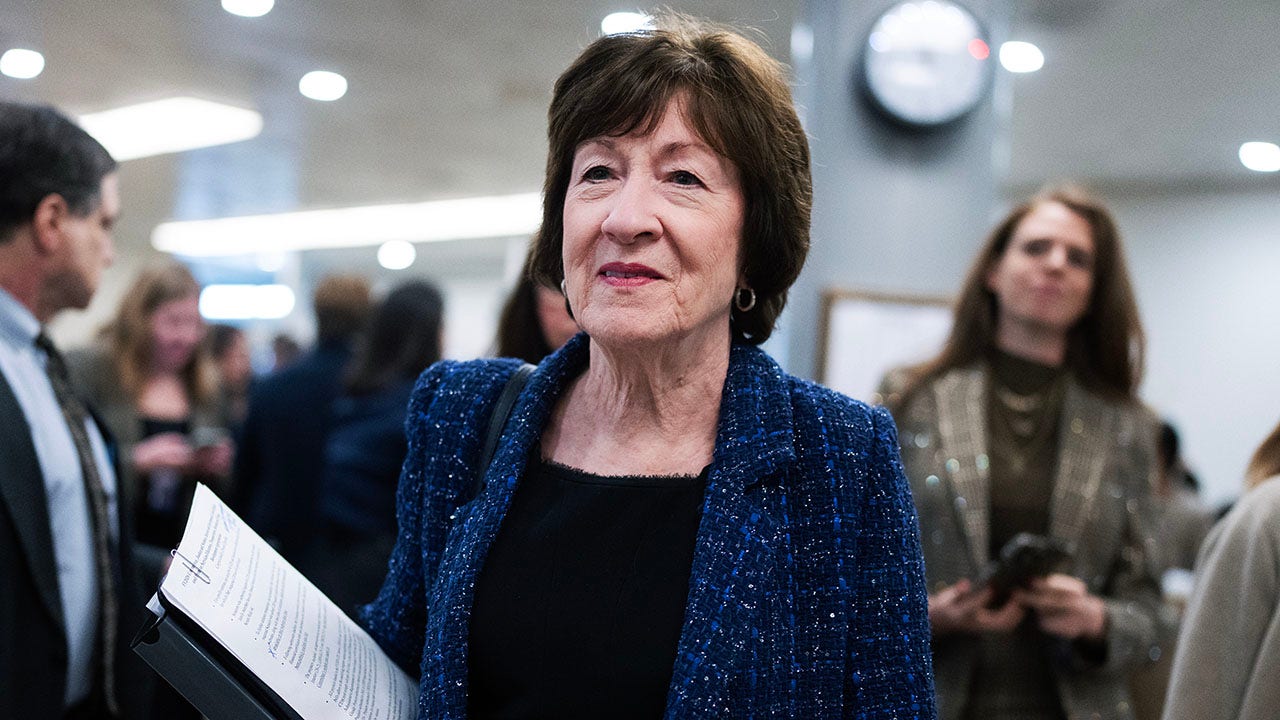
Leading this bipartisan effort are Senators Susan Collins (R-Maine) and Bernie Moreno (R-Ohio), who recently convened discussions with colleagues from across the political spectrum. Their meetings, lasting nearly two hours, focused on developing a framework that could satisfy both parties’ core concerns. “We have some momentum to enact a bipartisan bill that includes reforms,” Senator Collins noted, highlighting the progress made during these discussions. The preliminary proposal from Collins and Moreno would extend the subsidies for two years while implementing an income cap for households making up to $200,000 and requiring a minimum $25 monthly payment to prevent fraud and eliminate zero-cost premiums. This approach attempts to balance Democratic desires for continued subsidy access with Republican demands for financial guardrails and anti-fraud measures.
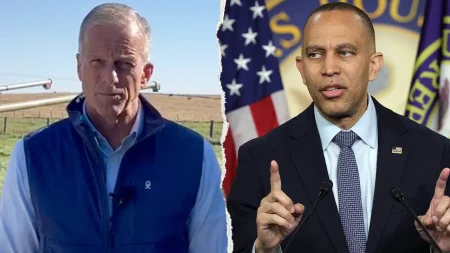
The path forward remains complicated by significant political hurdles. Senate Republicans largely oppose extending the subsidies without substantial reforms and a clear plan to eventually phase them out. Many conservatives argue that the current subsidies are vulnerable to fraud and primarily benefit insurance companies rather than patients directly. Meanwhile, Democrats generally prefer a clean, multi-year extension with minimal changes to the existing structure. Adding to the complexity, House Democrats, joined by a handful of Republicans, have forced a vote on their own extension plan expected to take place next month. This move has altered the dynamics of Senate negotiations, though Senate Majority Leader John Thune (R-S.D.) remained noncommittal about whether such a bill would receive consideration in the upper chamber.
Some Republicans view the House developments as potentially beneficial to the broader healthcare discussion. Senator John Kennedy (R-La.) acknowledged that pressure from the House “isn’t a bad thing” and expressed his readiness to engage on healthcare policy, though he remains skeptical about Democrats’ willingness to embrace meaningful reforms rather than simply extending existing subsidies. The House plan more closely resembles Senate Democrats’ preferred approach—a three-year extension of subsidies without major structural changes—which already failed to pass earlier this month. Senator Ron Wyden (D-Ore.) views the House effort positively, stating, “I think it is [progress], because what we have felt all along is the only timely tool is the tax credits.”
The stakes in this debate extend far beyond political calculations. For millions of Americans who rely on these subsidies to afford health insurance, the outcome will have direct and significant impacts on their financial well-being and access to healthcare. The enhanced subsidies, implemented during the Biden administration, have helped make coverage more affordable for individuals and families across income brackets. Without an extension, many could see their premiums increase substantially, potentially forcing difficult decisions between maintaining health coverage and meeting other essential needs. The varying impact by state adds another layer of complexity, as residents in different regions could experience wildly different cost increases depending on their local insurance markets and state-level healthcare policies.
As lawmakers prepare to return in January, the clock is ticking to find a solution that can navigate the complex political landscape. The bipartisan working group led by Senators Collins and Moreno represents perhaps the best hope for a compromise that can secure enough votes to pass both chambers. Their challenge will be crafting legislation that provides continuity for Americans depending on these subsidies while incorporating sufficient reforms to satisfy Republican concerns about fiscal responsibility and program integrity. Whether this quiet, behind-the-scenes effort can succeed where more public, partisan approaches have failed remains to be seen, but for millions of Americans facing healthcare cost increases, the outcome of these negotiations will have real and immediate consequences for their family budgets and health security.