



Offshore Wind Projects Paused Over National Security Concerns
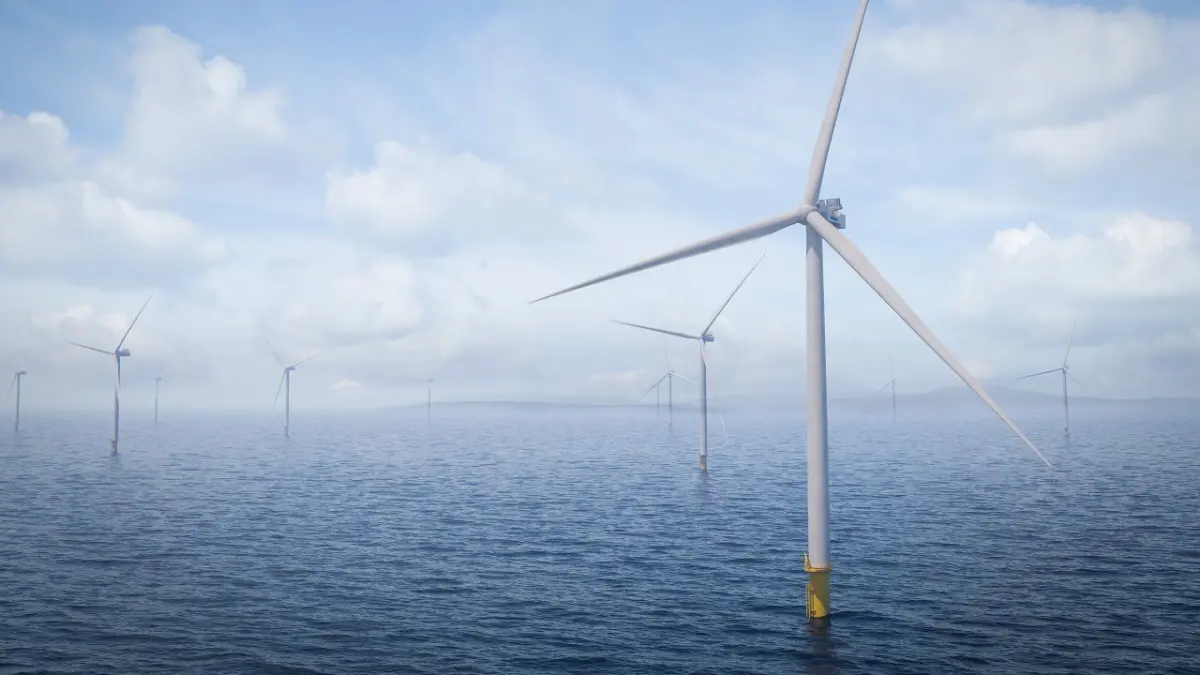
The landscape of renewable energy in the United States faced a significant setback on Monday when the Interior Department announced an immediate pause on five major offshore wind farm projects. This decision comes following classified reports from the Department of War identifying national security risks associated with these installations. The suspended projects include several high-profile developments along the East Coast: Vineyard Wind 1, Revolution Wind, and Sunrise Wind in the Rhode Island area, a commercial wind farm off Virginia, and the Empire Wind project near New York City. Many of these projects had previously received substantial support from the Biden administration, either through funding initiatives or regulatory approvals designed to accelerate America’s transition to clean energy.
The security concerns primarily revolve around radar interference issues that have been documented in unclassified reports. These documents highlight how the massive turbine blades and highly reflective towers of wind farms create what experts call “clutter” on radar systems. This interference can trigger false alarms in military and civilian monitoring systems, potentially compromising the nation’s ability to detect genuine threats. Perhaps more concerning is the revelation that in certain scenarios, these radar systems might completely miss actual targets due to the disruption caused by the wind farm structures. This technical limitation presents a serious challenge for national defense infrastructure, particularly in coastal areas where early warning systems are crucial.
In making the announcement, Interior Secretary Doug Burgum emphasized the government’s primary responsibility to ensure the safety of American citizens. “The prime duty of the United States government is to protect the American people,” Burgum stated, framing the decision as a necessary precaution rather than a rejection of renewable energy principles. The Secretary further explained that the pause addresses “emerging national security risks, including the rapid evolution of relevant adversary technologies,” suggesting that the threat landscape has evolved since these projects were initially approved. The particular concern appears to be the vulnerability created by having large-scale energy infrastructure near major population centers along the East Coast.
The decision reflects a complex balancing act between advancing renewable energy goals and maintaining national security imperatives. These offshore wind projects represent billions of dollars in investment and were expected to create thousands of jobs while significantly reducing carbon emissions. The Vineyard Wind project alone was designed to generate enough electricity to power over 400,000 homes and businesses. The Revolution Wind project would have been the first utility-scale offshore wind farm in Rhode Island waters, while Empire Wind was positioned to be a cornerstone of New York’s ambitious climate goals. These projects collectively formed a crucial component of the broader strategy to achieve carbon neutrality in the power sector within the coming decades.
This pause comes at a challenging time for the offshore wind industry, which has already been facing economic headwinds due to inflation, supply chain constraints, and rising interest rates. Several developers had recently canceled or scaled back projects due to economic viability concerns, and this new security-related pause adds another layer of uncertainty. Energy analysts note that while the security concerns are legitimate, the timing and comprehensive nature of the suspension raise questions about the administration’s commitment to renewable energy targets. Environmental advocates have expressed frustration, arguing that the pause could set back crucial climate initiatives at a time when accelerating the transition away from fossil fuels is increasingly urgent.
The future of these projects now remains uncertain as government agencies work to address the security vulnerabilities. Technical solutions may include modifications to the wind farms’ designs, enhanced radar systems capable of filtering out turbine interference, or potentially relocating certain installations to areas with less strategic significance. However, implementing such solutions will require significant time and additional investment, potentially altering the economic calculations that made these projects viable in the first place. This situation highlights the complex interplay between national security, environmental priorities, and economic considerations that policymakers must navigate as the nation works toward its energy transition goals. As one analyst noted, “This pause doesn’t necessarily mean the end of offshore wind in America, but it certainly complicates the path forward and reminds us that even renewable energy comes with complicated trade-offs.”