


Rising Tensions and Tragic Consequences in Australia
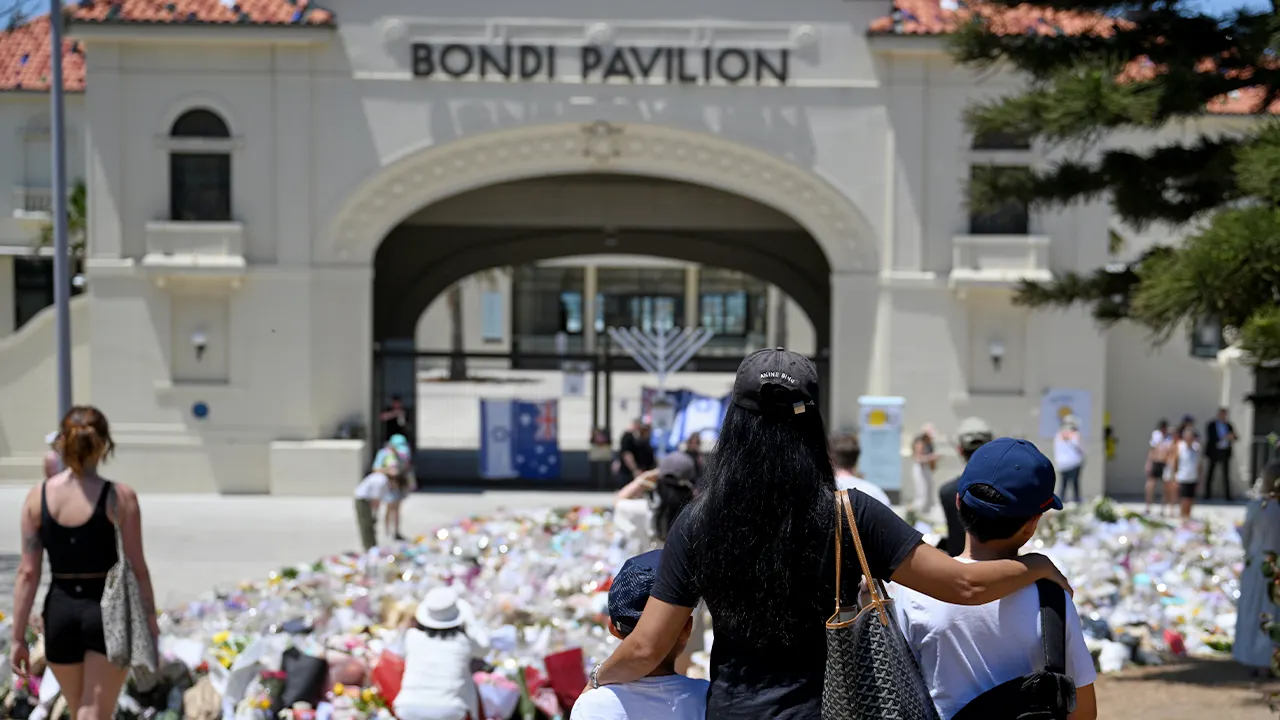
In an exclusive interview from Sydney, former Australian Treasurer and Member of Parliament Josh Frydenberg shared his deep concerns about the factors behind Australia’s worst-ever terrorist attack at Bondi Beach. Speaking with raw emotion, Frydenberg pointed to a troubling combination of Islamic extremism, government inaction, and insufficient security screening for migrants from Middle Eastern regions as key contributors to the tragedy that claimed 15 innocent lives. “While guns may have stolen the lives of the 15 innocent souls killed at Bondi Beach, it was actually radical Islam which pulled the trigger,” he stated, clearly frustrated that the government’s response has primarily focused on weapons rather than addressing the underlying ideology that motivated the violence. He expressed particular concern about Australia’s immigration policies, noting that “thousands of people” have been admitted from what he termed “terrorist hotspots” in the Middle East without adequate security checks, creating a situation where some residents do not share the same commitment to democratic ideals that most Australians hold dear.
The interview comes at a critical moment as Prime Minister Anthony Albanese moves to strengthen Australia’s already strict gun laws, announcing plans for a national gun buyback program and additional firearms restrictions in response to the massacre. However, Frydenberg believes these measures miss the mark and avoid confronting deeper issues that have been brewing for years. He argues that Australia must take more decisive action against hate speech and extremism, specifically calling out the government’s reluctance to ban organizations like Hezbat al-Tahrir, which remains legal in Australia despite being banned in countries like the United Kingdom, Germany, and even in what he described as “moderate Islamic states.” This failure to address extremist groups directly, Frydenberg suggests, has contributed to an environment where violence can flourish. “The government needs to do a lot more to tackle the hate preachers, to tackle the organizations that are spreading that hate and to ensure that they prosecute those people who are inciting violence,” he emphasized, making it clear that he believes the current approach is insufficient.
The safety of Jewish Australians has deteriorated dramatically according to Frydenberg, who delivered perhaps his most sobering assessment when he stated bluntly, “Australia is unsafe for Jewish people right now.” He described an alarming escalation in antisemitic incidents since October 7, 2023, painting a picture of a community under siege. The former treasurer detailed a disturbing list of recent events: Jewish artists being doxxed, businesses facing boycotts, synagogues and childcare centers being firebombed, and universities transforming from educational sanctuaries into what he termed “hotbeds of hate” where Jewish students and staff face harassment, intimidation, and violence. These aren’t distant concerns for Frydenberg – they touch his personal life directly, as he later revealed in an emotional exchange during an ABC interview that went viral for its raw intensity. “My children go to a school where there are armed guards outside,” he shared. “When I visit a Jewish Aged Care Center, there are armed guards outside. When I send my kids to Jewish sporting clubs, there are police cars out there and police tape. How should we live with this? Why should we live with this?”
That television interview gained significant attention after Frydenberg bristled at what he perceived as an attempt to frame his criticisms of the government as politically motivated. When anchor Sarah Ferguson questioned whether his comments should be viewed through a political lens, Frydenberg responded with visible emotion: “I’m deeply offended by what you just said. That is an insult. That is an insult to say that there’s any political motivation in this.” The exchange highlighted the deeply personal nature of these security concerns for many in Australia’s Jewish community, transcending typical political divisions. Speaking to Fox News Digital, Frydenberg explicitly rejected any partisan framing, insisting that “This is not a partisan issue. This is a leadership issue. This is about the safety and the security and the soul of Australia.” His words underscored his belief that the protection of all Australians from extremism should be a unifying concern across the political spectrum.
The interview paints a picture of a nation struggling to confront complex social and security challenges. While gun control measures may address the immediate instrument of violence, Frydenberg’s comments suggest a more fundamental reckoning is needed with the ideological currents flowing through Australian society. His concerns about insufficient vetting of migrants from conflict regions echo debates happening across many Western democracies about how to balance humanitarian commitments with security imperatives. Similarly, his alarm about rising antisemitism mirrors troubling trends seen globally since the outbreak of the Israel-Hamas conflict in October 2023. Yet Frydenberg’s perspective also raises difficult questions about how societies should respond to extremism while protecting civil liberties and avoiding stigmatization of entire communities – questions that democracies worldwide continue to wrestle with in the face of terrorist threats.
Ultimately, Frydenberg delivered a clear message about his expectations for the Albanese government moving forward. “They won’t be judged by their words,” he stated firmly. “They’ll only be judged by their actions, and they’ll need to do a lot more than they’ve announced today in order to turn the situation around.” His comments reflect a demand for comprehensive action that addresses not just the symptoms of extremism but its root causes. As Australia continues to process the trauma of the Bondi Beach attack and debates the appropriate policy responses, Frydenberg’s interview serves as a poignant reminder of the human cost of these issues. Behind the political discussions are real families like his own, navigating a world where sending children to school or visiting elderly relatives means passing armed guards and police tape – a reality that many Australians find increasingly unacceptable and unsustainable in a society that prides itself on openness and inclusion.