



The Complicated Narrative of Underdogs in College Football’s Playoff System
In March Madness basketball, we celebrate the underdog story—those magical moments when small schools rise up to challenge basketball powerhouses, occasionally pulling off stunning upsets that become the stuff of sports legend. The Cinderella narrative has become a beloved tradition in NCAA basketball, giving fans a reason to cheer for teams they’d never heard of before tournament brackets were released. There’s something universally appealing about watching David take on Goliath, especially when David sometimes wins.
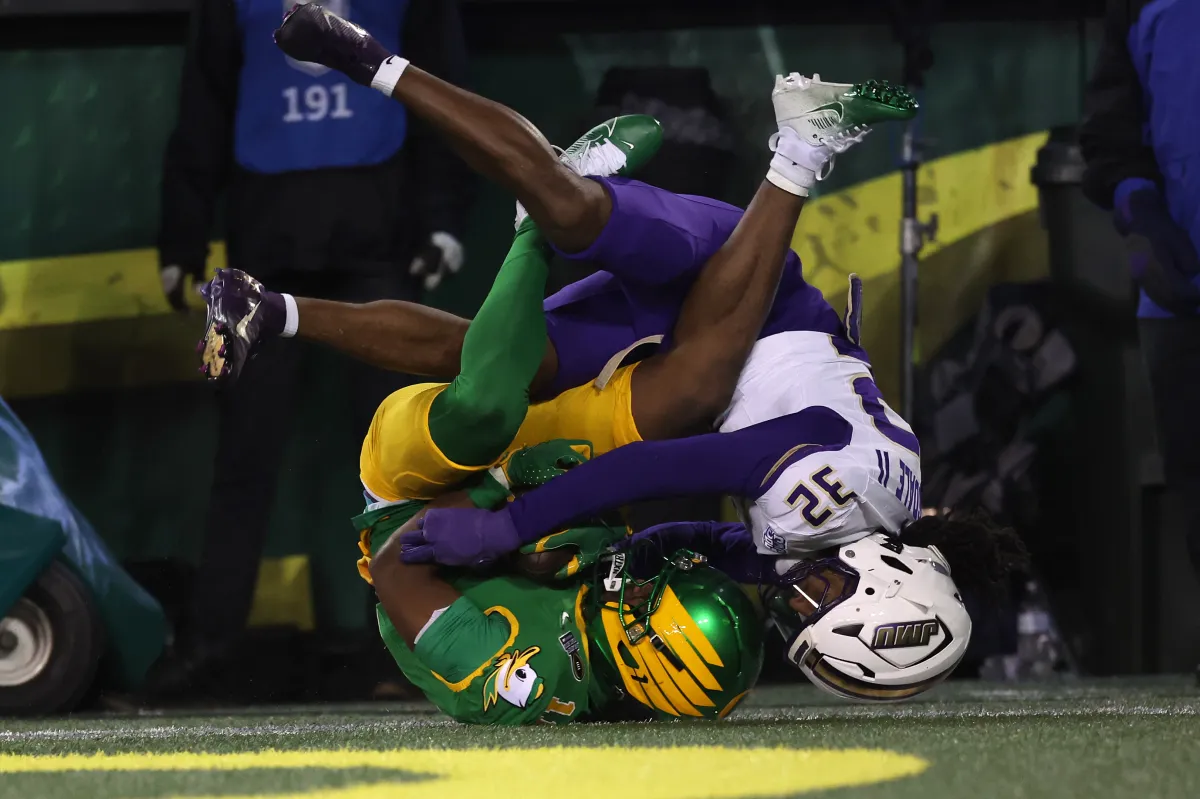
However, as Saturday’s College Football Playoff games demonstrated, this underdog narrative doesn’t translate as smoothly to college football. After an exciting Miami versus Texas A&M contest that concluded with a dramatic last-second interception giving the Hurricanes the victory, viewers then witnessed two consecutive blowouts involving Group of Five (G5) schools. Tulane and James Madison, representatives from conferences outside the traditional Power Five, were thoroughly dominated on the national stage. These weren’t inspirational underdog stories—they were lopsided affairs that raised questions about the expanded playoff format and competitive balance in college football.
The social media reaction was swift and often cutting. LSU coach Lane Kiffin offered a terse one-word response as he watched Ole Miss (his former team) and Oregon handily defeat their G5 opponents. Barstool Sports’ Brandon Walker didn’t mince words in criticizing the playoff system, while ESPN’s Ryan Clark and CBS Sports’ Tom Casale joined the chorus of voices questioning whether these matchups belonged in a championship tournament. The commentary highlighted a growing concern: unlike basketball, where smaller programs can genuinely compete with elite teams in a single game, football’s disparities in resources, recruitment capabilities, and athletic development often create insurmountable gaps between the sport’s tiers.
The reality behind these blowouts reflects the stark economic divide in college athletics. Power Five programs benefit from massive television contracts, boosters with deep pockets, and state-of-the-art facilities that give them significant advantages in recruiting top talent and developing players. When commentators referred to “bigger, faster, more well-paid athletes” dominating “plucky kids whose coaches are leaving for bigger schools,” they were acknowledging the uncomfortable truth about college football’s financial hierarchy. G5 programs like Tulane and James Madison operate with fractions of the budget of their Power Five counterparts, creating a competitive imbalance that’s difficult to overcome regardless of heart or determination.
Yet amidst the criticism, many fans defended the G5 schools and their right to participate in the playoff system. These defenders pointed out that throughout the College Football Playoff’s history, higher-seeded Power Five programs have suffered equally embarrassing defeats. They argued that access to the playoff should be based on season performance, not conference affiliation or program prestige. This perspective champions the democratic ideal that every team should have a path to the championship if they earn it through their play on the field, even if the odds are stacked against them once they arrive.
The debate surrounding G5 schools in the College Football Playoff ultimately reflects broader questions about what we value in sports competition. Do we prioritize the highest level of play, which might mean limiting postseason opportunities to the elite programs with the most resources? Or do we embrace inclusivity and the occasional possibility of a genuine upset, accepting that many matchups might be one-sided? As college football continues to evolve with conference realignments, NIL deals changing the recruitment landscape, and playoff expansion, this tension between competitive balance and inclusive opportunity remains unresolved. Perhaps the answer isn’t either-or but finding a middle ground that preserves both the excellence of top-tier college football and the dream that any program, regardless of resources, might someday have their moment of glory.