



Mangione’s Defense Argues for Death Penalty Dismissal Amid Alleged Conflicts of Interest
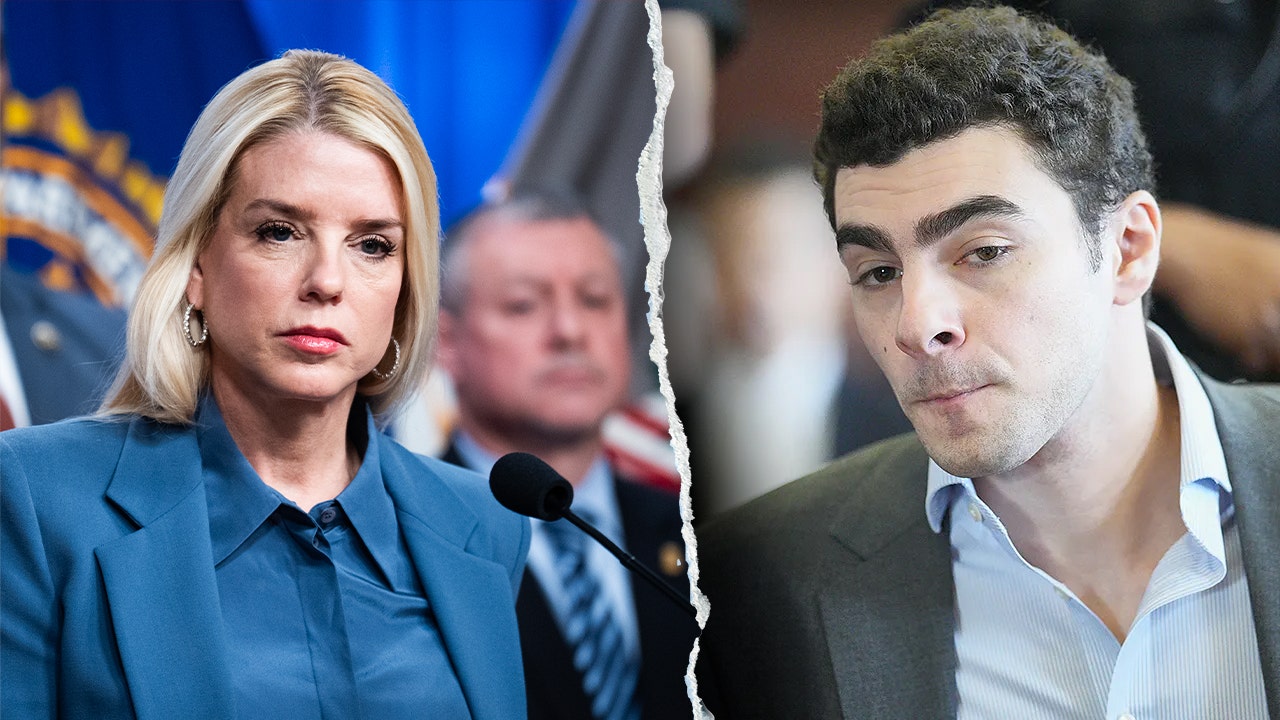
In a significant legal development that has captured national attention, Luigi Mangione’s defense team has intensified their efforts to challenge the death penalty sought in his high-profile murder case. On Friday, Mangione’s attorneys filed new court documents arguing that Attorney General Pam Bondi has a disqualifying financial conflict of interest that compromises her ability to make impartial decisions in the case. The defense claims that Bondi’s previous partnership with Ballard Partners, a lobbying firm that represented UnitedHealth Group—the parent company of slain CEO Brian Thompson—creates an untenable conflict. According to the filings, Bondi continues to receive financial benefits through Ballard’s profit-sharing plan, which should have prompted her recusal from any decision-making role in the prosecution of Mangione. This latest motion builds upon earlier attempts to have the death penalty removed from consideration, with a pivotal hearing scheduled for January 9 that could potentially reshape the case’s trajectory.
The defense team argues that Bondi’s public approach to the case has fundamentally compromised Mangione’s right to due process. They point specifically to her April announcement directing Manhattan federal prosecutors to pursue capital punishment, which came even before Mangione was formally indicted. In what the defense characterizes as prejudgment, Bondi described the killing as a “premeditated, cold-blooded assassination that shocked America” and made appearances on national television stating that, based on her experience as a capital crimes prosecutor, Mangione deserved execution. Mangione’s attorneys assert this public prejudgment creates irreversible damage to the case’s integrity, writing in their filing that “this is a bell that can never be unrung.” Perhaps most concerning to the defense is their observation that upon becoming Attorney General in 2025, the first defendant Bondi “personally selected” for capital punishment was the man accused of killing the CEO of her former client—a coincidence they suggest is far too troubling to ignore.
The case centers on the December 4, 2024, killing of UnitedHealthcare CEO Brian Thompson outside a Manhattan hotel where the company was hosting an investor conference. Prosecutors allege that Mangione executed an assassination-style shooting, which was captured on surveillance cameras, motivated by financial and corporate grievances against Thompson or his company. After the shooting, Mangione fled but was apprehended days later. The evidence against him includes video footage of the shooting itself, though his defense team has challenged various aspects of the evidence collection process in previous filings. The high-profile nature of the victim—a major healthcare company CEO—and the brazen public nature of the killing contributed to the national attention the case has received since Thompson’s murder.
This latest filing represents just one front in a multi-pronged legal strategy by Mangione’s defense to prevent the death penalty from remaining on the table. In October, his attorneys argued that prosecutors could not pursue capital punishment because the underlying stalking charge does not qualify as a violent crime under relevant statutes. Even earlier, in early 2025, they moved to block the death penalty by claiming the decision was politically motivated rather than the result of a neutral Department of Justice review process. Their strategy has evolved over time, first focusing on Bondi’s public statements prejudging guilt, then expanding to include the alleged financial conflict of interest that forms the centerpiece of the current motion. Each successive filing has built upon previous arguments while introducing new elements that challenge the legitimacy of capital punishment in this case.
Leading Mangione’s defense is Karen Friedman Agnifilo, a high-profile New York defense attorney whose credentials include experience as both a Manhattan prosecutor and a CNN legal analyst. Her involvement underscores the high-stakes nature of the case and the resources being deployed in Mangione’s defense. The defense strategy reflects a sophisticated understanding of both legal procedures and public perception, attempting to leverage procedural issues and ethical conflicts to achieve their goal of removing the death penalty from consideration. While their arguments focus on technical and ethical concerns about the prosecution’s approach, they ultimately seek to fundamentally alter the potential consequences Mangione faces if convicted. The Justice Department has not yet publicly responded to these latest allegations regarding Bondi’s alleged conflict of interest, leaving observers waiting to see how prosecutors will counter these serious assertions.
As the January hearing approaches, the case continues to highlight tensions between vigorous prosecution and procedural fairness in high-profile capital cases. The defense’s persistent challenges to the death penalty reflect broader national debates about capital punishment, prosecutorial ethics, and the influence of politics on justice. Whether Mangione’s defense succeeds in their bid to have the death penalty removed from consideration remains to be seen, but their argument that Bondi’s previous professional relationships and ongoing financial arrangements create an impermissible conflict raises serious questions about prosecutorial independence in cases involving high-profile corporate victims. The outcome of these proceedings could potentially set precedents regarding the ethical obligations of government officials who transition from private practice to public service, particularly when their previous clients become entangled in criminal matters under their new jurisdiction.