


A Modern Day David and Goliath: Anthony Joshua’s Triumph Over Jake Paul
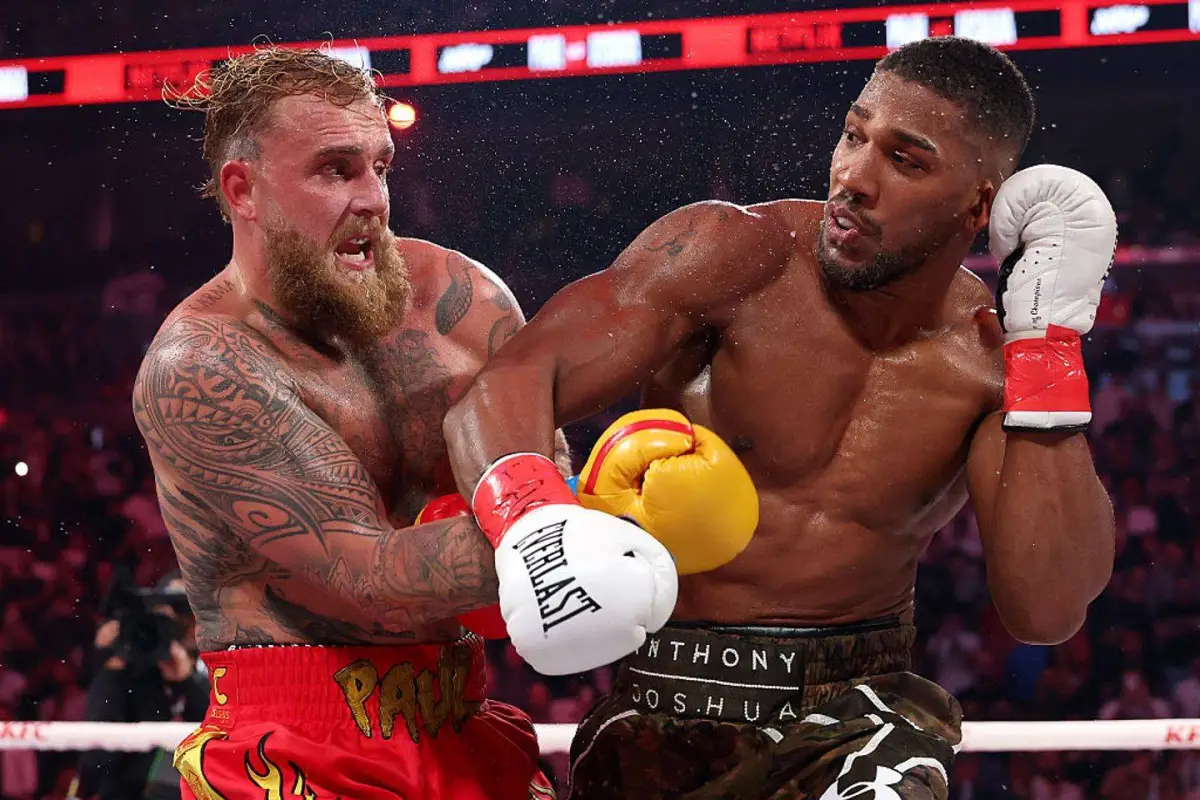
In one of boxing’s most talked-about spectacles of the year, Anthony Joshua decisively defeated Jake Paul in their highly anticipated Netflix-broadcast heavyweight bout at Miami’s Kaseya Center. The matchup generated tremendous interest not because it promised a closely contested battle between equals, but rather because it represented Paul’s first legitimate challenge in his unconventional boxing career. Since transitioning from YouTube fame to professional boxing six years ago, Paul has faced criticism for selecting opponents who lacked credible boxing credentials. Against Joshua—a two-time heavyweight champion with an impressive knockout record—Paul finally faced the caliber of opponent many boxing purists had been demanding. The event drew massive viewership from both dedicated boxing fans and casual observers, many of whom tuned in with the specific hope of witnessing Paul’s comeuppance in the ring.
Paul demonstrated admirable courage by lasting until the sixth round against a vastly more experienced opponent who outweighed him by approximately 40 pounds. Joshua, who entered the fight having won 26 of his 29 professional victories by knockout, methodically broke down his less experienced opponent before delivering the finishing sequence that sent Paul crashing to the canvas. While some critics dismissed the matchup as a cynical money-grab that wouldn’t advance either fighter’s legacy, others viewed it as an intriguing experiment in cross-over appeal between traditional boxing and the newer phenomenon of influencer boxing. Despite the significant skill disparity, Paul’s willingness to step into the ring with such a formidable opponent earned him a measure of respect from some boxing commentators who had previously dismissed his fighting credentials entirely.
The financial implications of the bout were staggering, with both fighters reportedly earning $92 million each—a figure that underscores the evolving economics of boxing in the streaming era. This payday represents one of the largest in boxing history, particularly remarkable considering that one participant had never faced a professional boxer of Joshua’s caliber. The substantial purse demonstrates how the intersection of traditional sports and digital celebrity can create unprecedented commercial opportunities, even when the competitive element might be questionable. Netflix’s involvement as the broadcast partner, rather than traditional pay-per-view channels, signals an important shift in how combat sports reach audiences in the digital age, potentially opening new revenue streams and audience development opportunities for the sport of boxing.
In the aftermath of his defeat, Paul quickly dispelled speculation about retirement, instead pledging to continue his boxing journey after recovering from what he described as a broken jaw. “Oh yeah, for sure [I want to keep fighting],” Paul told interviewer Ariel Helwani. “We’re going to heal the broken jaw, come back and fight people my weight and go for the cruiserweight world title.” This statement suggests that Paul recognizes the physical disadvantages he faced against Joshua and intends to compete in a more appropriate weight class moving forward. Paul also indicated his intention to take a brief hiatus from competition, noting, “I’m going to take a little break. I’ve been going hard for six years. I’m going to take some time off.” This measured response to defeat indicates Paul’s commitment to boxing extends beyond this high-profile matchup, though the path forward will likely involve more carefully selected opponents.
For Joshua, the victory serves as another step in his campaign to secure a long-anticipated showdown with Tyson Fury. In his post-fight comments, Joshua directly challenged his British rival: “If Tyson Fury is as serious as he thinks he is, and he wants to put down his Twitter fingers and put on some gloves and come and fight one of the realest fighters out there that will take on any challenge, step into the ring with me next if you’re a real bad boy.” The timing of this callout is significant, as Fury (34-2-1) is coming off consecutive losses to undefeated champion Oleksandr Usyk—the only defeats in Fury’s professional career. A Joshua-Fury matchup has been discussed for years but has repeatedly failed to materialize due to various promotional, financial, and scheduling complications. Joshua’s commanding performance against Paul potentially strengthens his negotiating position for what would be one of the biggest all-British heavyweight contests in boxing history.
The contrasting trajectories of the two fighters following this bout highlights the fundamentally different places they occupy in the boxing landscape. Joshua returns to the elite echelon of heavyweight boxing, where potential matchups with Fury or other championship-caliber opponents await. Paul, meanwhile, faces a critical juncture in his boxing career—having now experienced defeat against a legitimate boxing champion, he must decide whether to pursue more appropriate challenges in the cruiserweight division or leverage his celebrity for other high-profile, if less competitively balanced, matchups. What remains clear is that both men have demonstrated the commercial viability of unconventional boxing matchups in the streaming era, potentially creating a template for future events that blend traditional sports competition with digital-age celebrity. Whether this represents a positive evolution for the sport of boxing or a concerning prioritization of spectacle over competition remains a subject of intense debate among boxing traditionalists and newer fans alike.