

From Brown University to MIT: Tracing the Tragic Path of a Campus Shooter
In a harrowing series of events that shook the academic community across New England, authorities have identified Claudio Manuel Neves-Valente as the perpetrator behind two deadly attacks at prestigious universities. The 48-year-old Portuguese national’s path of violence began at Brown University, where he opened fire during a finals week review session on Saturday, claiming two young lives and injuring nine others. Days later, he allegedly murdered MIT nuclear physics professor Nuno Loureiro at the scientist’s Massachusetts home. On Thursday evening, law enforcement discovered Neves-Valente dead from a self-inflicted gunshot wound in a storage unit in Salem, New Hampshire, bringing a tragic end to a days-long manhunt that had left multiple communities in fear.
The connection between Neves-Valente and Brown University runs deeper than initially suspected. According to Brown President Christina Paxson, he had studied physics at the university from fall 2000 to spring 2001 before taking a leave of absence and ultimately withdrawing in 2003. The shooting took place in the Barus and Holley Building, which houses physics and engineering classes—a place where Neves-Valente likely spent considerable time during his brief academic career at Brown. “I think it’s safe to assume that this man, when he was a student, spent a great deal of time in that building for classes and other activities as a Ph.D. student in physics,” Paxson noted during a press conference. Before his time at Brown, records indicate a man with the same name was terminated from a monitor position at Instituto Superior Tecnico in Portugal in 2000—the same institution attended by his alleged second victim, MIT professor Loureiro.
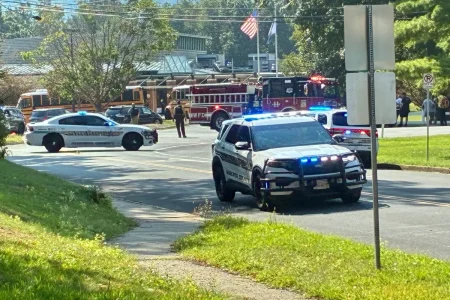
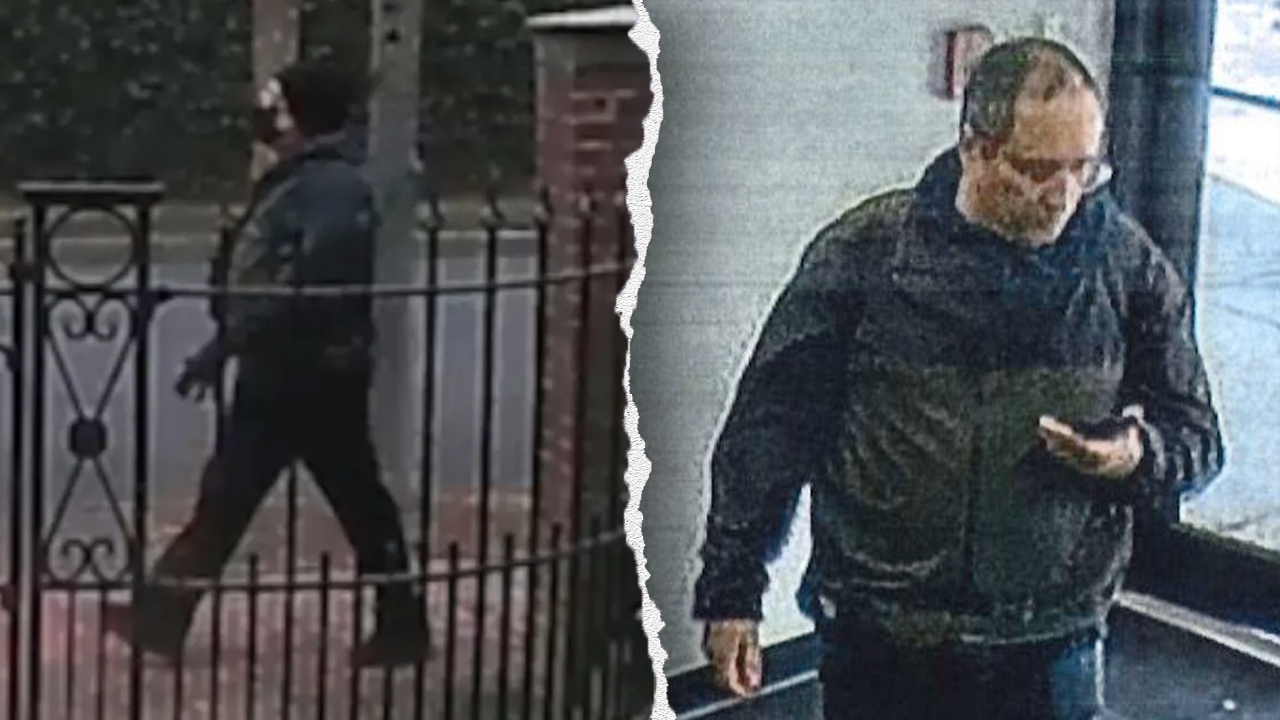
The investigation into the Brown University shooting, which occurred around 4 p.m. on Saturday during a finals week study session, presented numerous challenges for law enforcement. After initially questioning and ruling out a person of interest at a nearby hotel, detectives spent days carefully reviewing surveillance footage from the surrounding area. Their breakthrough came when they identified footage of a masked, stocky figure standing approximately 5 feet, 8 inches tall who walked with a distinctive gait—his right leg bowing inward while his toe pointed outward. This distinctive walking pattern, noted by body language experts, became a key identifying characteristic in the search for the shooter. Authorities later released images of a second person who they believed might have information about the suspect, appealing to the public for assistance in identifying both individuals.
The human toll of these senseless acts of violence is immeasurable. At Brown University, two promising young students—Ella Cook of Alabama and Mukhammad Aziz Umurzokov of Virginia—lost their lives while simply preparing for their final exams. Nine others were wounded, with six remaining hospitalized as of Thursday afternoon, though all were reported to be in stable condition. The attack left the Brown community devastated, with the university making the difficult decision to send students home early as the investigation unfolded. One student described the loss of Ella Cook as “devastating,” highlighting the profound impact of this tragedy on a tight-knit academic community. Meanwhile, the murder of Professor Nuno Loureiro at MIT sent shockwaves through the scientific community, robbing the world of a renowned nuclear physicist whose contributions to his field were significant.
Throughout the investigation, law enforcement agencies from multiple jurisdictions worked tirelessly to connect the dots between these seemingly disparate crimes. United States Attorney Leah B. Foley confirmed the suspected link between the two attacks, stating, “This evening at approximately 9 p.m., federal agents breached a storage locker in Salem, New Hampshire, in search of Claudio Neves-Valente, a Portuguese national we believed shot and killed two Brown University students and an MIT professor in Brookline, Massachusetts.” The discovery of Neves-Valente’s body brought an end to the immediate threat but left many questions unanswered. Providence Mayor Brett Smiley emphasized that the investigation remains ongoing, with authorities still working to determine a clear motive for these attacks.
As these communities begin the long process of healing, they do so in the shadow of unanswered questions and unimaginable loss. The seemingly random nature of the attacks—spanning different institutions and targeting both students and faculty—has left many wondering what connections, if any, existed between Neves-Valente and his victims beyond their shared academic worlds. What drove a former physics student to target his former institution and a professor from his previous university in Portugal remains unclear. The tragedy serves as a stark reminder of the vulnerability of even our most prestigious academic institutions and the unpredictable nature of violence that can touch any community. For the families of Ella Cook, Mukhammad Aziz Umurzokov, and Nuno Loureiro, as well as for the survivors who must now recover both physically and emotionally from this trauma, the end of the manhunt marks not an ending but the beginning of a long journey toward understanding and healing in the face of senseless violence.