



Israel Intensifies Airstrikes on Hezbollah as Ceasefire Deadline Looms
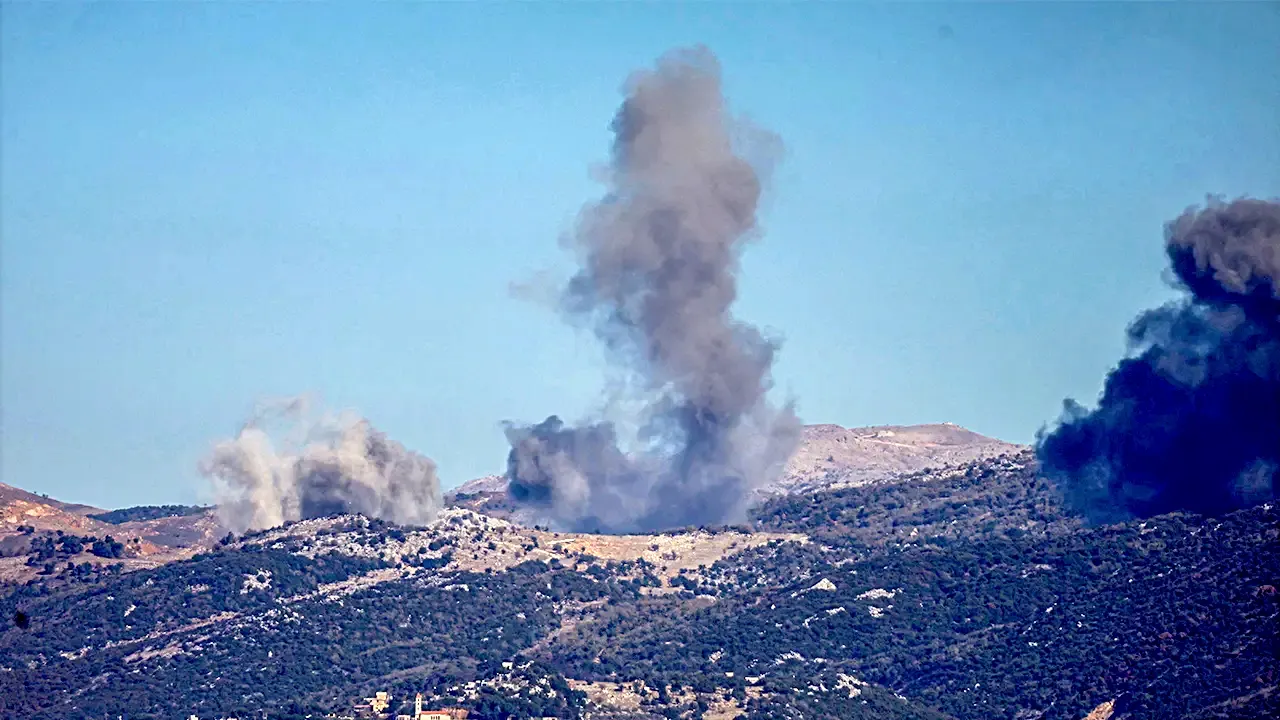
As the December 31 deadline approaches for Hezbollah to disarm according to the terms of a U.S.-brokered ceasefire, Israel has ramped up military pressure through a series of strategic airstrikes across Lebanon. These operations targeted what Israeli forces described as Hezbollah infrastructure sites, weapons storage facilities, and training compounds used by the terrorist organization. The timing of these strikes appears deliberately calibrated, occurring just before a scheduled meeting of the committee responsible for monitoring the enforcement of the ceasefire agreement that ended the Israel-Hezbollah conflict one year ago. This monitoring committee includes representatives from the United States, France, and United Nations peacekeepers stationed along the volatile Israel-Lebanon border.
The military actions unfold against a backdrop of intense diplomatic activity. A high-level meeting in Paris has been arranged with participation from U.S., Saudi, and French officials, along with Lebanon’s army commander, General Rodolph Haikal. This gathering aims to explore avenues for strengthening the Lebanese army’s presence in the border region – a critical component of the ceasefire agreement. According to diplomatic sources cited by Reuters, the Paris meeting also serves another purpose: attempting to dissuade Israel from further military escalation. European and Lebanese officials have expressed concerns about political paralysis within Lebanon potentially impeding the disarmament process, with some suggesting that domestic politics might be influencing Lebanese President Joseph Aoun’s approach to pressing Hezbollah on the disarmament issue, particularly as Lebanon looks ahead to legislative elections in 2026.
The Lebanese government has publicly committed to ensuring that the area south of the Litani River will be cleared of Hezbollah’s armed presence by year’s end – aligning with the ceasefire deadline. However, the recent Israeli airstrikes prompted a pointed response from Lebanese Parliament Speaker Nabih Berri, who characterized them as “an Israeli message to the Paris meeting” and suggested they were timed to “honor the mechanism’s meeting tomorrow.” This interpretation highlights the deep skepticism among some Lebanese leaders about Israel’s intentions, viewing the military actions as calculated pressure tactics rather than security necessities. The escalating tensions have created a precarious situation where military actions and diplomatic efforts seem to be working at cross-purposes.
Just one day before the broader airstrikes, Israel announced it had killed a Hezbollah operative in southern Lebanon who was allegedly gathering intelligence on Israeli military activities and participating in efforts to rebuild Hezbollah’s infrastructure in the region. The Israeli Defense Forces (IDF) has consistently maintained that their operations target only military assets and terrorists who pose direct threats to Israel’s security. However, the timing and scale of the recent strikes have raised questions about whether Israel is attempting to force compliance with the disarmament provisions through military pressure rather than allowing the diplomatic process to unfold. This strategy risks triggering a wider conflagration if Hezbollah responds with its own escalatory actions.
The current situation reflects the complex interplay between regional security concerns, domestic politics in both Lebanon and Israel, and international diplomatic efforts. For Lebanon, the challenge is enormous: the government must demonstrate its ability to assert sovereignty over its territory while navigating the reality that Hezbollah remains a powerful political and military force within the country. The Lebanese army’s capacity to fulfill its role in the border regions without triggering internal conflict represents a delicate balancing act. Meanwhile, international stakeholders like the United States and France are attempting to support Lebanon’s sovereignty while preventing a resumption of hostilities that could destabilize the entire region.
As the December 31 deadline approaches, all parties face critical decisions. Israel must determine whether continued military pressure advances its security objectives or undermines the diplomatic framework established by the ceasefire. Hezbollah leaders must decide whether to comply with disarmament requirements or risk renewed conflict. Lebanese government officials must balance their commitment to the ceasefire terms against domestic political realities. And international stakeholders must find ways to incentivize compliance while deterring escalation. The outcome of these interconnected decisions will significantly impact not only Israeli-Lebanese relations but also broader regional stability at a time when the Middle East faces multiple overlapping conflicts and tensions. The Paris meetings may represent one of the final opportunities to prevent the ceasefire from collapsing into renewed warfare.