


House Passes Bill Criminalizing Gender Transition Treatment for Minors
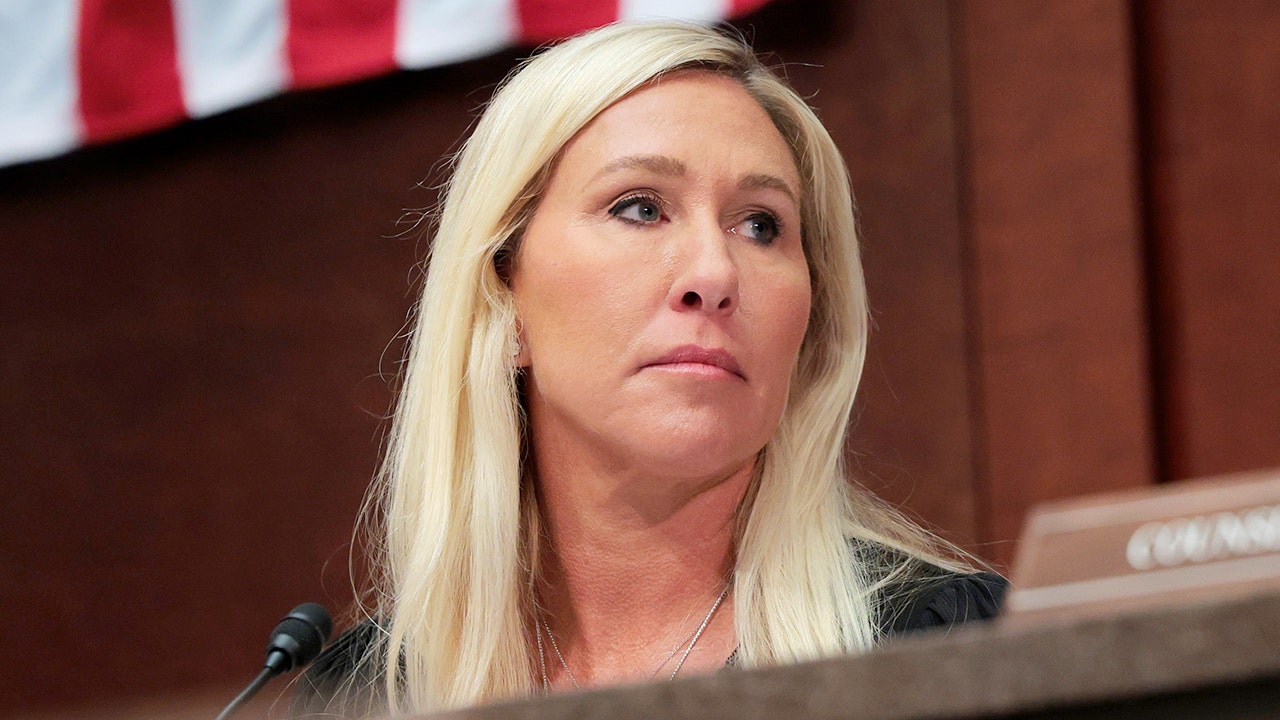
In a significant legislative move this week, the House of Representatives passed a bill that would make it a federal crime to provide gender transition treatments to minors. The measure, championed by Republican Representative Marjorie Taylor Greene of Georgia, narrowly passed with a vote of 216-211, receiving some unexpected bipartisan support. This legislation represents the latest development in the ongoing national debate about appropriate healthcare for transgender youth and the role of government in medical decisions affecting children.
The bill’s passage highlights the deep political divisions surrounding transgender healthcare for young people. While most Republicans voted in favor of the measure, they were joined by three Democrats: Representatives Henry Cuellar and Vicente Gonzalez of Texas, and Don Davis of North Carolina. Conversely, four Republicans broke ranks with their party to oppose the bill: Representatives Mike Lawler of New York, Brian Fitzpatrick of Pennsylvania, Gabe Evans of Colorado, and Mike Kennedy of Utah. This cross-party voting pattern underscores how this issue sometimes transcends traditional party lines, reflecting broader societal conversations about parental rights, medical autonomy, and child welfare. Rep. Greene, who is set to resign from Congress next month, has been particularly vocal about her motivation for sponsoring the bill, arguing that children should be protected from making “life-altering decisions” without fully understanding their permanent consequences.
The legislation emerged as part of a political compromise that reveals the complex dynamics at play in Congress. Greene had reached an agreement with House leadership to bring her bill to the floor in exchange for her support of a rule that would advance the National Defense Authorization Act. This type of negotiation demonstrates how single-issue legislation often becomes currency in the broader legislative process. Before the vote, Greene took to social media platform X to emphasize her perspective: “Children are NOT experiments. No more drugs. No more surgeries. No more permanent harm. We need to let kids grow up without manipulation from adults to make life-altering decisions! Congress must protect America’s children!!!” Her passionate advocacy reflects the views of many who believe these medical interventions are inappropriate for minors, regardless of parental consent or medical recommendations.
Despite passing the House, the bill faces significant challenges ahead. Senate passage would require Democratic support in the closely divided upper chamber, making its ultimate enactment highly uncertain. Civil liberties organizations have already voiced strong opposition, with the American Civil Liberties Union condemning the House passage and warning of “immediate and devastating effects on the lives of transgender youth and their families across the country.” Mike Zamore, the ACLU’s National Director of Policy and Government Affairs, articulated concerns that extend beyond this specific legislation, suggesting the bill “creates an incredibly dangerous precedent… criminalizing care based on ideology and placing Washington politicians between families and their doctors.” This perspective represents the view that such decisions should remain in the hands of families and medical professionals rather than legislators, highlighting the fundamental philosophical disagreement at the heart of this controversy.
Even among supporters of restricting gender transition treatments for minors, there have been disagreements about the bill’s approach. Prior to the vote, Representative Chip Roy of Texas, who serves on the House Rules Committee, proposed an amendment that would have modified the bill to limit federal criminal liability under certain circumstances. This led to a public disagreement with Greene, who criticized Roy on social media, claiming his amendment would “gut the commerce clause” and weaken the bill’s protections. Roy defended his position, arguing that “the constitution matters & we should not bastardize it to use ‘interstate commerce’ to empower federal authorities.” However, he ultimately chose not to offer the amendment “to avoid any confusion about how united Republicans are in protecting children from these grotesque procedures.” This exchange reveals the nuanced legal and constitutional considerations that complicate legislating on such matters, even among those who agree on the broader policy goal.
The debate over this legislation reflects broader societal tensions about the appropriate balance between parental authority, medical expertise, individual autonomy, and government protection of vulnerable populations. Supporters view the bill as necessary protection for children who may not fully comprehend the long-term consequences of medical interventions like puberty blockers, hormone treatments, or surgeries. Opponents see it as governmental overreach that criminalizes legitimate medical care and interferes with deeply personal family decisions made in consultation with healthcare providers. As the bill moves to the Senate, these fundamental disagreements will continue to shape the national conversation about transgender youth healthcare, with significant implications for affected families, medical practitioners, and the broader legal landscape regarding the federal government’s role in regulating medical treatments for minors.