


Governor Hochul to Sign Medical Aid in Dying Act for New York
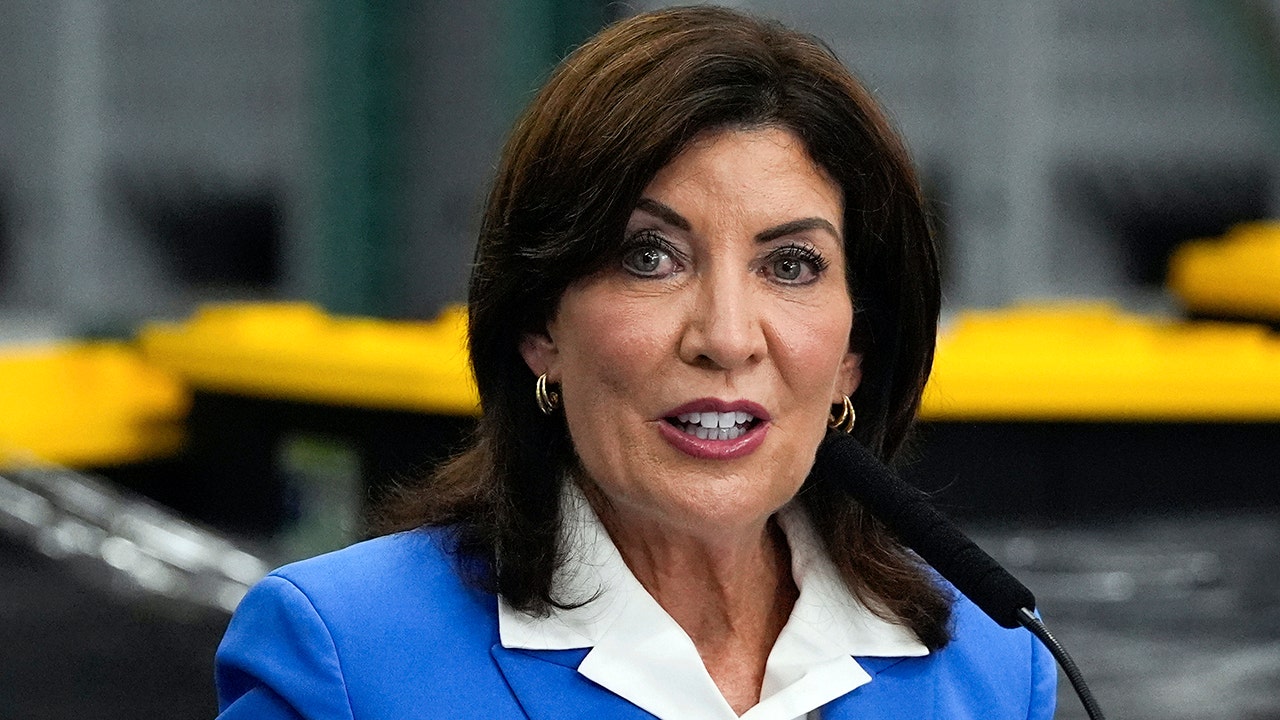
New York Governor Kathy Hochul has announced her intention to sign legislation legalizing medically assisted suicide for terminally ill patients, a decision she describes as one of the most difficult of her governorship. In a heartfelt op-ed published in the Albany Times Union, Hochul, who is Catholic, explained that she came to this decision after listening to suffering New Yorkers and their families while also considering the religious and ethical concerns of those who oppose such measures. “I was taught that God is merciful and compassionate, and so must we be,” she wrote, framing the legislation as a compassionate option for those facing unbearable suffering in their final months. The bill, known as the Medical Aid in Dying Act, will place New York among thirteen other states and Washington D.C. that have similar laws, with the legislation set to take effect six months after signing.
The Governor’s support comes with a commitment to strengthening the bill’s safeguards before it becomes law. Hochul has worked with legislative leaders to add several protective measures to ensure the process is not abused. Under the enhanced legislation, terminally ill patients with less than six months to live must make a written request for life-ending medication, which must be witnessed by two people to verify the absence of coercion. Both the patient’s primary physician and a consulting physician must approve the request, and a mental health professional must confirm the patient’s decision-making capacity. Additionally, Hochul is adding a mandatory five-day waiting period and requiring both written and recorded oral requests to “confirm free will is present.” She has also specified that the law will only apply to New York residents, similar to New Jersey’s recently upheld residency requirement.
In her advocacy for the bill, Hochul painted a poignant picture of what this legislation means for those facing terminal illness: “The Medical Aid in Dying Act will afford terminally ill New Yorkers the right to spend their final days not under sterile hospital lights but with sunlight streaming through their bedroom window.” She emphasized the human dignity in allowing people to choose to die surrounded by loved ones, hearing “the laughter of their grandkids echoing in the next room” rather than the “droning hum of hospital machines.” This humanizing perspective frames the legislation not as a way to hasten death, but as a means to preserve dignity and quality in life’s final chapter.
The journey to this point has been long and contentious. The legislation was first introduced in 2016 but failed to gain approval for years, largely due to opposition from religious groups like the New York State Catholic Conference. These organizations have consistently argued that medically assisted suicide devalues human life and compromises the traditional healing role of physicians. Following Hochul’s announcement, Cardinal Timothy Dolan and New York’s bishops released a statement expressing deep concern, suggesting that the legislation “signals our government’s abandonment of its most vulnerable citizens, telling people who are sick or disabled that suicide in their case is not only acceptable, but is encouraged by our elected leaders.” This perspective reflects the ongoing moral and ethical debate surrounding end-of-life decisions.
Proponents of the legislation, however, maintain that it addresses a fundamental human right to die with dignity. Supporters argue that the bill provides a merciful option for those facing unbearable suffering while including substantial safeguards against potential abuse. The careful balance struck in the legislation—providing choice while implementing protective measures—reflects similar approaches in other states and countries that have legalized medical aid in dying. Beyond the United States, nations including Canada, Germany, Belgium, Switzerland, the Netherlands, Australia, and Colombia have established legal frameworks for physician-assisted suicide, indicating a global trend toward recognizing this option as part of compassionate end-of-life care.
As New York prepares to implement this significant change, it joins a growing movement that acknowledges the complex realities of terminal illness. Hochul’s decision represents a thoughtful weighing of competing values: religious traditions that emphasize the sanctity of life against compassionate concerns for those experiencing unbearable suffering. Her approach aims to honor both perspectives by creating a carefully regulated process that respects individual autonomy while protecting vulnerable populations. “Who am I to deny you or your loved one what they’re begging for at the end of their life?” Hochul reflected. “I couldn’t do that any longer.” With this legislation, set to be signed in 2023 and implemented six months later, New York will offer terminally ill residents a new option as they navigate life’s final journey—one that supporters believe honors human dignity and opponents fear undermines society’s commitment to protecting its most vulnerable members.