



Leadership Change Looms for New York’s Catholic Community
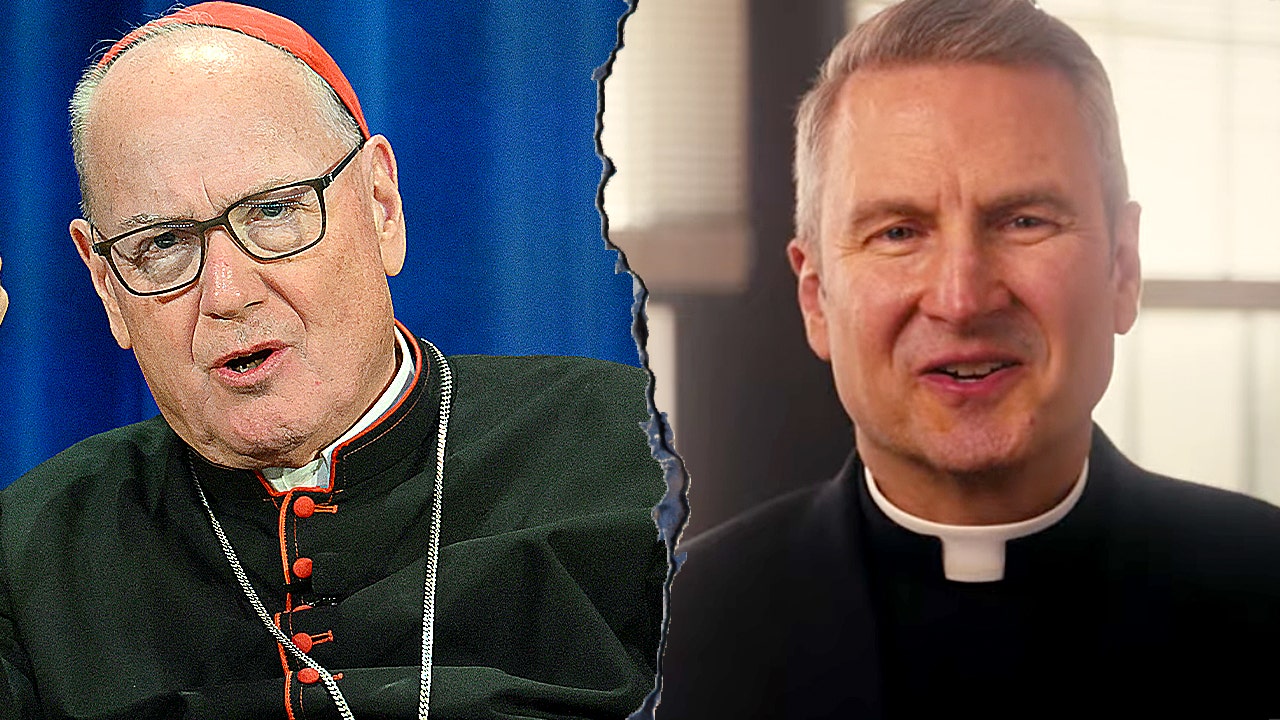
According to recent reports, Pope Leo XIV is preparing to appoint Bishop Ronald Hicks of Joliet, Illinois as the next Archbishop of New York, potentially as soon as this week. This significant change comes after Cardinal Timothy Dolan, who has led the archdiocese since 2009, submitted his mandatory retirement request to the Pope upon reaching his 75th birthday in February. The timing has raised eyebrows within the Catholic community, as one source noted it would be “very strange to replace a beloved cardinal before Christmas.” This transition represents a pivotal moment for one of the world’s most prominent Catholic archdioceses and comes during the holiday season, a particularly meaningful time for the Catholic faith.
Bishop Hicks, 58, brings Midwestern roots and a contemporary perspective to the position. Born in Harvey, Illinois and raised in South Holland, he was appointed Bishop of Joliet by Pope Francis in 2020. His connection to Illinois and the Chicago region—the same area where Pope Leo XIV grew up—may have strengthened his candidacy for this prestigious role. Hicks has previously expressed a personal connection to the current pontiff, telling WGN-TV shortly after Pope Leo’s election in 2024 that the Pope felt “relatable,” describing him as “a normal guy from a normal neighborhood we grew up in.” This shared background appears to have fostered a natural alignment between the two church leaders, potentially influencing the Pope’s decision-making process.
The rumored appointment has gained traction through various channels, including social media. Rob Astorino, a Westchester County executive with connections to Cardinal Dolan and the New York archdiocese, recently posted on X (formerly Twitter) about “strong rumors” that Pope Leo had accepted Dolan’s resignation and would appoint Bishop Hicks as his successor. Such public speculation indicates the significance of this leadership change within Catholic circles and beyond, as the Archbishop of New York holds substantial influence in American Catholicism and frequently serves as a prominent voice in national religious and social conversations.
If confirmed, Hicks would inherit leadership at a particularly challenging time for the Archdiocese of New York. The church is currently grappling with more than 1,300 clergy sexual-abuse claims, creating an urgent need to raise approximately $300 million in settlement funds. The archdiocese has already announced plans to compensate victims, as reported on December 9. This financial pressure has necessitated difficult decisions, including staff layoffs, a 10% reduction in the operating budget, and the sale of major real estate assets. Most notably, the archdiocese has announced the $490 million sale of the land beneath the Lotte New York Palace Hotel and expects to generate another $100 million from selling its former headquarters at 1011 First Avenue.
Cardinal Dolan’s departure would mark the end of a significant era for New York’s Catholic community. Since his appointment by Pope Benedict XVI in 2009 following his tenure in Milwaukee, Dolan has become a beloved and recognizable figure in New York religious life. Known for his charismatic personality and public presence, he has guided the archdiocese through changing times while maintaining traditional Catholic values. His leadership style has earned him respect beyond Catholic circles, making him one of America’s most prominent religious leaders. The transition to a new archbishop will inevitably bring changes to the archdiocese’s direction and public image, as Bishop Hicks would bring his own leadership approach and priorities to this highly visible role.
The potential appointment of Bishop Hicks represents more than just a personnel change; it reflects broader dynamics within the Catholic Church under Pope Leo XIV’s leadership. As one of the Pope’s first major appointments in the United States, it may signal priorities and preferences that will shape American Catholicism in the coming years. The selection of a relatively younger bishop with Midwestern roots to lead an East Coast archdiocese traditionally associated with Irish-American Catholicism also suggests evolving demographics and perspectives within the Church. While neither the Archdiocese of New York nor the Diocese of Joliet has officially commented on these reports, the Catholic community watches closely as this significant leadership transition appears imminent, potentially reshaping the future of one of America’s most influential religious institutions.