



The Minimalist Christmas Tree Trend: Less Decoration, More Debate
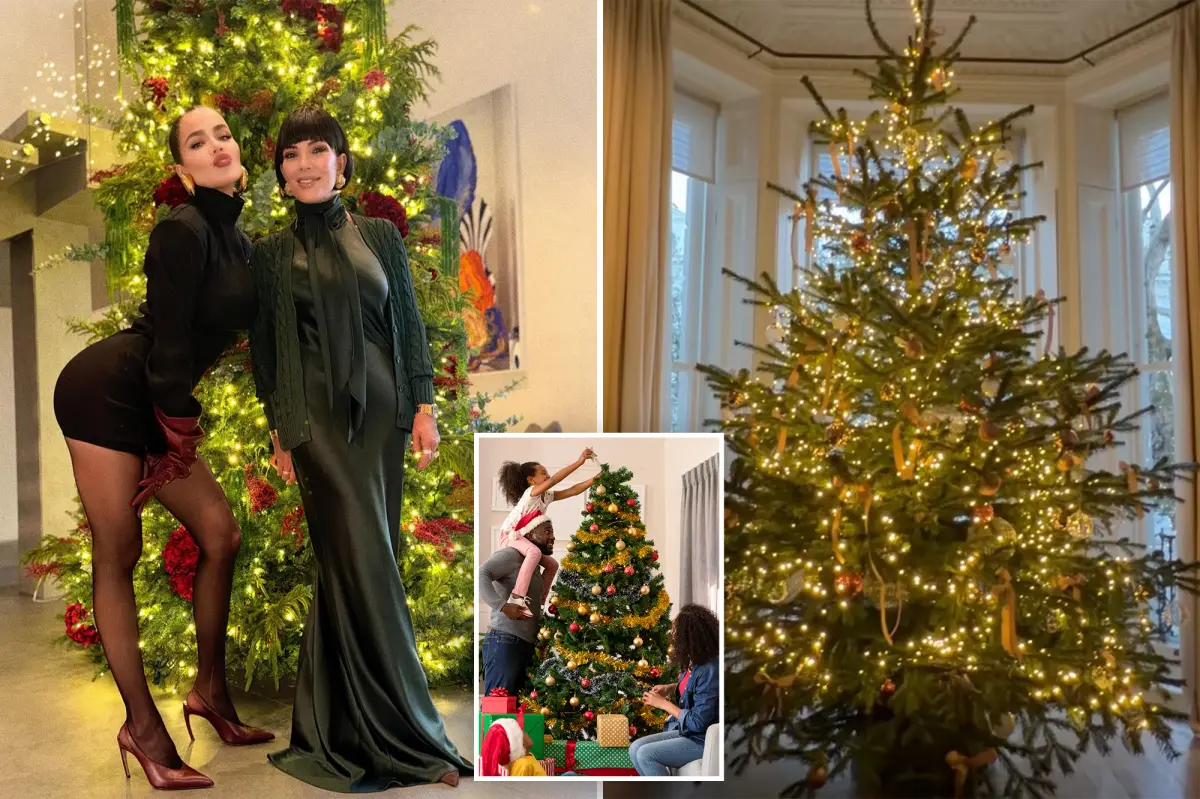
As Americans prepare for holiday travel, a surprising trend is emerging in living rooms across the country: the minimalist Christmas tree. Stripped of traditional ornaments and tinsel, these bare trees adorned with only soft white lights—or sometimes nothing at all—have sparked both admiration and controversy on social media. Celebrities like Julianne Moore, Michelle Pfeiffer, Victoria Beckham, and Khloé Kardashian have embraced this pared-back aesthetic, bringing it into the mainstream. But the trend has created a clear divide among holiday decorators, with critics declaring bluntly that “ornaments are a must” while enthusiasts praise the elegant simplicity. Designers have dubbed it the “no-ornament” or “nearly naked” tree, representing perhaps the final frontier of minimalism’s conquest of American homes.
The appeal of minimalist trees extends beyond mere aesthetics, reflecting broader shifts in how people approach the holidays. For many, these simpler trees represent a rejection of holiday excess and stress, offering instead a peaceful, streamlined alternative that requires less work and creates less mess. “It’s elegant and no mess,” noted one advocate, appreciating the calmer approach to holiday decor. Yet detractors see something essential missing, describing these trees as unfinished or even joyless without the colorful adornments that traditionally symbolize Christmas cheer. Some families have found middle ground by having two trees—a stylish minimalist version in public spaces and a traditionally decorated tree elsewhere for children to enjoy. This compromise allows for both contemporary design sensibilities and the preservation of cherished family traditions.
The minimalist tree trend also reflects practical considerations that resonate in today’s economic climate. With inflation affecting holiday budgets, fewer decorations mean less spending on new ornaments and less storage space needed for holiday items. For households with young children or pets, minimalist trees eliminate the hazards of breakable ornaments and dangling decorations that can be pulled down by curious hands or paws. Retailers have quickly adapted to this shift, offering pre-lit trees and neutral-toned decorations that align with the clean aesthetic that minimalist decorators seek. This commercial response indicates that the trend has significant staying power rather than being merely a passing fad.
Etiquette experts remind us that holiday decorating remains deeply personal, despite strong opinions on both sides. Florida-based etiquette specialist Jacqueline Whitmore wisely observed, “As my aunt used to say, ‘Different strokes for different folks.’ Minimalism is a choice, not an obligation.” She emphasizes that respect for others’ decorating choices represents the true holiday spirit: “The etiquette is this: Don’t chastise someone who decides not to decorate their tree the way you might expect them to. Less is more (especially when it comes to negative comments).” Despite such counsel, the debate continues to flourish online, with critics questioning whether children are being denied the joy of decorating family trees due to parents’ aesthetic preferences.
The resistance to minimalist trees often stems from deep emotional connections to traditional decorating customs. For generations of Americans, Christmas ornaments serve as physical repositories of family memories—each decoration telling a story about where it came from or who made it. Many treasured ornaments are handcrafted by children in school, gifted by loved ones, or collected during special trips. These objects create a visual family history that emerges each December, connecting present celebrations to past ones. “I can tell you where each of my special ornaments came from, and I wouldn’t trade that for the most ‘perfect’ tree,” one person commented online, articulating the sentimental value that traditional decorations hold for many families.
The minimalist Christmas tree trend ultimately represents more than just a decorating choice—it reflects changing attitudes toward tradition, consumption, and the meaning of the holidays. While some see the pared-back aesthetic as refreshingly modern and aligned with values of simplicity and sustainability, others view it as sacrificing the warmth and personality that make Christmas celebrations unique. What’s clear is that both approaches can coexist, with families choosing the style that best reflects their values and circumstances. Whether adorned with decades of collected memories or showcasing elegant simplicity with just lights, the Christmas tree continues to serve its essential function as a centerpiece for gathering and celebration during the darkest days of winter. As one traditionalist confidently stated, “A traditional Christmas tree will always be in style”—yet the minimalist alternative has certainly earned its place in contemporary holiday homes.