


The Tragic Passing of Rob and Michele Reiner
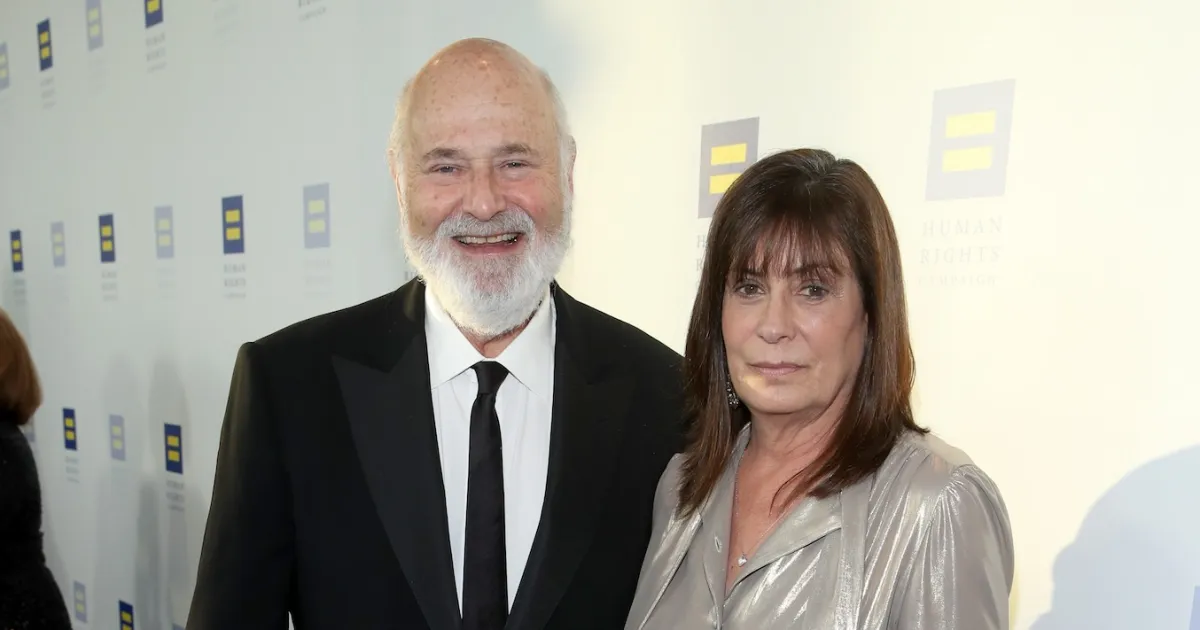
In a devastating turn of events, Hollywood and the entertainment world were left stunned by the sudden deaths of filmmaker Rob Reiner and his wife Michele Reiner at their Los Angeles home on Sunday, December 14. The family released a statement through Variety expressing their profound sorrow: “It is with profound sorrow that we announce the tragic passing of Michele and Rob Reiner. We are heartbroken by this sudden loss, and we ask for privacy during this unbelievably difficult time.” What began as a routine call to the Los Angeles Fire Department for medical aid at the couple’s Brentwood residence quickly evolved into something far more tragic, as emergency responders discovered the bodies of a 78-year-old man and a woman “approximately 68” years old who were both “determined dead on the scene.” The heartbreaking news rippled through Hollywood, with many unable to process the sudden loss of such beloved figures in the entertainment community.
The circumstances surrounding their deaths have left many questions unanswered and prompted an investigation by law enforcement. During a press conference held by the LAPD, Deputy Chief Alan S. Hamilton confirmed that authorities were “currently conducting an ongoing homicide investigation into the two deaths at Rob Reiner’s Brentwood home.” While officials have not identified a suspect or persons of interest at this time, they did reveal the devastating detail that the couple appeared to have died “from apparent stab wounds.” The investigation has been characterized as a “death investigation” rather than explicitly labeled a murder case, with the department’s Robbery-Homicide Division taking charge of the proceedings. As the investigation continues, friends, family, and fans alike are left to grapple with the shocking and tragic nature of this loss, wondering how such violence could befall two people who brought so much joy to others through their creative work.
Rob Reiner’s influence on American cinema and television is difficult to overstate. As a director, he crafted some of the most beloved films of the last four decades, including romantic comedy classic “When Harry Met Sally,” the iconic mockumentary “This Is Spinal Tap,” fantasy adventure “The Princess Bride,” coming-of-age drama “Stand By Me,” legal thriller “A Few Good Men,” and the psychological horror film “Misery.” This remarkable range demonstrated his versatility and deep understanding of storytelling across genres. Before his directorial career took off, Rob first rose to fame as an actor, most notably as Michael “Meathead” Stivic in the groundbreaking sitcom “All in the Family,” a role that earned him two Emmy Awards. His acting career continued throughout his life with memorable appearances in “The First Wives Club,” “The Wolf of Wall Street,” and contemporary television shows including “The Bear,” “New Girl,” “30 Rock,” and “Curb Your Enthusiasm,” often playfully appearing as himself and showing his willingness to embrace humor at his own expense.
The creative legacy of Rob Reiner extends far beyond his own directorial and acting work. As the son of comedy legend Carl Reiner and singer Estelle Rebost, Rob grew up immersed in the entertainment industry but forged his own distinct path. Perhaps one of his most significant contributions to the landscape of American entertainment came through his co-founding of Castle Rock Entertainment, a production company responsible for bringing “Seinfeld” to television screens and producing cinematic masterpieces like “The Shawshank Redemption,” “City Slickers,” and “In the Line of Fire.” This behind-the-scenes role as a producer and entertainment executive allowed him to shape popular culture in ways that extended far beyond his own creative output, supporting and nurturing other talented filmmakers and storytellers. His ability to recognize and champion quality storytelling helped define American entertainment for multiple generations, creating a body of work that will continue to resonate with audiences for decades to come.
Michele Reiner, though less publicly known than her husband, was an accomplished photographer who met Rob during the production of “When Harry Met Sally.” Their relationship began in a professional context but blossomed into a personal connection that would last for over three decades. The couple married in May 1989, beginning a partnership that would span both their personal and professional lives. Together, they built a family, welcoming three children: sons Jake and Nick, and daughter Romy. Rob was also the adoptive father to Tracy Reiner from his previous marriage to the late actress and director Penny Marshall. Throughout their marriage, Michele maintained her own creative identity while supporting Rob’s high-profile career. Their relationship represented a partnership of two creatives who found in each other both personal and professional support, demonstrating how love and creativity could intertwine and flourish together over the course of a lifetime shared.
The sudden and violent loss of Rob and Michele Reiner leaves a void not only in their immediate family but in the broader cultural landscape they helped shape. Rob’s decorated career earned him not only two Emmy awards but five Golden Globe nominations, reflecting the industry’s recognition of his substantial contributions to film and television. Beyond the accolades, however, was a man who consistently created work that connected deeply with audiences, telling stories that made people laugh, cry, and reflect on the human condition. From political activism to filmmaking, Rob lived his convictions both on and off screen. As the investigation into their deaths continues, friends, colleagues, and fans around the world are left to mourn this talented couple whose creative legacy spans generations. Their passing marks not just the loss of two individuals, but the end of a chapter in Hollywood’s creative history—a chapter filled with films and stories that will continue to move audiences long after their creators have gone, ensuring that while Rob and Michele Reiner may have left us tragically and too soon, the art they created and inspired will remain timeless.