


Sherrone Moore’s Fall from Grace: A Shocking Turn for Michigan’s Former Head Coach
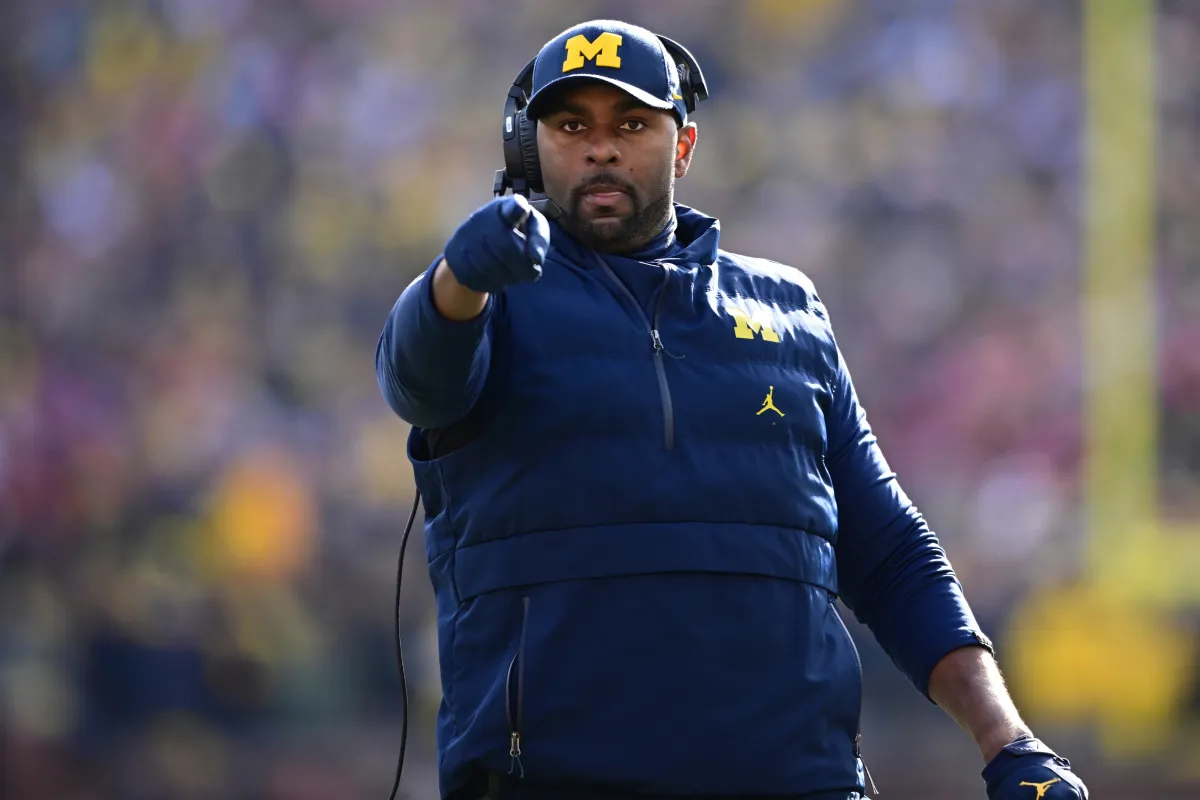
In a stunning turn of events, Sherrone Moore, the recently dismissed University of Michigan football coach, now faces serious criminal charges following his abrupt termination. The 39-year-old coach, who only days ago stood at the helm of one of college football’s most prestigious programs, was charged Friday with three crimes, including home invasion and stalking of a person he previously dated. The severity of these allegations has sent shockwaves through the collegiate sports world, especially considering Moore’s rapid rise to prominence after Michigan’s national championship victory last season. This dramatic fall occurred just months after Moore had been celebrated for stepping into the considerable shoes left by Jim Harbaugh, who departed to lead the NFL’s Los Angeles Chargers.
The troubling situation unfolded rapidly, with Moore spending two nights in jail following his Wednesday arrest. According to the Washtenaw County Prosecutor’s Office, Moore is accused of unlawfully entering the home of someone with whom he had a previous romantic relationship. The University of Michigan, while not disclosing specific details about the alleged relationship that led to his firing, stated that an internal investigation uncovered “credible evidence of misconduct.” Athletic Director Warde Manuel emphasized that Moore’s behavior constituted “a clear violation of university policy.” The personal dimensions of this scandal are particularly jarring, as Moore is married and the father of three young daughters, making the allegations of an inappropriate relationship with a staff member and subsequent criminal charges all the more devastating for his family.
From a professional standpoint, the consequences for Moore are equally severe. Just last year, he signed a lucrative five-year contract with a base annual salary of $5.5 million. However, because he was terminated for cause, Michigan is not obligated to buy out the remaining years of his contract—representing a massive financial loss. Moore’s journey with Michigan had seemed like a college football fairy tale until this week. After serving as the team’s offensive coordinator, he was elevated to the head coaching position following Michigan’s national championship victory, a promotion that represented the pinnacle of his coaching career. Now, instead of preparing for the team’s upcoming Citrus Bowl appearance against Texas on December 31, Moore finds himself facing legal proceedings with potentially serious consequences.
The ripple effects of this scandal extend well beyond Moore himself, touching every aspect of Michigan’s football program. In his absence, Biff Poggi, who previously served as interim coach earlier this season when Moore was suspended during a sign-stealing investigation dating back to the Harbaugh era, will again step in to lead the team through their bowl game. However, the long-term implications for the program could be significant. The university now faces the challenge of conducting a coaching search under difficult circumstances, while simultaneously managing potential fallout that could include player departures through the transfer portal. Additionally, there are concerns about hesitation from donors who support revenue-sharing and name, image, and likeness deals—financial arrangements that have become increasingly important in the modern collegiate athletics landscape.
What makes this situation particularly jarring is the speed with which Moore’s career has unraveled. Until just days ago, he was celebrated as the leader who successfully took the reins from Harbaugh and maintained Michigan’s standing as a college football powerhouse. His defense attorney, Joe Simon, declined to comment ahead of Moore’s initial court appearance, leaving many questions unanswered about Moore’s perspective on the allegations. The charges—home invasion and stalking—suggest a deeply troubling personal situation that has now become a very public downfall. For a coach who was recently at the pinnacle of his profession, the contrast between his former status and current circumstances could hardly be more stark.
The Michigan football program now finds itself at a crossroads, forced to navigate not only the immediate practical challenges of finding new leadership but also the damage to its reputation that inevitably accompanies such scandals. College football has seen its share of coaching dismissals for various forms of misconduct, but the combination of inappropriate workplace relationships and criminal charges makes Moore’s case particularly severe. As the university begins its search for a permanent replacement, the program’s stability, recruiting prospects, and overall future direction all hang in the balance. What began as a promising new chapter for Michigan football after a national championship has quickly transformed into a cautionary tale about how rapidly fortunes can change in the high-stakes world of college athletics, where personal conduct and professional responsibilities are inextricably linked.