


A Partner’s Betrayal: Chicago Police Officer’s Family Seeks Justice After Deadly Shooting
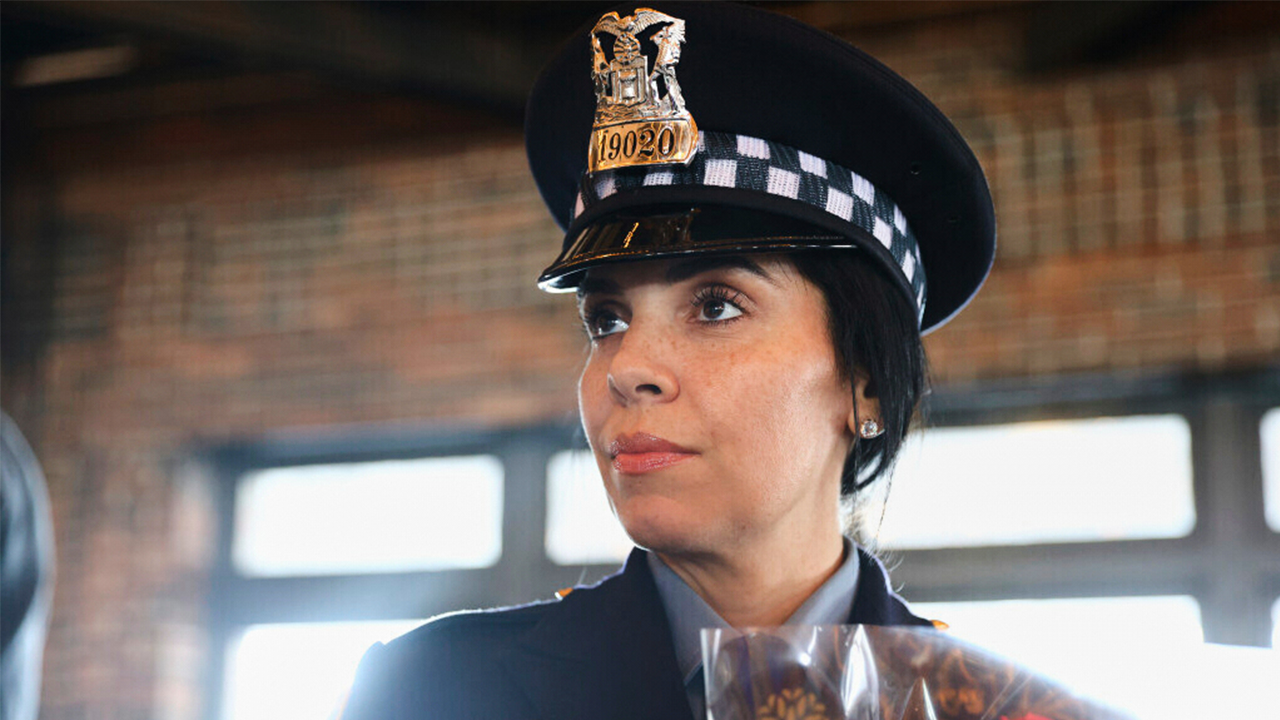
The family of Chicago Police Officer Krystal Rivera has filed a wrongful death lawsuit following her tragic death in June, raising disturbing questions about departmental oversight and partner selection. The 36-year-old officer was fatally shot in the back by her partner, Officer Carlos Baker, during the pursuit of an armed suspect. According to the lawsuit filed by Rivera’s mother, Yolanda, the Chicago Police Department ignored multiple warning signs about Baker’s concerning behavior and troubling history. Most poignantly, Yolanda Rivera noted that while her daughter accepted the inherent risks of police work, “What she never should have had to fear was her own partner.” This betrayal of the fundamental trust between police partners ultimately cost Krystal her life, leaving her family searching for accountability and closure.
The circumstances surrounding Rivera’s death reveal a disturbing pattern of departmental negligence and interpersonal complications. Rivera and Baker had been in an on-again, off-again romantic relationship for approximately two years before Rivera ended it permanently last winter after discovering Baker had a live-in girlfriend. Following the breakup, Rivera expressed fears about Baker’s “negative and hostile reaction” to colleagues, reporting that he continued showing up uninvited at her home—including just one day before the fatal shooting. Despite Rivera previously requesting a new partner due to Baker’s “prior reckless conduct,” the two were later reassigned together when Rivera transferred to a tactical team. On the day of the tragedy, they pulled over a motorist suspected of having a weapon, leading to a foot chase that ended outside an apartment building. Baker kicked in a door and fired his weapon, allegedly aiming at the suspect but striking Rivera in the back instead.
Perhaps even more troubling than the shooting itself was Baker’s alleged response in the aftermath. According to family attorney Antonio Romanucci, instead of immediately calling for help or providing basic first aid, Baker fled to another floor of the building, abandoning Rivera as she lay critically wounded. “He did not attempt even the most basic first aid step of applying pressure on her wound,” Romanucci stated. “Baker left Krystal there on the floor, literally gasping. Krystal radioed in her own shooting.” This apparent abandonment compounds the tragedy of Rivera’s death, suggesting not just negligence but a callous disregard for his wounded partner. Additionally, the lawsuit accuses the Chicago Police Department of filing misleading reports to state regulators, suggesting the shots came from a barricaded suspect rather than from Baker—raising questions about a potential departmental cover-up.
The lawsuit reveals that Baker’s problematic behavior wasn’t a secret within the department. According to Romanucci, Baker had accumulated 11 misconduct complaints in just three years, placing him among the small percentage of officers with the worst disciplinary records in the department. One particularly alarming incident from 2022 involved Baker allegedly brandishing a gun at an ex-girlfriend inside a tavern—a case that was reviewed by the Civilian Office of Police Accountability but remains without a formal determination. Rivera, who joined the CPD in 2021 and was paired with Baker in early 2023, had specifically voiced concerns about his behavior to supervisors. Despite these documented concerns and Rivera’s explicit request for a new partner, the department’s decision to keep them working together ultimately had fatal consequences.
Rivera’s story reveals not just an individual tragedy but systemic failures within law enforcement. As Romanucci forcefully argued, Baker “never should have gotten past his probationary period. He was not fit to police our communities, let alone carry a gun under the color of law.” This case raises critical questions about how police departments evaluate, monitor, and respond to problematic officer behavior, especially concerning domestic relationships between colleagues and warning signs of potential violence. While the Cook County State’s Attorney previously declined to prosecute Baker criminally for the shooting, Rivera’s family hopes that new information uncovered during the civil lawsuit process might lead prosecutors to reconsider bringing charges. The lawsuit itself seeks accountability not just from Baker but from the department that allegedly enabled him.
At its heart, this case represents the devastating human cost of institutional failures. Krystal Rivera was described by colleagues as a dedicated mentor and rising star within the department, only in her fourth year of service when her life was cut short. Her death leaves behind a grieving mother seeking answers and a community questioning the systems meant to protect both officers and the public. As this lawsuit moves forward, it will likely spark difficult but necessary conversations about partner assignment protocols, romantic relationships between officers, response to misconduct complaints, and the duty of care police departments owe to their own. While no legal proceeding can bring Krystal back, her family’s pursuit of justice may help ensure that other officers don’t face similar dangers from those meant to be their closest allies in the line of duty. The betrayal Rivera allegedly experienced—from both her partner and the department that continued to pair them together despite red flags—represents a fundamental breakdown in the systems of trust and accountability essential to effective policing.