

Russia’s Lavrov Issues Warnings as Ukraine Seeks U.S. Support Amid Ongoing Conflict
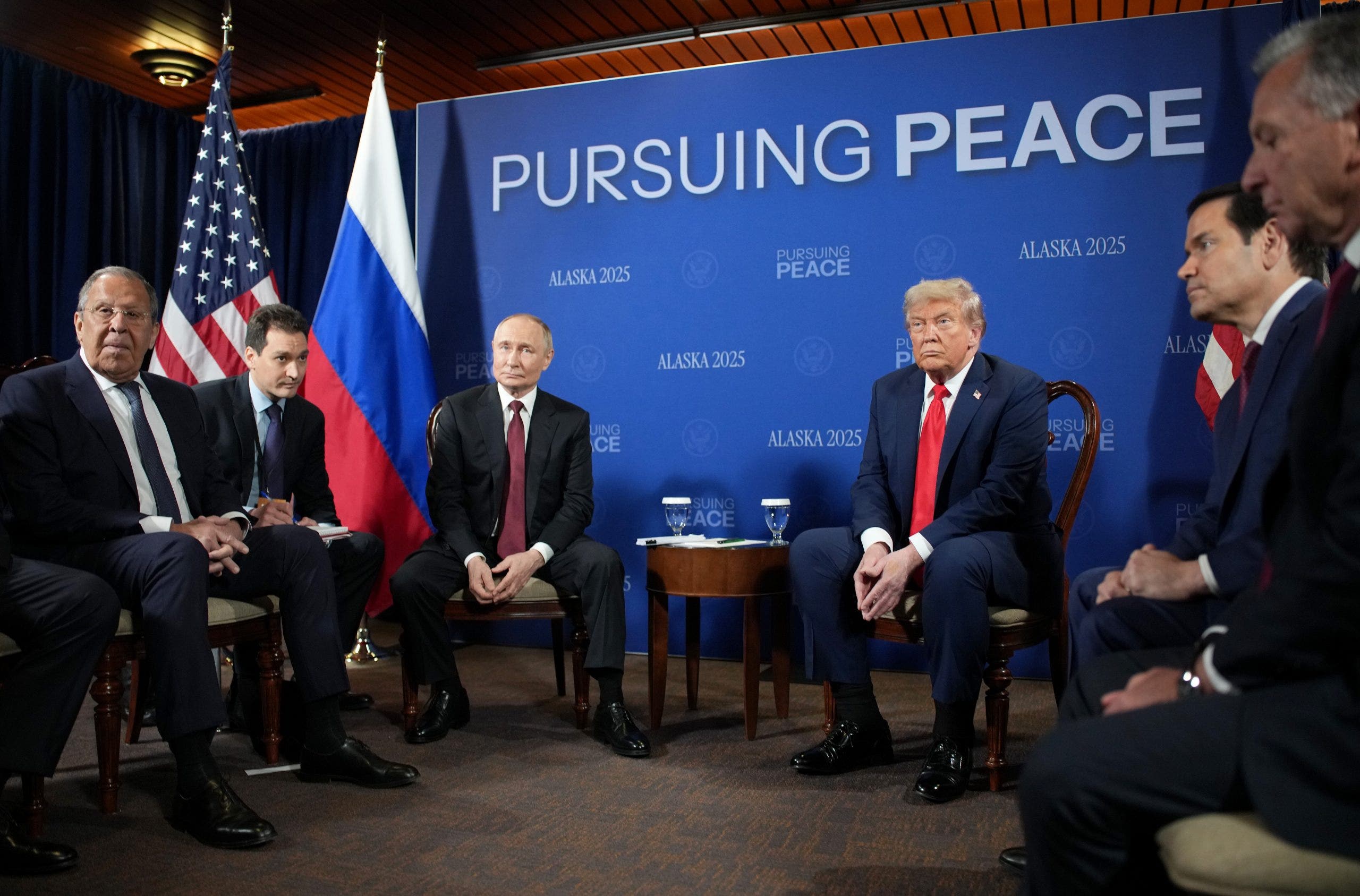
In a stark address to Russia’s upper house of parliament, Foreign Minister Sergey Lavrov delivered pointed warnings to European nations considering deeper involvement in the Ukraine conflict. Speaking before the Federation Council, Lavrov made it clear that while Russia isn’t seeking war with Europe, it stands ready to respond forcefully to what it perceives as escalatory actions from Western powers. “We will respond to any hostile steps, including the deployment of European military contingents in Ukraine and the expropriation of Russian assets. And we are already prepared for this response,” Lavrov stated, establishing Moscow’s red lines in the ongoing international standoff.
The Russian diplomat’s remarks come at a time of shifting diplomatic dynamics, particularly regarding the United States. Lavrov specifically praised former President Donald Trump’s approach to potential settlement, describing him as the “only Western leader” who understands why the war was, in Lavrov’s view, “inevitable.” This acknowledgment of Trump’s perspective suggests Moscow sees potential openings in the changing U.S. administration’s approach, despite noting that Trump has actually increased sanctions against Russia rather than lifting them. These comments reveal the complex calculations being made in Moscow as it navigates relationships with Western powers while maintaining its military position in Ukraine.
Meanwhile, President Trump has taken a somewhat ambiguous stance on the conflict, suggesting a potential shift in U.S. involvement. In comments at the White House, Trump mentioned discussions with European leaders about Ukraine “in pretty strong words,” but also indicated a reluctance to commit further American resources without conditions. “We’re not spending any money in Ukraine,” Trump stated, adding that his administration is waiting to hear answers from European partners before proceeding. He hinted at a philosophy that sometimes allows conflicts to resolve themselves: “Sometimes you have to let people fight it out, and sometimes you don’t… you’re losing thousands of people a week, and it’s ridiculous.” This language signals a possible disengagement from the previous administration’s approach to supporting Ukraine, creating uncertainty about future U.S. commitments.
As this diplomatic chess match unfolds, Ukrainian President Volodymyr Zelenskyy has been actively engaging with the Trump administration, announcing what he described as the first formal meeting with senior Trump officials regarding Ukraine’s reconstruction. Taking to social media, Zelenskyy characterized the discussion as “productive” and potentially the beginning of a working relationship focused on Ukraine’s recovery. “Together with our team, I held a productive discussion with the American side… In fact, this could be considered the first meeting of the group that will work on a document concerning the reconstruction and economic recovery of Ukraine,” Zelenskyy wrote. This outreach demonstrates Ukraine’s urgency in establishing working relationships with the new U.S. leadership while ensuring continued support for both its security and economic needs.
The Ukrainian president has been developing what he calls the “20 points framework document for ending the war,” which appears to be evolving into multiple tracks of negotiation. According to Zelenskyy, this foundational document is being expanded into at least two additional agreements – one focusing on security guarantees with the United States, and another addressing economic reconstruction and joint investment opportunities. By thanking Trump and his team for their “substantive work and support,” Zelenskyy is clearly attempting to maintain positive momentum with the administration while advancing Ukraine’s interests. This diplomatic balancing act reflects Kyiv’s recognition that American support remains crucial to its position, even as U.S. policy appears to be in flux.
The contrasting narratives from Moscow and Kyiv illustrate the complex geopolitical struggle surrounding the conflict. While Lavrov accuses European powers of obstructing peace efforts and threatens retaliation against increased Western involvement, Zelenskyy works to secure international backing for both Ukraine’s defense and its eventual recovery. Between these positions stands the United States, potentially pivoting toward a different approach under Trump’s leadership. The coming weeks may prove critical in determining whether the conflict moves toward resolution or further escalation, as all sides adjust their strategies in response to shifting diplomatic realities. The stakes remain extraordinarily high, with Lavrov’s warnings serving as a reminder that the risk of wider conflict continues to loom over Eastern Europe, even as talks of reconstruction and peace frameworks proceed in parallel.