


The Next UN Chief: America’s Opportunity to Reshape the International Organization
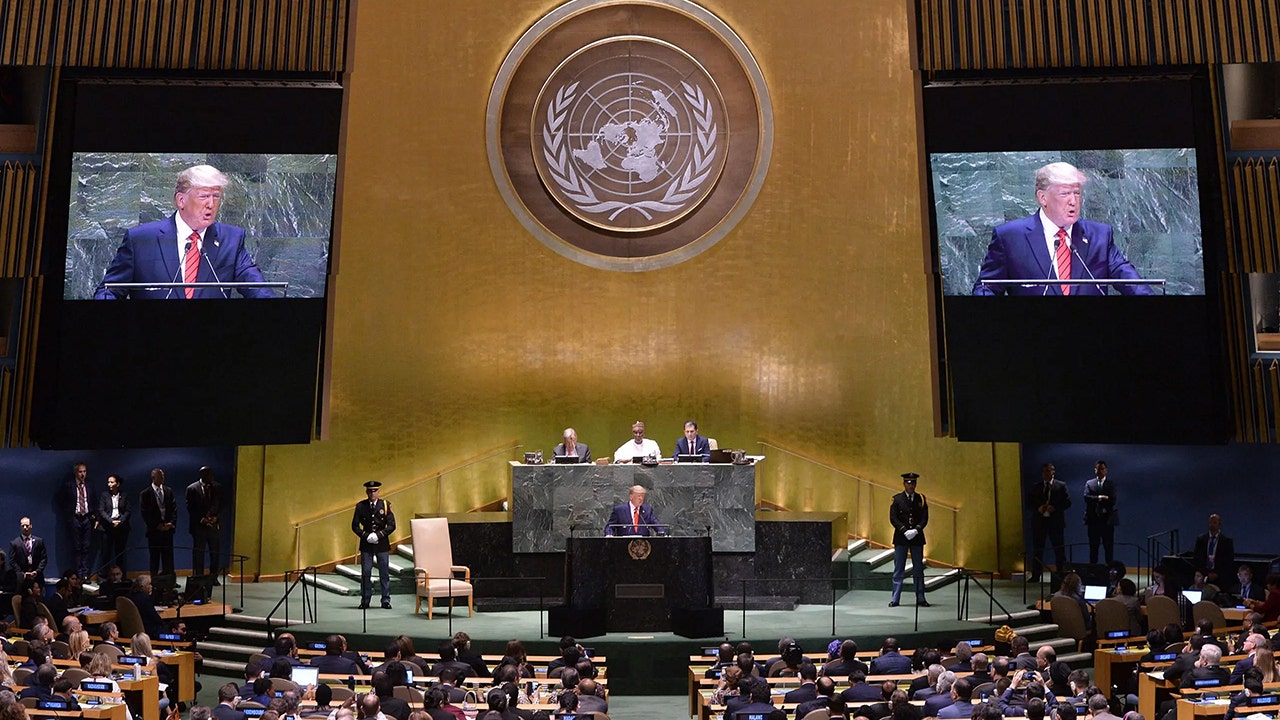
In the waning days of António Guterres’ tenure as the United Nations Secretary-General, which concludes December 31, 2026, the Trump administration faces a critical opportunity to influence the selection of the next UN leader. Experts are urging American officials to take a proactive approach to ensure the next Secretary-General aligns with U.S. interests and Western values—a significant challenge in what many describe as an increasingly anti-American institution. As the UN’s largest financial contributor and host to its headquarters, America has both the responsibility and the leverage to care deeply about who will lead this powerful global organization. With the selection process beginning in earnest, this represents a key moment for American diplomacy to counter the growing influence of adversaries like Russia and China, who can veto any candidate who might champion Western principles.
The former socialist prime minister of Portugal’s leadership has been marred by major international crises and accusations of bias, particularly regarding Israel. Jonathan Wachtel, who served as a senior policy advisor at the U.S. Mission to the UN, describes the organization as “increasingly a frontline of hostility toward the United States,” highlighting the stakes involved in the upcoming selection. Brett Schaefer of the American Enterprise Institute notes that most announced and rumored candidates are either UN insiders or politically left-leaning, making them potentially problematic choices from an American perspective. This creates a challenging diplomatic landscape where finding a candidate who can both secure approval from Security Council members with veto power and represent American values becomes a delicate balancing act.
The selection process itself resembles what former National Security Council advisor Hugh Dugan calls a “three-ring circus,” involving campaigns, straw polls, and candidate eliminations before the Security Council presents its preferred choice to the General Assembly in late 2026. Tradition suggests the next Secretary-General should come from Latin America, and after 15 years of calls for female leadership, there’s significant pressure to appoint a woman. More importantly, Dugan emphasizes that whoever takes the helm of this “suffering, more or less irrelevant and unmanageable organization” must demonstrate exceptional management capabilities. The process has already produced six official candidates with an additional eight potential contenders waiting in the wings.
Among the declared candidates, Rafael Grossi of Argentina appears most aligned with U.S. interests. Currently heading the International Atomic Energy Agency, Grossi has shown “a great deal of courage” in addressing Iran’s nuclear ambitions and working to prevent nuclear disasters in Ukraine. Other candidates include former Bolivian Vice President David Choquehuanca, who has expressed disdain for Western thinking; former Chilean President Michelle Bachelet, who faced criticism during her tenure as UN High Commissioner for Human Rights for condemning Israel and the U.S. while overlooking violations by China and other authoritarian regimes; and former Costa Rican Vice President Rebeca Grynspan, described as a “consummate insider” unlikely to reform the system. The field also includes political activist Colombe Cahen-Salvador and Bruno Donat, a joint Mauritius-U.S. citizen working in the UN Mine Action Service.
The roster of potential candidates further illustrates the ideological challenge facing U.S. interests. Former New Zealand Prime Minister Jacinda Ardern, described as “a global icon of the left,” might enter the race despite questions about her sudden resignation from national leadership. Mexico’s former top diplomat Alicia Bárcena brings 14 years of UN experience but may not align with American priorities. Other possible contenders include Ecuador’s María Fernanda Espinosa, Nigeria’s Amina Mohammed (current UN Deputy Secretary-General), Bulgaria’s Kristalina Georgieva (who leads the International Monetary Fund), and Germany’s Achim Steiner (former head of the UN Development Programme). Most of these candidates come from the political left and would likely face skepticism from a Trump administration.
Anne Bayefsky, director of the Touro Institute on Human Rights and the Holocaust, offers perhaps the starkest warning about what’s at stake: “A long list of anti-American secretaries-general, topped off by the profoundly hostile Antonio Guterres, have done enormous damage to America’s international relations, fueled antisemitism on a global scale and gravely diminished global peace and security.” Her conclusion that “we take a back seat in this election at our peril” underscores the urgency for American leadership to actively shape this consequential decision. As the global balance of power shifts and international institutions face unprecedented challenges, the selection of the next UN Secretary-General represents not just a diplomatic exercise but a crucial opportunity to reaffirm America’s role in defining the future of global governance and the principles that will guide it in increasingly turbulent times.