


NYC Police Commissioner Apologizes After Brother Calls Mayor-Elect “Enemy” of Jewish People
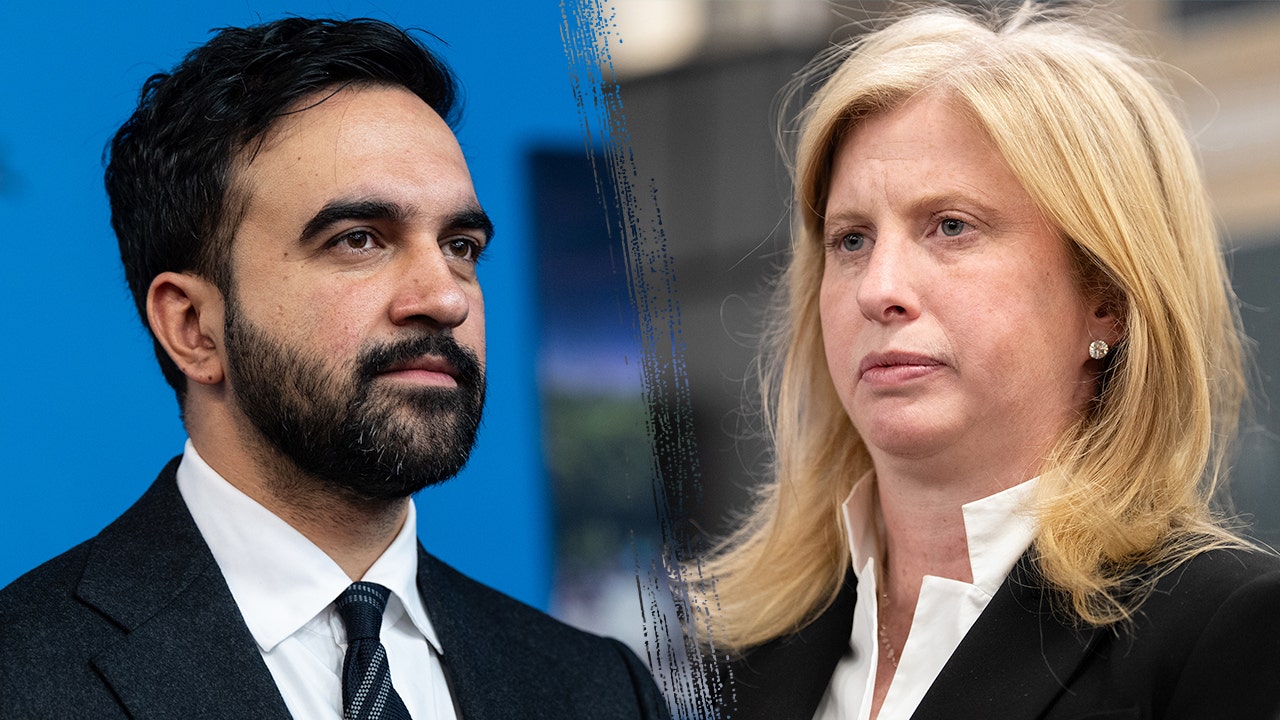
New York City is witnessing an unexpected moment of tension and reconciliation as Police Commissioner Jessica Tisch has personally apologized to Mayor-elect Zohran Mamdani after her brother made inflammatory remarks about him. At a high-profile charity dinner in Manhattan, Benjamin Tisch, billionaire CEO of Loews Corporation, reportedly described Mamdani as an “enemy” of the Jewish people. The incident, which occurred at the Met Council’s annual gala at the Mandarin Oriental Hotel, left attendees in stunned silence. One witness described the moment as jarring, noting the awkwardness was amplified by the fact that Commissioner Tisch had recently agreed to remain as NYPD commissioner under Mamdani’s incoming administration. This public display of hostility comes at a sensitive time, just weeks before Mamdani’s January 1st inauguration.
Addressing the situation at his community meeting known as “Cocoa Chat,” Mamdani took a conciliatory approach, emphasizing that the commissioner had apologized to his team and that he intended to move forward constructively. “The commissioner apologized to my team for those remarks, and I look forward to being a mayor for each and every New Yorker, including Jewish New Yorkers,” Mamdani said. The mayor-elect, who has been a vocal critic of Israel but rejects allegations that his views are antisemitic, stressed that the incident would not interfere with his working relationship with Tisch. Despite their policy disagreements, Mamdani had previously decided to keep Tisch on as police commissioner, stating last month that their differences were “reconcilable” and even “the sign of a healthy partnership to come.”
Commissioner Tisch, through NYPD spokesperson Brad Weekes, shared her own perspective: “I understand the fear in the Jewish community. My sincere belief is that the mayor-elect will live up to the commitment he’s made to be a mayor for all New Yorkers, including the Jewish community.” This statement acknowledges the tensions while expressing confidence in Mamdani’s stated intention to govern inclusively. The commissioner appears to be walking a delicate line between family loyalty and professional responsibility, having chosen to apologize for her brother’s remarks while maintaining her working relationship with the incoming mayor. It’s worth noting that while members of the wider Tisch family reportedly donated more than $1 million to super PACs opposing Mamdani during the mayoral race, Commissioner Tisch herself did not contribute to these efforts.
The incident highlights the complex intersection of personal, political, and communal relationships that often characterize New York City’s governance. Mamdani, a democratic socialist whose views on Israel have drawn both support and criticism, emphasized his commitment to focusing on shared goals rather than ideological differences. “My focus in my conversations with Commissioner Tisch is on delivering public safety and doing so in tandem with justice for New Yorkers across the five boroughs,” he stated. “The apology was one that she conveyed to the team. I appreciated it, and my focus is back on delivering.” This pragmatic approach suggests Mamdani is attempting to demonstrate his ability to work effectively with those who may disagree with some of his positions, a necessary skill for governing a diverse city with many competing interests.
The backdrop to this incident reveals deeper tensions around Mamdani’s upcoming administration. The Anti-Defamation League recently launched a “Mamdani Monitor” to track the mayor-elect over antisemitism concerns, indicating ongoing skepticism from some Jewish organizations about his leadership. Meanwhile, outgoing Mayor Eric Adams has issued orders blocking New York City from boycotting Israel, in what appears to be a preemptive move against potential policy changes under Mamdani. These developments suggest that Mamdani will face continued scrutiny and potential resistance as he prepares to take office, particularly regarding his positions on Israel and the Middle East. The incident at the charity dinner has brought these underlying tensions to the surface in a very public way.
As New York City prepares for this transition in leadership, the resolution of this incident offers both challenges and opportunities. For Mamdani, the situation provides an early test of his ability to navigate complex relationships and demonstrate leadership in the face of criticism. For Commissioner Tisch, it presents a challenge in balancing professional responsibilities with personal and family connections. For New Yorkers watching this unfold, it offers a glimpse into the interpersonal dynamics that often influence city governance behind the scenes. The willingness of both Mamdani and Tisch to acknowledge the incident, exchange an apology, and commit to moving forward suggests a mutual recognition of the importance of maintaining functional working relationships despite differences. As the January 1st inauguration approaches, all eyes will be on how these early interactions develop into the working relationships that will shape New York City’s future.