

Serial Offender Arrested for Multiple Manhattan Assaults and Burglary
In a troubling series of events that has heightened concerns about public safety in New York City, 45-year-old James Rizzo was arrested after allegedly committing multiple unprovoked attacks on women and burglarizing NYU off-campus housing. Rizzo, a level-two sex offender with 16 prior arrests, now faces charges of forcible touching, persistent sexual abuse, and assault following the most recent incident involving 20-year-old NYU student Amelia Lewis. The attack, which occurred Monday morning, was captured on security cameras and shows Rizzo approaching Lewis from behind, slapping her head and buttocks, pulling her hair, and throwing her to the ground before fleeing the scene. Lewis later described the frightening encounter in a social media video, saying, “When I turned around, I saw this old White guy and, like right when I turned around, he grabbed my hair like this and yanked me and threw me to the ground.”
This attack on Lewis wasn’t an isolated incident but appears to be part of a pattern of random assaults allegedly committed by Rizzo. Just days earlier, on Thanksgiving evening, he reportedly attacked 68-year-old Jana Dianne Brazell, who was visiting family in New York City. Brazell recounted how Rizzo appeared suddenly, made bizarre statements about society being “a joke,” and then violently pushed her into a glass wall of a building. The encounter lasted only “six seconds” according to Brazell, but it resulted in her requiring six stitches after falling to the ground. The seemingly random nature of both attacks has left victims and community members shaken and concerned about the unpredictability of such violence on city streets.
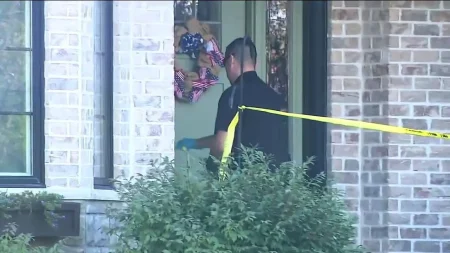
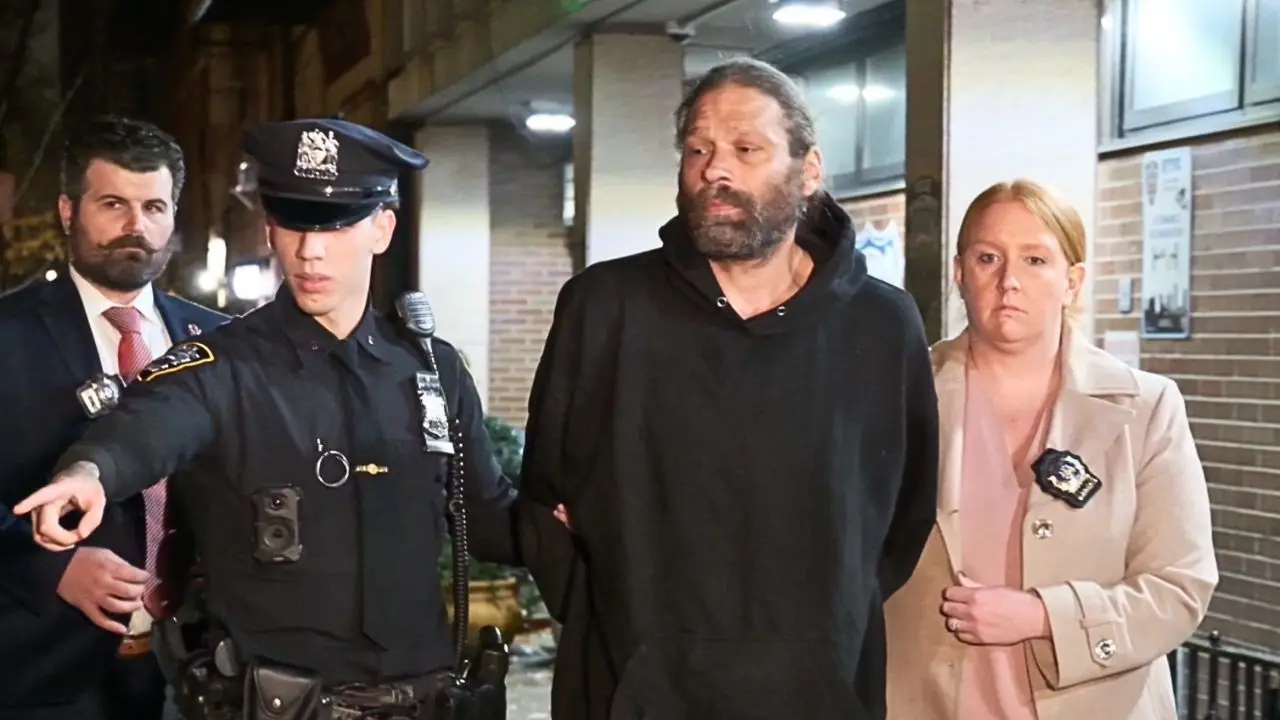
Rizzo’s crime spree came to an end when he was apprehended Tuesday while breaking into an NYU off-campus housing complex in the Washington Square Park area. Police discovered him at approximately 1 a.m., burglarizing multiple apartments and stealing electronic devices, a suitcase, a backpack, and other items valued at approximately $3,150. Authorities managed to track one of the stolen laptops and found it was still in the building, which led investigators directly to Rizzo. According to Assistant District Attorney Kailey Wilk, the suspect was found “alone in a vacant penthouse surrounded by the items that were stolen,” bringing a temporary conclusion to his series of criminal activities throughout Manhattan.
During his arraignment, Rizzo’s defense attorney requested supervised release, pointing to the defendant’s housing instability and mental illness as mitigating factors. It was revealed that Rizzo had been released from prison only in September and had failed to check in with his parole officer since October 23, effectively disappearing from supervision for over a month. “We could not find Mr. Rizzo until he was arrested yesterday,” his parole officer stated during court proceedings. These circumstances raise serious questions about the effectiveness of monitoring systems for released offenders, particularly those with extensive criminal histories and known mental health challenges.
The judge denied the request for supervised release and ordered Rizzo held without bail, recognizing the potential danger he posed to the community given the violent and unpredictable nature of his alleged crimes. Additionally, the judge requested a psychological evaluation while Rizzo remains in custody, acknowledging the potential role mental health issues may have played in his behavior. This case highlights the complex intersection of criminal justice, mental health care, and public safety that cities like New York continually navigate. For victims like Lewis and Brazell, the arrest provides some measure of relief, though the psychological impact of such random violence often lingers long after physical injuries have healed.
These incidents have reignited conversations about street safety in Manhattan, particularly around university campuses where young students may be vulnerable. NYU and other educational institutions face ongoing challenges in protecting their communities in an open urban environment. While security cameras proved vital in identifying and apprehending the suspect in this case, prevention of such random acts of violence remains difficult. As this case moves through the justice system, it serves as a stark reminder of the unpredictable threats that can emerge in urban settings and the importance of maintaining effective systems to monitor individuals with histories of violent behavior while also addressing underlying issues like mental illness and homelessness that may contribute to recidivism.