


A Monkey’s Journey: From Escape to Sanctuary
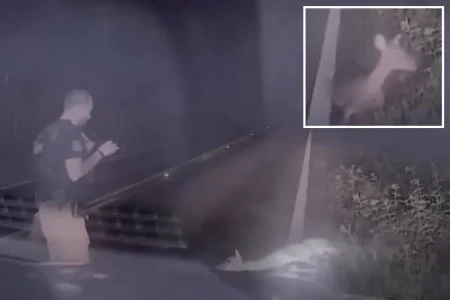
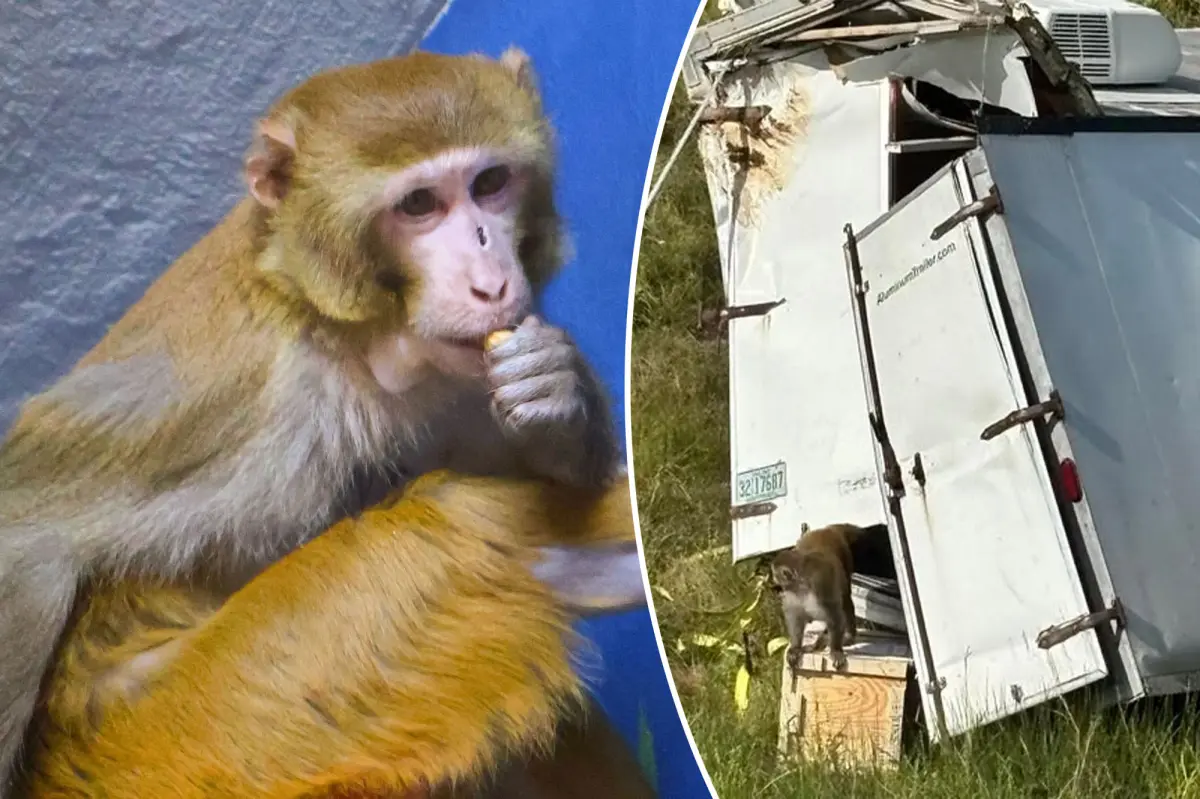
In late October, a series of extraordinary events unfolded when a truck transporting 21 rhesus macaques for biomedical research crashed on Interstate 59 near Heidelberg, Mississippi. Among these primates was Forrest, a young adult macaque whose life was about to take an unexpected turn. The accident on the rural highway resulted in immediate chaos as wooden crates broke open, releasing disoriented monkeys into unfamiliar territory. Law enforcement body camera footage captured the frantic scene as the animals darted across the grassy median, some dangerously approaching vehicles on the busy interstate. The immediate aftermath was tragic, with five monkeys losing their lives during the initial search and capture efforts, highlighting the perilous situation these animals faced.
While most of the surviving monkeys were quickly recaptured, Forrest and two companions managed to evade the officers at the crash site and escape into the surrounding area. Their flight triggered concerns among local communities, as authorities warned residents about the potential danger posed by these animals. Rhesus macaques, despite their relatively small size, are known for their aggressive tendencies when feeling threatened. This warning proved prescient when the two other escapees were later shot and killed by civilians who cited protection of their families and neighborhoods as the motivation for their actions. Meanwhile, Forrest demonstrated remarkable survival skills, managing to remain free for approximately a week in an environment vastly different from anything he had previously experienced.
Forrest’s week of freedom came to an end when a resident living near the crash site spotted the lone macaque and alerted authorities. Workers from one of the companies responsible for the original transport subsequently captured him. While this concluded his adventure in the wild, it opened a new chapter in his life – one that would eventually lead him far from the trauma of the Mississippi highway. Unlike his original destiny of becoming a research subject, Forrest was given an opportunity that many laboratory primates never receive: the chance to live out his days in a sanctuary setting where his needs as a sentient being, rather than his utility as a research subject, would take priority.
This fortunate turn of events brought Forrest to the Popcorn Park Animal Refuge in Lacey Township, New Jersey, a nonprofit organization dedicated to providing permanent homes for wildlife, exotic, and farm animals that have been abandoned, injured, or neglected. At this sanctuary, far from the biomedical laboratory that was to be his destination, Forrest has begun the process of adaptation to his new life. Sanctuary staff report that he has been gradually acclimating to his surroundings, a process that requires patience and understanding of the psychological impact that such traumatic experiences can have on intelligent primates. His diet now consists of animal kibble supplemented with treats like grapes and peanuts – simple pleasures that would have been unlikely in a research setting.
Perhaps most significant in Forrest’s new life is the developing relationship with his caretakers. Staff at Popcorn Park note that he has been slowly building trust with the humans who now look after him – a remarkable achievement considering his recent experiences. This trust-building process is essential for his psychological well-being and speaks to the resilience of these intelligent animals. For Forrest, the sanctuary represents not just physical safety but also the opportunity to express natural behaviors and form social connections that would be severely limited or impossible in a laboratory environment. His journey from research subject to crash survivor to sanctuary resident highlights the complex ethical questions surrounding the use of non-human primates in research and the responsibility we bear for their welfare.
The Popcorn Park Animal Refuge is now seeking donations to support Forrest’s ongoing care, reflecting the significant resources required to properly maintain these complex animals. His story – from the harrowing escape on a Mississippi highway to his new life in a New Jersey sanctuary – represents both tragedy and hope. While nothing can undo the trauma he experienced or bring back the monkeys who lost their lives, Forrest’s second chance at a dignified existence stands as a reminder of our capacity for compassion. As he continues to adjust to sanctuary life, his journey serves as a powerful illustration of how unforeseen circumstances can sometimes lead to unexpected redemption, transforming what began as a tale of exploitation and danger into one of rescue and rehabilitation.