


Lucky Tourist Strikes Gold on Thanksgiving in Las Vegas
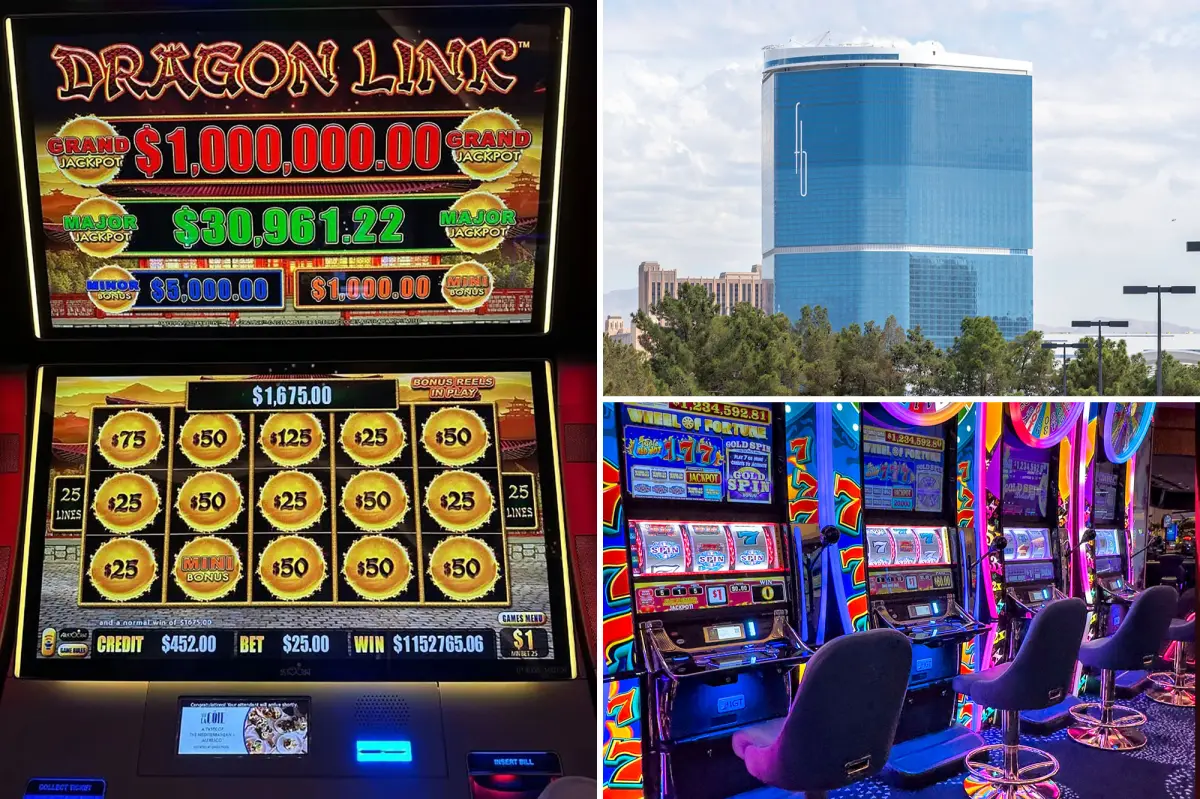
In a heartwarming turn of events this Thanksgiving, an anonymous tourist at the Fontainebleau Las Vegas resort and casino experienced the ultimate holiday blessing. While many Americans were gathering around dinner tables giving thanks, this fortunate visitor placed a modest $25 bet on a Dragon Link slot machine in the high-limit gaming area—and walked away with an astonishing jackpot exceeding $1,152,000. The winner, who has chosen to remain anonymous, likely never imagined their holiday visit to Sin City would result in such a life-changing windfall. This remarkable win stands as a bright spot of joy amid challenging times for Las Vegas tourism, serving as a reminder that sometimes, against all odds, dreams really do come true in the city that never sleeps.
Las Vegas has been experiencing troubling tourism trends in recent months, with visitor numbers in September dropping to just over 3 million—representing an 8.8% decrease compared to the same period last year, according to the Las Vegas Convention and Visitors Authority. This downturn has raised concerns throughout a city whose economic lifeblood depends heavily on a steady stream of tourists eager to experience its unique blend of entertainment, dining, and gambling opportunities. However, not all economic indicators paint a gloomy picture. Despite fewer visitors walking through casino doors, gaming revenue on the Strip has actually increased by 5.5%, suggesting that while fewer people may be coming to Las Vegas, those who do visit are spending more at the gaming tables and slot machines. Similarly, downtown Las Vegas has seen gaming revenue increase by over 8%, indicating that some areas of the city’s entertainment economy remain resilient even as overall tourism numbers decline.
Many tourists interviewed by Fox News Digital cited the increasingly high prices as a major deterrent for visitors. A couple from the United Kingdom, finishing up a cross-country American road trip in Las Vegas, expressed their surprise at the city’s price tags. The husband, Ben, noted that Vegas seemed “a bit more expensive than other places we’ve been in the States,” highlighting their morning coffee run that cost them “$20 for two coffees.” This sentiment was echoed by numerous other visitors who found themselves experiencing sticker shock at what many considered to be basic purchases. The steep pricing appears to be a significant factor driving the decline in tourism, as potential visitors weigh the value proposition of a Vegas vacation against increasingly expensive alternatives.
The high cost of refreshments was a recurring theme among tourists’ complaints. Katherine from College Station, Texas, who was celebrating her daughter Cammie’s 16th birthday in Las Vegas, expressed disbelief at paying $14 for “just a latte with a few extra flavors.” Her teenage daughter Cammie shared similar sentiments, mentioning a $12 lemonade purchase and noting that “water bottles are so expensive.” These comments highlight a growing frustration among visitors who feel that even simple refreshments in Las Vegas have become luxury items with premium price tags. When basic necessities like water and coffee command such high prices, tourists—particularly those traveling on more modest budgets or with families—may increasingly look to other destinations that offer better value for their vacation dollars.
The pricing concerns extend well beyond just beverages, affecting many aspects of the Las Vegas experience. A father joining his son’s 21st birthday celebration mentioned paying $25 for a single gin and tonic at a pool and $13 for a cup of coffee—prices that would have been unthinkable in most other American cities. Even more shocking was one young man’s mention of hearing about a $95 ATM fee on the Strip, an amount that would make even the most carefree spender think twice. These escalating costs across all aspects of the Vegas experience—from accommodations and entertainment to food and beverages—create a cumulative effect that makes the destination increasingly prohibitive for middle-class travelers and families. As basic amenities command luxury prices, many potential visitors are reconsidering whether the Las Vegas experience justifies the growing expense.
The contrast between the anonymous tourist’s million-dollar jackpot and the broader economic challenges facing Las Vegas creates an interesting paradox. On one hand, the city continues to deliver on its promise of life-changing winnings and glamorous experiences for some lucky visitors. On the other hand, the increasing cost of experiencing Las Vegas threatens to undermine its longtime appeal as a destination where visitors of various economic backgrounds could enjoy world-class entertainment. This tension between accessibility and exclusivity presents a significant challenge for the city moving forward. While the lucky Thanksgiving winner’s story offers a glimmer of the Vegas dream at its most magnificent, the declining visitor numbers suggest that for many potential tourists, the cost of chasing that dream has become too steep. As Las Vegas navigates this challenging landscape, finding ways to maintain its allure while addressing concerns about affordability may prove to be its most important gamble yet.