


Former US Marine’s Prison Sentence in Russia Extended to 10 Years
A Pattern of Escalating Charges
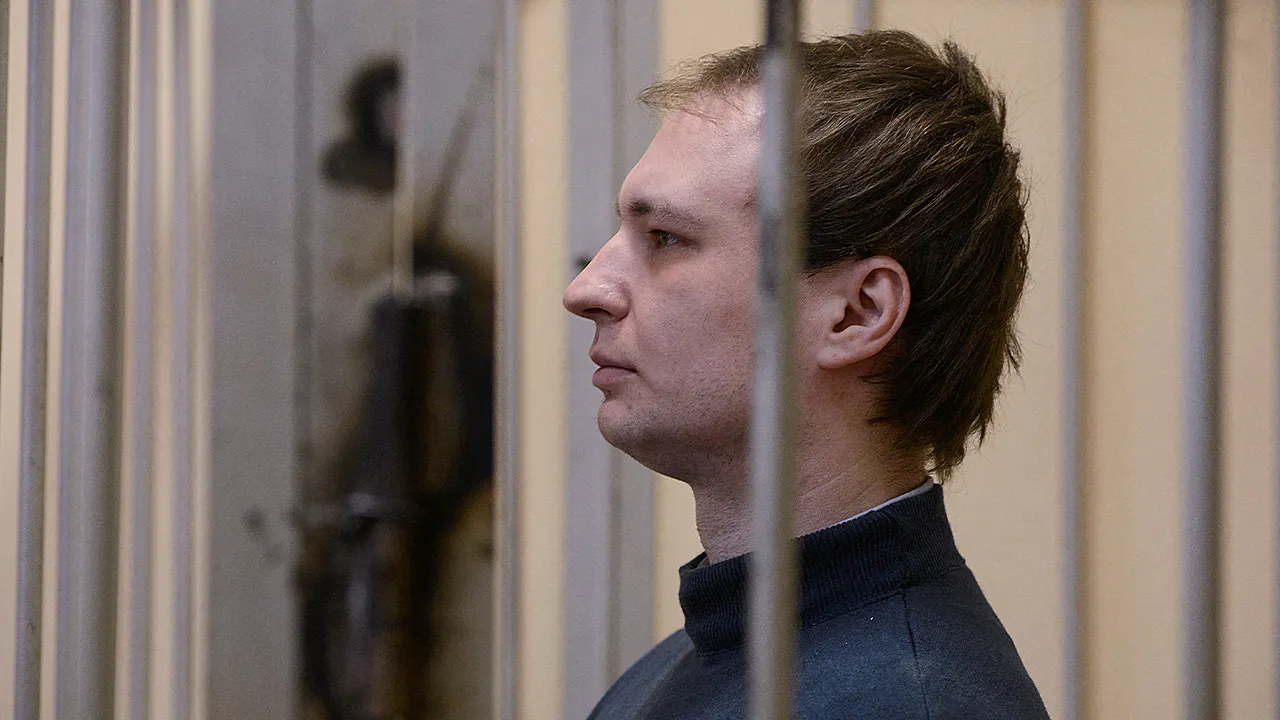
Robert Gilman, a former US Marine from Dracut, Massachusetts, has seen his prison sentence in Russia grow once again. A regional court in Voronezh has added two more years to his term after finding him guilty of assaulting prison staff, bringing his total sentence to 10 years. This latest extension follows a troubling pattern that has seen Gilman’s imprisonment steadily lengthen since his initial arrest in 2022. What began as a detainment for public disturbance on a train has evolved into a decade-long sentence through a series of incidents and charges that have accumulated during his time in custody. The case highlights the precarious situation faced by Americans detained in the Russian justice system, where initial charges can escalate significantly once a foreign national is in custody.
The Initial Arrest and Circumstances
Gilman’s ordeal began in January 2022 when he was removed from a train traveling between Sochi and Moscow. Fellow passengers had reported that he was intoxicated and causing a disturbance, leading transport police to detain him in Voronezh on charges of petty hooliganism. According to Gilman’s later testimony, he believed his drink had been spiked, suggesting he may not have been fully responsible for his behavior. He was traveling to replace a damaged passport when the incident occurred. The situation quickly escalated when Gilman allegedly kicked a Russian police officer during his removal from the train, causing a bruise. This interaction formed the basis for his first serious charge – assaulting a police officer – for which he received an initial sentence of three and a half years in 2022, despite prosecutors recommending four and a half years of a possible five-year maximum.
Escalation of Charges While in Custody
What has made Gilman’s case particularly concerning to outside observers is how his sentence has more than doubled while in detention. In 2024, he was found guilty of multiple new offenses that occurred within the prison system: attacking a prison inspector during a cell check, assaulting an investigator, and beating another guard. These incidents collectively added significantly to his sentence, bringing it to over eight years before the most recent extension. According to Russian media outlets including Kommersant, Gilman has admitted to some of these assaults, providing some context for his behavior. He explained that he began breaking prison rules after being threatened with transfer from his current detention facility – which he described as “humane” and where he could receive packages from relatives – to a maximum-security penal colony. His actions appear to have been, at least in part, an effort to remain in the Voronezh facility rather than face potentially harsher conditions elsewhere.
The Latest Conviction and Gilman’s Response
Wednesday’s ruling stems from accusations that Gilman attacked two prison guards, which the court determined constituted a new offense warranting the additional two-year punishment. During this most recent court appearance, Gilman took a conciliatory approach, apologizing for his actions and reiterating his preference to remain in the Voronezh facility rather than be transferred elsewhere. This strategy appears to reflect a pragmatic acceptance of his situation, as his lawyer, Irina Brazhnikova, told the state-run TASS news agency that Gilman would not appeal this newest verdict. This decision suggests either resignation to his circumstances or perhaps a strategic choice to avoid further antagonizing the Russian justice system. The extent to which his military background as a former US Marine may have influenced how Russian authorities have handled his case remains unclear, though it’s worth noting that several other Americans currently detained in Russia also have US military backgrounds.
The Broader Context of Americans Detained in Russia
Gilman is not alone in his predicament. He is among at least nine American citizens currently imprisoned in Russia, despite multiple high-profile prisoner exchanges that have occurred in 2024 and 2025. Others with US military backgrounds include Michael Travis Leake and Gordon Black, suggesting a potential pattern in Russia’s detention practices. These cases occur against the backdrop of severely strained US-Russia relations following Russia’s invasion of Ukraine and subsequent Western sanctions. Supporters of Gilman in the United States have argued that he was ill when first detained and was later provoked into actions that produced additional charges, suggesting his case may reflect broader political tensions rather than straightforward criminal justice. The difficulty of securing consular access and ensuring fair treatment for detained Americans has been a recurring diplomatic challenge, with cases like Gilman’s highlighting the vulnerability of US citizens traveling in Russia during this period of heightened geopolitical friction.
Implications and Humanitarian Concerns
The progressive lengthening of Gilman’s sentence raises significant humanitarian and diplomatic questions. His case exemplifies how initial minor offenses can escalate into lengthy imprisonments for foreigners in Russia, particularly Americans. The fact that Gilman has apparently given up on appealing his latest conviction speaks to the challenges faced by foreign detainees navigating the Russian legal system. His expressed preference to remain in his current detention facility rather than risk transfer to a maximum-security penal colony also reveals the stark calculus prisoners must make regarding their conditions of confinement. As Gilman now faces the prospect of spending a decade in Russian custody for what began as disruptive behavior on a train, his case serves as a sobering reminder of the serious risks Americans face when traveling to Russia during this period of diplomatic tension. With prisoner exchanges occurring but not benefiting all detained Americans, the path forward for individuals like Gilman remains uncertain, dependent on both the evolution of US-Russia relations and the complex dynamics of international prisoner negotiations.