


Student Arrested for Alleged Plot Against University of Delaware Police
In a deeply troubling incident that has shaken the University of Delaware community, 25-year-old undergraduate student Luqmaan Khan was recently arrested following the discovery of what authorities describe as a planned attack against the university’s police department. The case, which combines elements of campus security concerns with broader issues of gun control and threat assessment, highlights the ongoing challenges educational institutions face in keeping their communities safe. Following a routine traffic stop in New Castle County, law enforcement uncovered an alarming cache of weapons and detailed attack plans that prompted immediate action from both local and federal authorities, resulting in Khan’s arrest and temporary separation from the university.
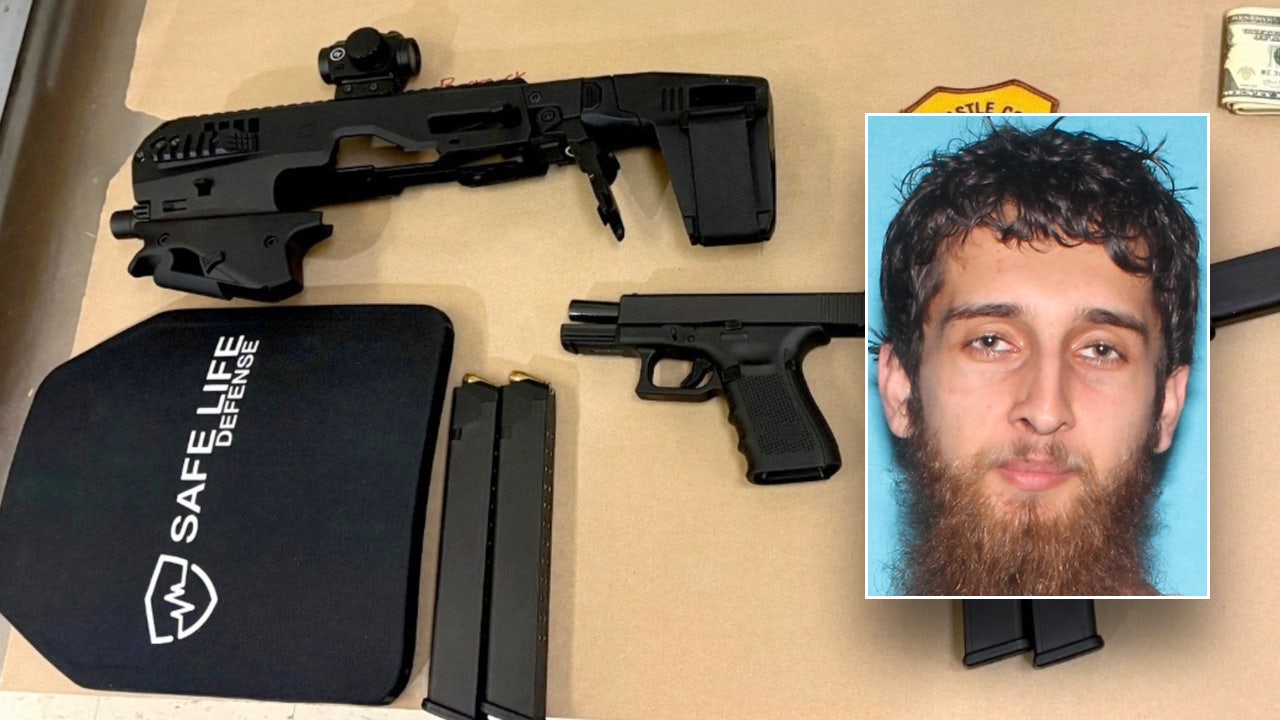
The arsenal discovered during the traffic stop paints a disturbing picture of preparedness for violence. Officers found a .357 caliber Glock handgun loaded with 27 rounds, three additional extended magazines containing the same capacity, ballistic armor, and perhaps most concerning, notebooks containing detailed plans. According to the Justice Department, these handwritten materials discussed weapons capabilities, attack strategies, and methods to evade law enforcement after carrying out violence. Particularly alarming was the specific naming of a University of Delaware Police Department member and a carefully drawn layout of the police station with entry and exit points marked. These elements suggest a level of premeditation and targeting that elevated the situation from a weapons violation to what authorities considered a serious and imminent threat against campus law enforcement.
The investigation deepened when the FBI conducted a search of Khan’s Wilmington residence, where they discovered an even more extensive collection of weapons and tactical gear. Among the items seized were a Glock 19 9mm handgun equipped with an illegal machine gun conversion device (commonly called a “switch”), a .556 rifle with a scope and red dot sight, eleven additional extended magazines, hollow-point ammunition, and a tactical vest with ballistic plating. The presence of the illegal conversion device—which can transform a semi-automatic weapon into one capable of fully automatic fire—led federal authorities to charge Khan with illegally possessing a machine gun, an offense that carries a potential 10-year prison sentence. This federal charge represents just the beginning of what may become a complex legal case involving both state and federal prosecutions.
University leadership, under interim President Laura Carlson, moved quickly to address community safety concerns while cooperating fully with the ongoing investigation. In a letter to the campus community, Carlson confirmed that Khan had been “temporarily separated from the University, including a ban from all UD campuses while legal matters are being resolved.” Her message struck a balance between transparency about the nature of the threat and reassurance about current campus safety, stating explicitly that “There are no known or immediate threats to the University of Delaware community.” Nevertheless, she acknowledged the emotional impact of the situation, writing, “This is frightening to all of us”—a sentiment that likely resonates across a campus community forced to confront the reality that one of their own allegedly planned violence against those tasked with protecting them.
The case represents what acting U.S. Attorney Julianne E. Murray described as “a quintessential example of federal and state law enforcement collaborating to neutralize a grave threat to Delaware before the worst could come to pass.” Indeed, the coordination between multiple agencies appears to have been crucial in preventing potential violence. From the initial traffic stop that led to the discovery of weapons to the subsequent FBI investigation and federal charges, the response demonstrates how law enforcement at different levels can work together effectively when facing complex threats. This coordination becomes increasingly important in cases involving educational institutions, where jurisdictional questions between campus police, local law enforcement, and federal agencies could potentially complicate rapid response to emerging threats.
As the legal process unfolds, this case raises broader questions about campus security, threat assessment protocols, and the balance between individual rights and community safety. Universities nationwide continue to develop and refine their approaches to identifying concerning behaviors before they escalate to violence, while also respecting the privacy and due process rights of their students. The University of Delaware’s swift action to separate Khan from campus demonstrates one protective measure institutions can take when credible threats emerge. However, the case also serves as a sobering reminder that despite best efforts at prevention, educational communities remain vulnerable to potential violence—making ongoing vigilance, cooperation between law enforcement agencies, and community awareness essential components of campus safety strategies across the country.