



AWS Re:Invent Reveals That Cloud Cost Savings Still Trump AI Hype
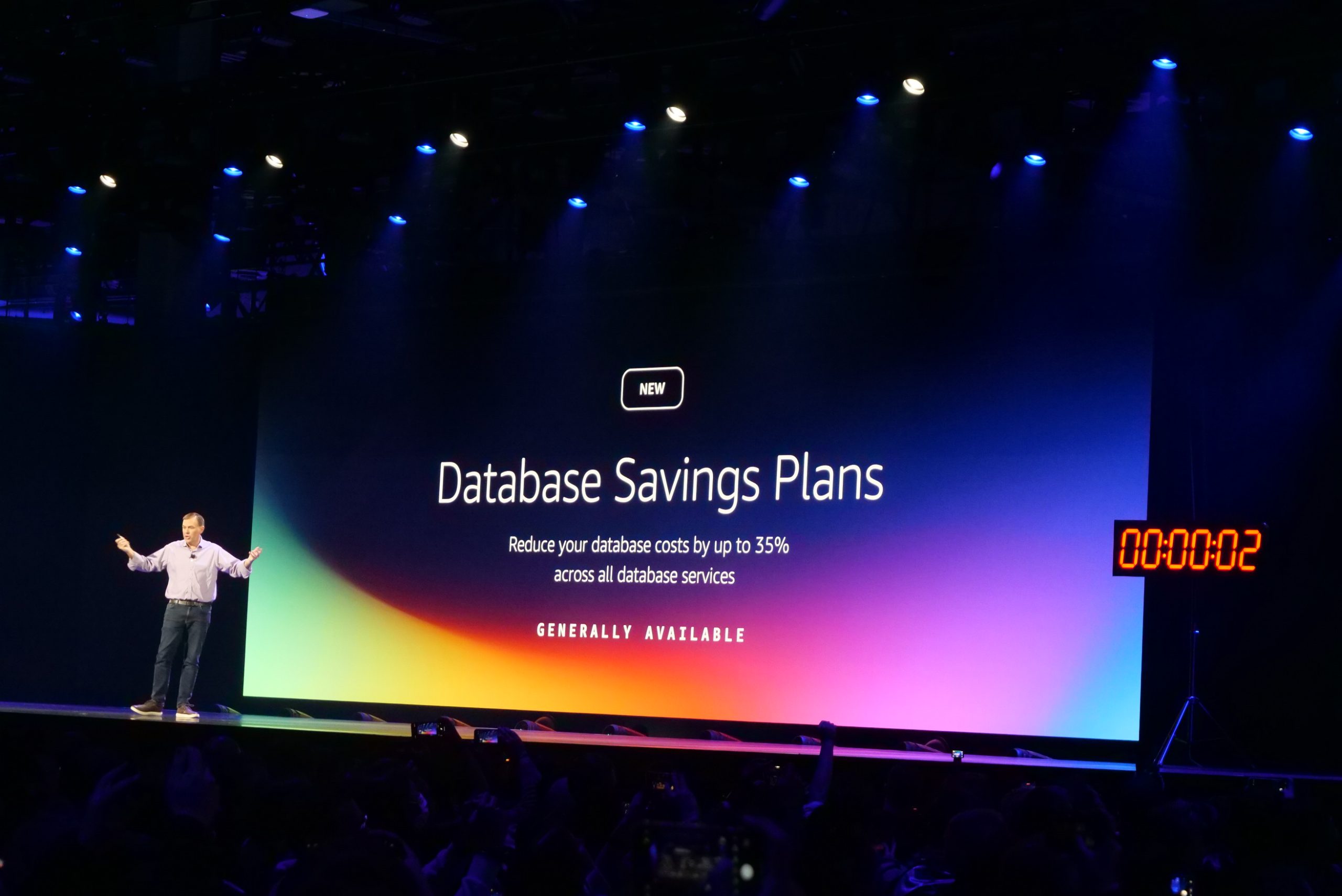
In a moment that perfectly captured the current state of cloud computing, AWS CEO Matt Garman discovered that after showcasing cutting-edge AI technology for nearly two hours, what truly excited developers was a straightforward financial benefit. During his Tuesday morning keynote at the AWS re:Invent conference in Las Vegas, Garman introduced Database Savings Plans with just seconds remaining on his presentation clock—and the announcement prompted some of the loudest applause of the day. This reaction highlighted an important reality: while artificial intelligence dominates tech headlines, many organizations are still primarily concerned with managing their everyday cloud costs effectively.
The newly introduced Database Savings Plans offer customers up to 35% in savings across popular services like Aurora, RDS, and DynamoDB when they commit to a one-year term. What makes these plans particularly valuable is their unprecedented flexibility—customers can now switch between database engines or change regions without sacrificing their discounts. This practical approach to cloud economics addresses a pain point that, according to cloud economist Corey Quinn, has existed for six years. Quinn, known for his sarcastic commentary and expertise in reducing AWS bills, praised the plans for being “better than they have any right to be” while still noting several limitations. These include the absence of three-year commitment options for deeper discounts, exclusion of older instance generations, and no coverage for storage or backup costs. Perhaps most significantly, Quinn pointed out the missed opportunity to allow customers to shift spending between compute resources (EC2) and databases.
The enthusiastic reception to these savings plans reveals an interesting dichotomy in today’s cloud computing landscape. While AWS and other providers heavily promote their advances in large language models, specialized AI chips, and autonomous agents, many of their customers remain focused on the fundamentals: how to keep their cloud bills manageable while maintaining the flexibility to adapt as business needs change. This isn’t to suggest that AI innovations aren’t valuable, but rather that cloud economics continues to be a top priority for organizations of all sizes as they scale their cloud usage.
Interestingly, the Database Savings Plans weren’t the only basic infrastructure improvement to generate significant audience excitement. Lambda durable functions—which allow serverless code to pause and wait for long-running background processes without failing—received similarly enthusiastic applause. This feature addresses a common frustration for developers working with serverless architectures who previously had to implement workarounds for processes that exceeded standard timeout limits. The positive response to both announcements demonstrates that improvements to core infrastructure capabilities still matter deeply to AWS customers, even as attention shifts toward more advanced AI capabilities.
Garman cleverly structured his keynote to acknowledge this balance between cutting-edge AI and foundational cloud services. After extensive AI-focused announcements, he introduced a novel “lightning round” segment—a 10-minute sprint through 25 non-AI product updates, complete with a basketball-style shot clock displayed on stage. This format not only kept the audience engaged but also served as a tacit acknowledgment that AWS understands its customer base includes many organizations more concerned with practical improvements to existing services than with implementing the latest AI breakthroughs. By saving the Database Savings Plans for the final seconds of this countdown, Garman built anticipation for what he correctly predicted would be one of the most well-received announcements of the day.
As cloud computing continues to mature, this tension between advanced capabilities and cost optimization will likely persist. The enthusiastic response to AWS’s Database Savings Plans serves as an important reminder that while AI may dominate technology discussions, cloud economics remains fundamental to business decisions. Organizations are eager to embrace innovation, but not at any cost—they expect cloud providers to deliver both technological advancement and improved financial efficiency. For AWS and its competitors, finding the right balance between introducing cutting-edge services and helping customers optimize their spending will remain crucial to maintaining customer satisfaction and loyalty in an increasingly competitive cloud marketplace.