




Adams Meets with Mayor-Elect Mamdani: A New Chapter for New York City
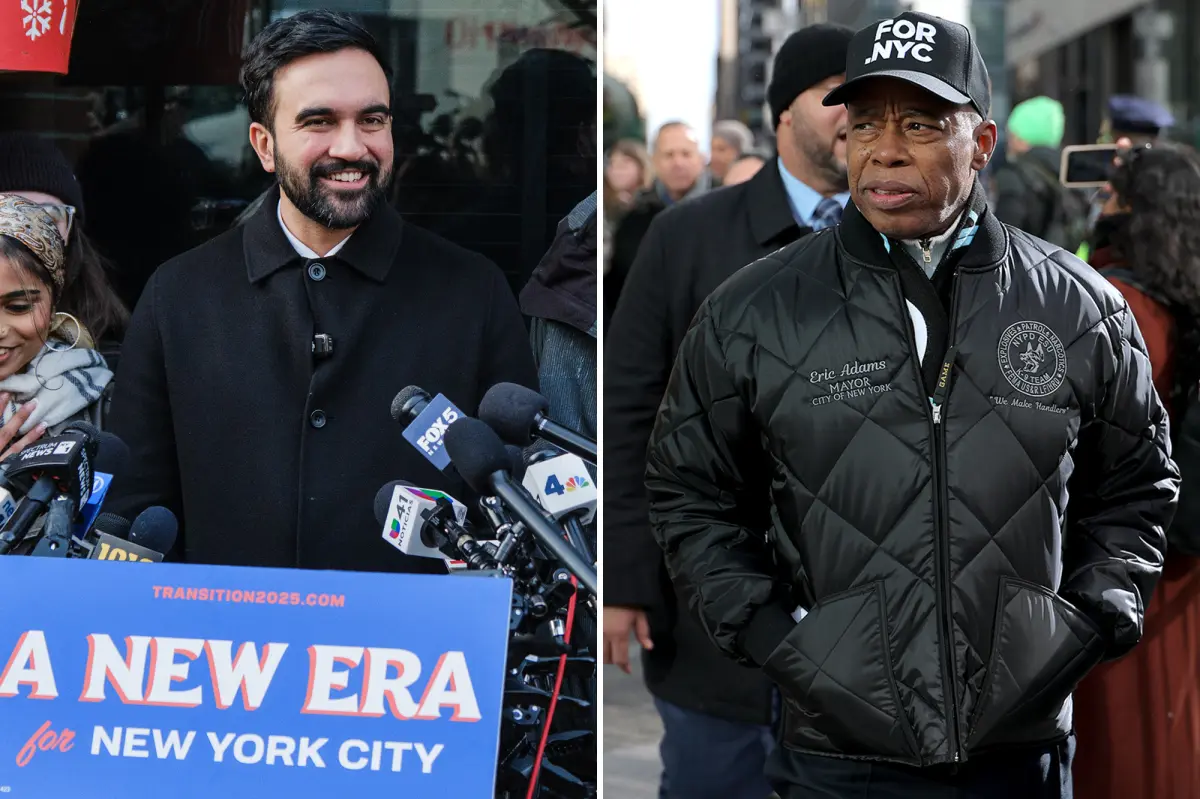
In a significant moment for New York City’s governance, Mayor Eric Adams met with his successor, mayor-elect Zohran Mamdani, at Gracie Mansion on Tuesday afternoon. This first face-to-face meeting between the two leaders marks the beginning of the transition process as the city prepares for new leadership. The meeting, centered around the handover of Adams’ transition document, represents not just a procedural formality but a symbolic passing of the torch in the continuing story of America’s largest city. As Adams announced at an unrelated press conference Tuesday morning, “I am meeting the mayor-elect today at noon, and we are going to turn over a document of our transition,” highlighting the importance of establishing a foundation for a smooth transfer of power.
The meeting brings together two figures with notably different political perspectives. Adams, who has governed with a more moderate approach during his tenure, now finds himself preparing to hand over the keys to the city to Mamdani, widely characterized as representing the progressive wing of New York politics. This transition comes at a pivotal time for New York City, which continues to face significant challenges including public safety concerns, housing affordability, and economic recovery in the post-pandemic landscape. The contrast in their governing philosophies adds an intriguing dimension to this transition, as New Yorkers wait to see how policies might shift under new leadership. For Adams, the meeting presented an opportunity to advocate for the continuation of initiatives he believes have been successful during his administration.
The transition document being handed over serves as a roadmap of sorts, outlining the current state of city affairs, ongoing projects, and recommendations for the incoming administration. This practice has become a tradition in New York City politics, designed to provide continuity in governance despite changes in leadership. “What I must do is show what I have accomplished,” Adams explained, suggesting his intention to make a case for preserving certain aspects of his legacy. This handover process reflects the democratic principle of peaceful transition, a cornerstone of American governance that ensures the continuity of essential city services and operations regardless of political shifts. While the specific contents of the document remain private, it likely contains insights on everything from public safety initiatives to housing programs and economic development projects.
For Mamdani, this meeting represents one of his first official acts as mayor-elect before taking office. As a member of the Democratic Socialists of America and a state assemblyman representing parts of Queens, Mamdani brings a progressive vision that has resonated with enough New Yorkers to secure his election. His victory signals an apparent desire among voters for a different approach to the city’s challenges than what the Adams administration has offered. While Mamdani’s transition team did not immediately respond to calls for comment about the meeting, the session undoubtedly provided him with valuable institutional knowledge as he prepares to assemble his administration and set priorities for his first months in office. This exchange of information is crucial for maintaining stability during governmental transitions.
The meeting between Adams and Mamdani takes place against a backdrop of political change not just in New York City but across the nation. As cities grapple with evolving challenges from housing crises to climate resilience and public safety concerns, the handover of power from one administration to another represents both continuity and change in urban governance. For ordinary New Yorkers, this transition period brings questions about how services they depend on might change, what new initiatives might be launched, and how the city’s direction might shift under new leadership. While the political differences between Adams and Mamdani have been widely noted, both share a fundamental commitment to serving the diverse population of New York City, even if their approaches differ significantly.
As the transition progresses in the coming weeks, both leaders face the challenge of balancing their respective political visions with the practical realities of governing America’s largest city. For Adams, the meeting offers a chance to cement aspects of his legacy and advocate for continuity in policies he believes have been successful. For Mamdani, it presents an opportunity to gain insights while preparing to implement his own vision for the city’s future. What remains constant throughout this transition is New York City itself—a dynamic metropolis of over 8 million residents who will continue to depend on city services regardless of who occupies Gracie Mansion. The peaceful transfer of power, epitomized by this meeting, reflects the enduring strength of democratic institutions even amid political differences, ensuring that New York City continues to function for all its residents through changes in leadership.