


Amazon Launches “Amazon Now”: Ultra-Fast Delivery in 30 Minutes or Less
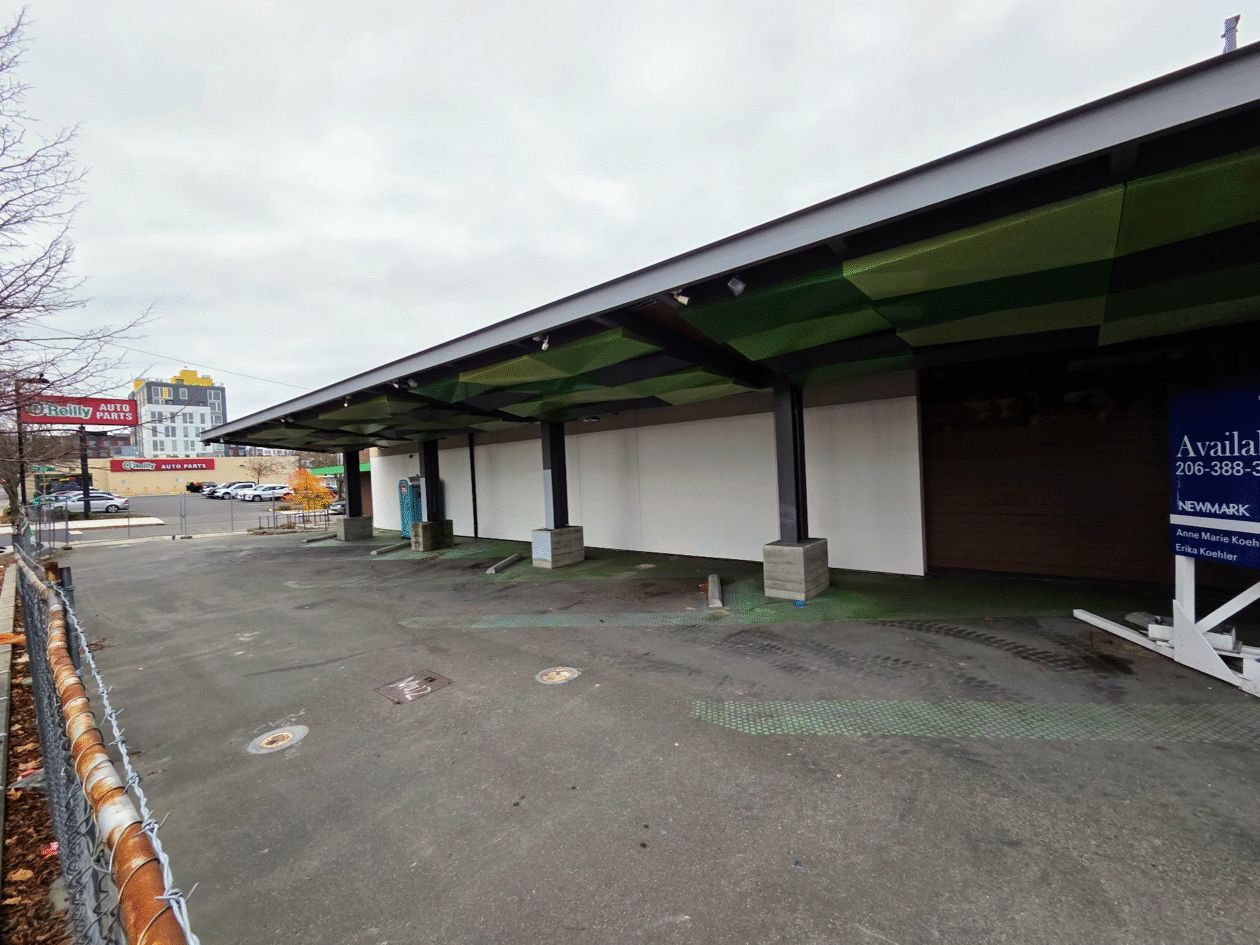
Amazon has officially introduced “Amazon Now,” an ultra-fast delivery service promising to deliver household essentials and groceries in approximately 30 minutes or less. Currently being tested in Seattle and Philadelphia, this new offering represents Amazon’s latest innovation in the competitive rapid-delivery marketplace. The service, which launched on Monday, confirms earlier reporting by GeekWire that Amazon was developing a new rapid-delivery hub at a former Amazon Fresh Pickup location in Seattle’s Ballard neighborhood. Permit filings had revealed the company’s plans to test this novel delivery concept using Amazon Flex drivers dispatched from the repurposed site at 5100 15th Avenue NW, which had been closed since early 2023.
The service is seamlessly integrated within Amazon’s existing shopping app and website, creating a frictionless experience for customers. Those in eligible neighborhoods can simply look for the “30-Minute Delivery” option in the navigation bar, allowing them to browse a specially curated catalog of items, track their orders in real time, and tip their drivers directly through the platform. Amazon has structured the pricing to heavily favor Prime members, who pay significantly discounted delivery fees starting at just $3.99 per order, compared to $13.99 for non-Prime customers. Additionally, there’s a $1.99 “small basket” fee applied to orders under $15, encouraging larger purchases. This pricing strategy clearly aims to both drive Prime membership and ensure order economics make sense for the rapid delivery model.
The range of products available through Amazon Now is impressively comprehensive, focusing on items that consumers typically need quickly. The selection includes fresh groceries like milk, eggs, and produce; household essentials such as paper products, diapers, and toothpaste; personal care items including cosmetics; pet supplies; electronics; seasonal merchandise; over-the-counter medications; and a variety of snacks and convenience foods. This carefully selected inventory addresses immediate consumer needs while maintaining feasibility for the 30-minute delivery promise. While Amazon has launched the service in Seattle and Philadelphia, the company has not yet provided a timeline for expanding Amazon Now to additional markets, suggesting they’ll be carefully evaluating performance before broader rollout.
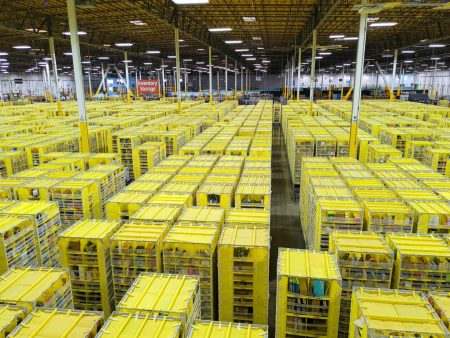
To achieve these remarkably short delivery windows, Amazon has developed a new infrastructure model using smaller, specialized facilities strategically positioned near customer populations. As detailed in GeekWire’s reporting based on permit filings, these locations operate with impressive efficiency: employees pick and bag items in a back-of-house stockroom, stage completed orders on front-of-house shelves, and hand them off to Amazon Flex drivers. The entire process is optimized for speed, with drivers expected to arrive, scan their assigned package, confirm receipt, and depart with the order within approximately two minutes. Perhaps most notably, these operations are designed to run continuously—24 hours a day, seven days a week—functioning “much like a convenience store,” according to the permit documents.
By establishing these Amazon Now micro-stores under its direct control, the company gains significant advantages in managing inventory, labor, and pickup efficiency as it ventures deeper into the highly competitive “sub-same-day” delivery sector. This approach puts Amazon in direct competition with specialized quick-commerce and micro-fulfillment companies like GoPuff, DoorDash, and similar services that have gained popularity in recent years. The strategy represents a more focused and potentially more sustainable approach to ultra-fast delivery compared to Amazon’s previous efforts. The company previously shuttered “Amazon Today,” a same-day delivery service that relied on Flex drivers picking up small orders from malls and brick-and-mortar retailers, after reports emerged that drivers frequently completed inefficient routes, sometimes leaving stores with just one or two items.
Beyond establishing a foothold in the ultra-fast delivery space, these new facilities could provide additional benefits to Amazon’s broader ecosystem. The stores might boost Amazon’s recent initiatives to integrate fresh groceries directly into standard Amazon.com orders, allowing customers to add produce and other refrigerated items to regular same-day deliveries. This integration represents another step in Amazon’s ongoing efforts to make grocery shopping more convenient and seamless across its platform, potentially increasing basket sizes and customer loyalty. As the company refines this service in its test markets, the lessons learned will likely influence not just the expansion of Amazon Now, but also inform strategies across Amazon’s extensive delivery network, furthering its mission to be the most customer-centric company in the world.