


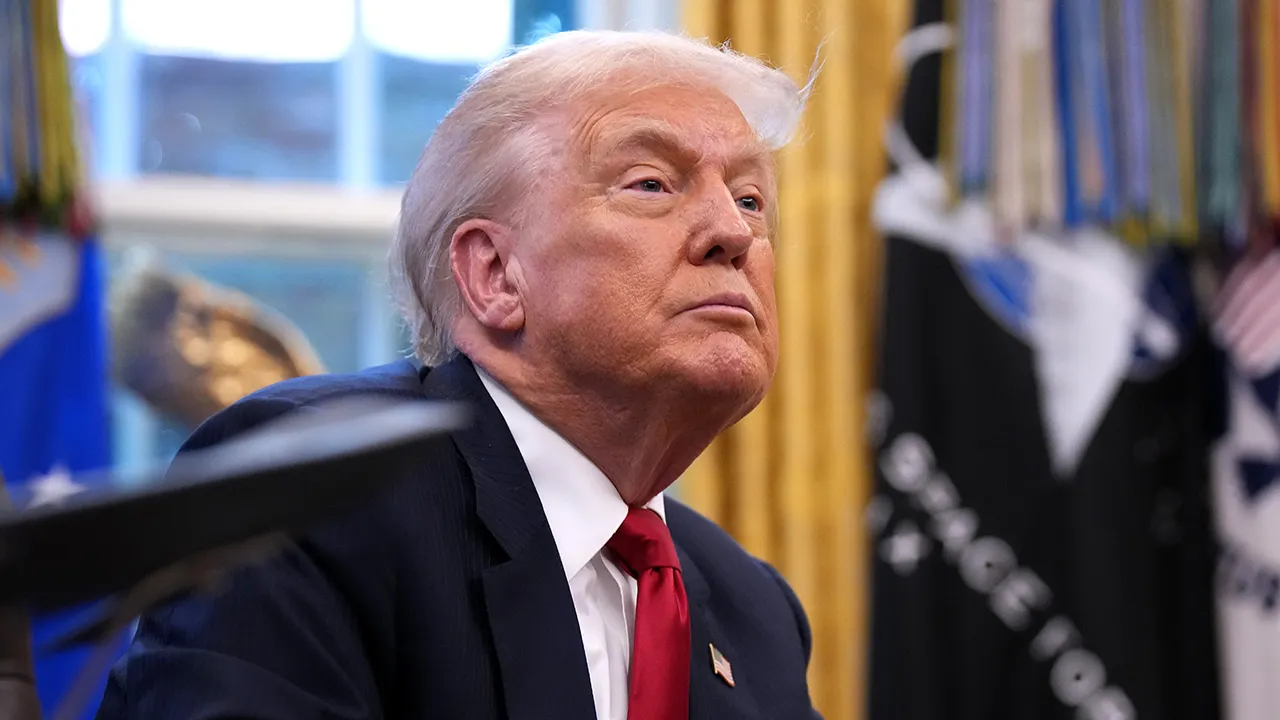
Trump Wades into Honduras Election Controversy, Warning Against Vote Tampering
In a dramatic move that has heightened tensions in Central American politics, President-elect Donald Trump has inserted himself into Honduras’ contested presidential race, issuing stern warnings about potential electoral manipulation. Taking to his social media platform Truth Social, Trump cautioned there would be “hell to pay” if Honduran election officials altered the results of the November 30th vote. His comments came at a critical moment as the National Electoral Council announced their preliminary rapid reporting system had concluded with only 57% of votes counted, showing a nail-bitingly close race between two conservative candidates—Nasry Asfura of the National Party and Salvador Nasralla of the Liberal Party. According to these partial results, Asfura maintains a razor-thin lead of just a few hundred votes, while Rixi Moncada, the democratic socialist LIBRE candidate, trails significantly behind.
“It is imperative that the Commission finish counting the Votes,” Trump declared, emphasizing that “Hundreds of thousands of Hondurans must have their Votes counted. Democracy must prevail!” His involvement comes at a particularly sensitive moment, as Honduran electoral officials have gone silent on when updated totals might be released, with parts of the council’s online system reportedly taken offline. This information blackout has only fueled speculation and tension in a country with a history of electoral disputes. What makes Trump’s intervention especially noteworthy is his prior endorsement of Asfura, whom he publicly described as “the only Honduran candidate his administration would work with,” adding that Asfura would fight “narco-communists” alongside the United States—language that clearly signals the geopolitical significance Trump places on this Central American nation.
The Honduran election has taken on additional complexity due to Trump’s recent announcement that he intends to pardon former Honduran President Juan Orlando Hernández, who is currently serving a 45-year sentence in the United States for drug trafficking offenses. This declaration has cast a long shadow over the electoral process, serving as a stark reminder of how U.S. politics can profoundly influence Honduran affairs. The pardon promise has become a controversial talking point in the campaign, with candidates forced to address how they might navigate relations with a Trump administration that appears willing to forgive even serious criminal convictions of former leaders if it serves broader strategic interests. This dynamic has further polarized an already deeply divided electorate trying to determine their country’s future direction.
Both leading candidates have carefully avoided declaring outright victory while nonetheless suggesting the final count will favor them. This cautious approach reflects the volatile nature of Honduran politics, where premature claims can ignite protests and unrest. The stakes of this election extend far beyond domestic policies—the outcome will determine whether Honduras pivots away from the current ruling LIBRE party, potentially realigning the nation’s international relationships, especially with the United States. Trump’s warning injects additional pressure into what observers describe as an already hostile post-election environment, raising questions about how his administration might respond to different electoral outcomes and whether his statements might inadvertently encourage supporters of his preferred candidate to reject results they don’t like.
The situation underscores the complex interplay between U.S. foreign policy and Central American governance. Honduras represents a crucial piece in regional security and migration management—two issues that figured prominently in Trump’s successful campaign. His administration clearly sees the leadership in Tegucigalpa as vital to addressing these concerns, particularly given Honduras’ role as a source country for migration to the United States and its strategic position in countering drug trafficking. The president-elect’s willingness to publicly intervene in another nation’s electoral process reflects his characteristic disregard for diplomatic norms but also signals the priority his incoming administration places on securing allies in the region who align with his policy objectives, regardless of how such intervention might be perceived internationally.
As Honduras awaits final election results, the country stands at a crossroads that will determine not only its domestic policies but also its place in the complex web of Central American politics and U.S. relations. Trump’s comments have effectively raised the stakes, potentially complicating the Electoral Council’s work and adding an international dimension to what was already a tense national moment. Whether his warnings will help safeguard democratic processes as he claims or instead undermine Honduras’ electoral sovereignty remains to be seen. What’s clear is that as Trump prepares to retake the White House in January, his administration’s approach to Latin America is already taking shape—one that appears to prioritize securing ideological allies and strategic partners, even if that means direct intervention in other nations’ democratic processes.